
🍿 Get our coverage on Spotify, and Youtube, too. Want to join the conversation? We’re on X
Quick takes:
Macro: The Knesset Finance Committee rolled over nearly ₪10 billion in unspent 2025 surpluses; The government approved a fast-tracked ₪4 billion fortification and urban renewal program targeting 10,000 housing units in the northern conflict zone.
Defense: Israeli defense exports shatter records, crossing $19 billion as 15 domestic defense-tech firms inaugurate the national pavilion at the ILA Berlin Air Show.
Corporate: The Israel Competition Authority is moving to officially declare Carmel Wineries a domestic monopoly.
Labor: Demographic data shows 57% of active IDF reservists are salaried professionals, triggering aggressive targeted hiring campaigns by major tech conglomerates.
Macro
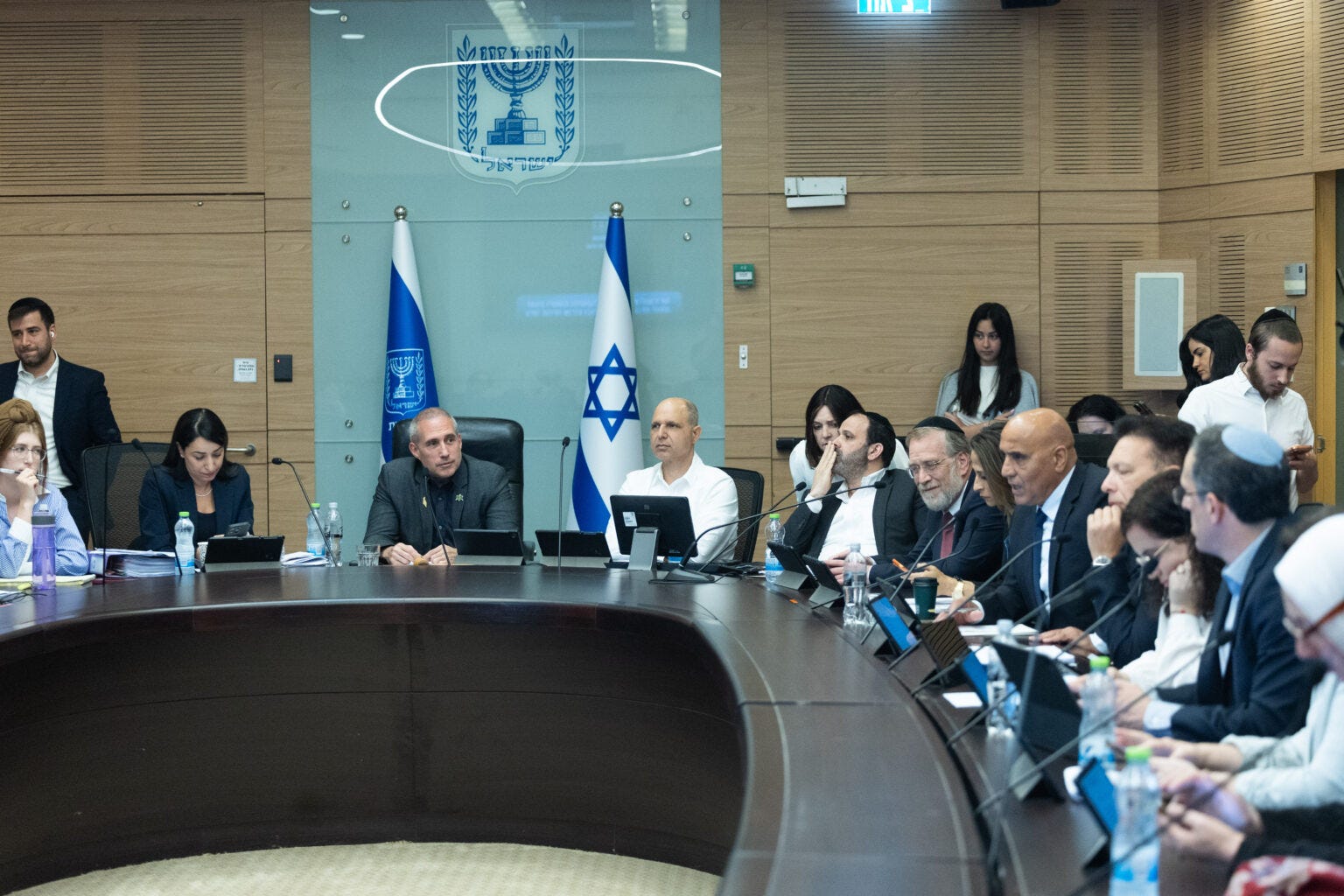
The Knesset Finance Committee has authorized a massive rollover of nearly ₪10 billion in unspent 2025 budget surpluses into the 2026 fiscal year. Concurrently, lawmakers approved an immediate ₪1.69 billion transfer directly to the Ministry of Defense to finance recent expenditures from Operation Roaring Lion. The unspent allocations include ₪1.2 billion from the Ministry of Health, ₪334 million from the Ministry of Agriculture, and hundreds of millions from civil emergency frameworks.
Our take: The rolling over of ₪10 billion in unallocated state capital is a glaring indictment of bureaucratic friction within Israel's domestic ministries. When state agencies fail to deploy capital during heightened economic and security demands, it points to deep-seated institutional resistance and administrative bottlenecks. Conversely, the rapid mid-year injection of ₪1.69 billion for military operations demonstrates absolute fiscal agility when motivated by defense mandates. For international observers, this proves the state baseline remains structurally liquid but continues to suffer from an implementation deficit in civilian portfolios.
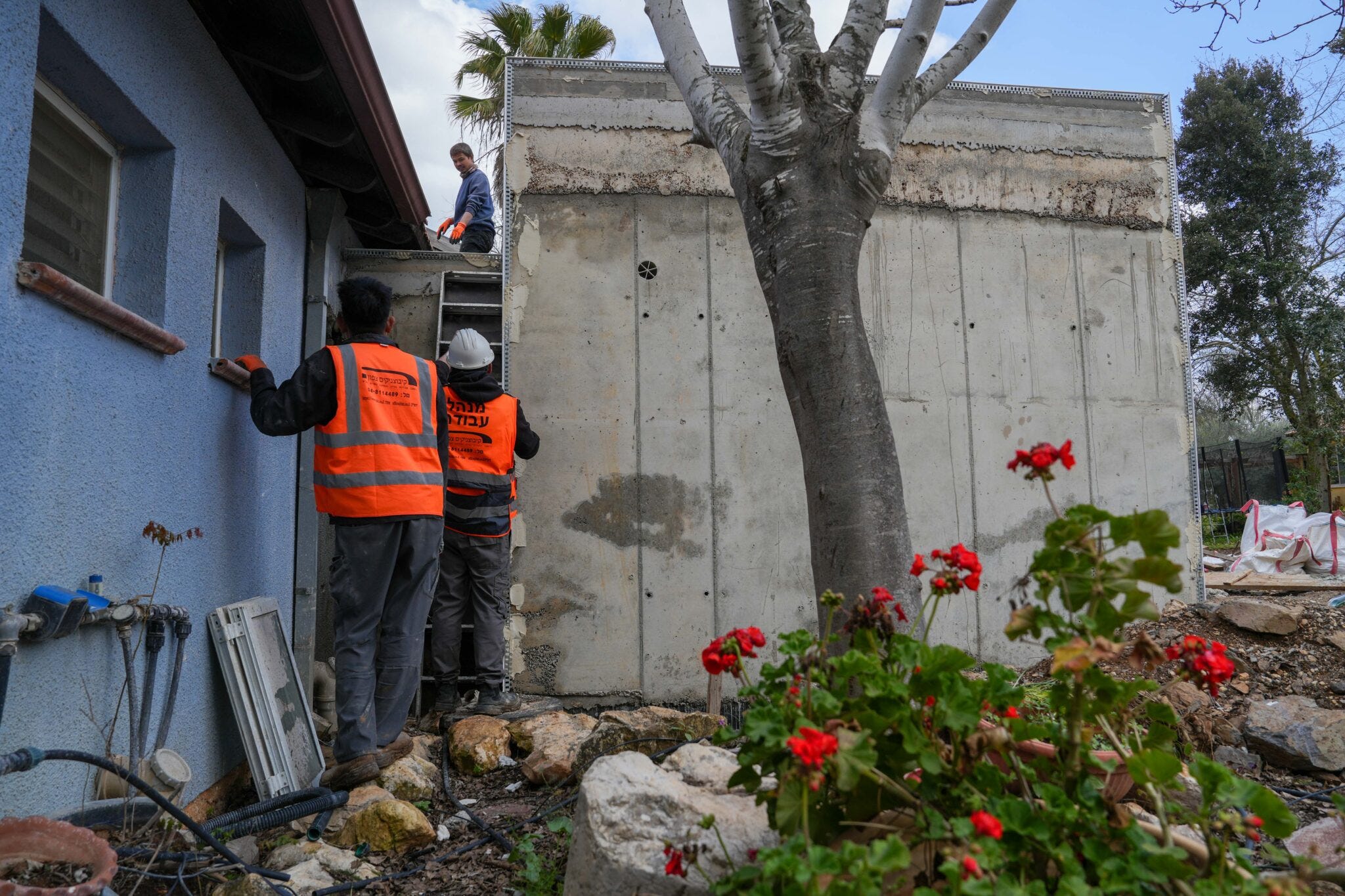
The government has approved a defense-oriented ₪4 billion urban renewal and fortification program for communities along the northern border. Led by the Ministry of Construction and Housing, the plan bypasses traditional municipal bottlenecks to accelerate the reinforcement and redevelopment of 10,000 residential units in high-risk zones, including Kiryat Shmona, Nahariya, and Ma'alot Tarshiha. The program dual-purposes security fortification with structural earthquake retrofitting, tapping into ₪6.16 billion earmarked for specialized closed-economy neighborhood development.
Our take: By wrapping this ₪4 billion housing injection in a national security mandate, the federal government is effectively using defense protocols as a loophole to smash through local zoning friction. Greenfield development in the core districts remains choked by planning delays, leaving the periphery as the primary zone for volume expansion. This fast-track mechanism avoids traditional regulatory layering, allowing state-backed entities to unlock real estate yield and build critical mass in regions long hindered by municipal inertia.
Defense

Riding the momentum of an unprecedented year, Israel's defense exports officially shattered historical records, crossing the $19 billion threshold in 2025. This morning, a delegation of 15 leading Israeli defense-tech firms inaugurated the national pavilion at the biennial ILA Berlin Air Show. Spearheaded by SIBAT (the International Defense Cooperation Directorate), the delegation is showcasing battle-tested, AI-driven C4I systems, advanced UAVs, and air defense platforms. Driven by massive procurement contracts like the Arrow 3 system sale to Germany, this exhibition serves as a critical strategic pivot, particularly following France’s recent politically motivated decision to ban Israeli firms from the Eurosatory exhibition in Paris.
Our take: The aggressive expansion into German procurement pipelines represents a masterclass in geopolitical arbitrage. By deepening their strategic footprint at ILA Berlin, domestic aerospace giants are effectively bypassing the friction of French protectionism and securing their position within the broader European defense market.
For international allocators, this signals that Israel’s defense-tech sector is monetizing battle-tested intellectual property. As European nations scramble to counter Iranian-origin drone technologies, Israeli defense contractors are perfectly positioned to capture long-term, high-margin yield across expanding NATO supply chains.
Corporate

The Israel Competition Authority has officially notified Carmel Wineries that it is considering declaring the company a monopoly in the supply of grape juice (Tirosh) and sacramental wine. Following a rigorous market review tied to Carmel's previous merger with Arza Winery, regulators confirmed that Carmel controls well over 50% of the market. Subject to a formal hearing, the designation will legally label Carmel a large supplier, imposing stringent prohibitions under the Food and Pharma Law against shelf-space manipulation, product tying, and retail price interference.
Our take: The antitrust offensive against Carmel Wineries targets the deep-seated structures that structurally inflate Israel's domestic cost of living. For decades, legacy food and beverage titans have used dominant market share for retail arbitrage, squeezing out mid-market competitors through predatory shelf agreements and exclusionary pricing tactics. Stripping Carmel of this leverage directly threatens its historic operating margin, signaling a zero-tolerance regulatory shift toward structural supply-side enforcement.
Labor
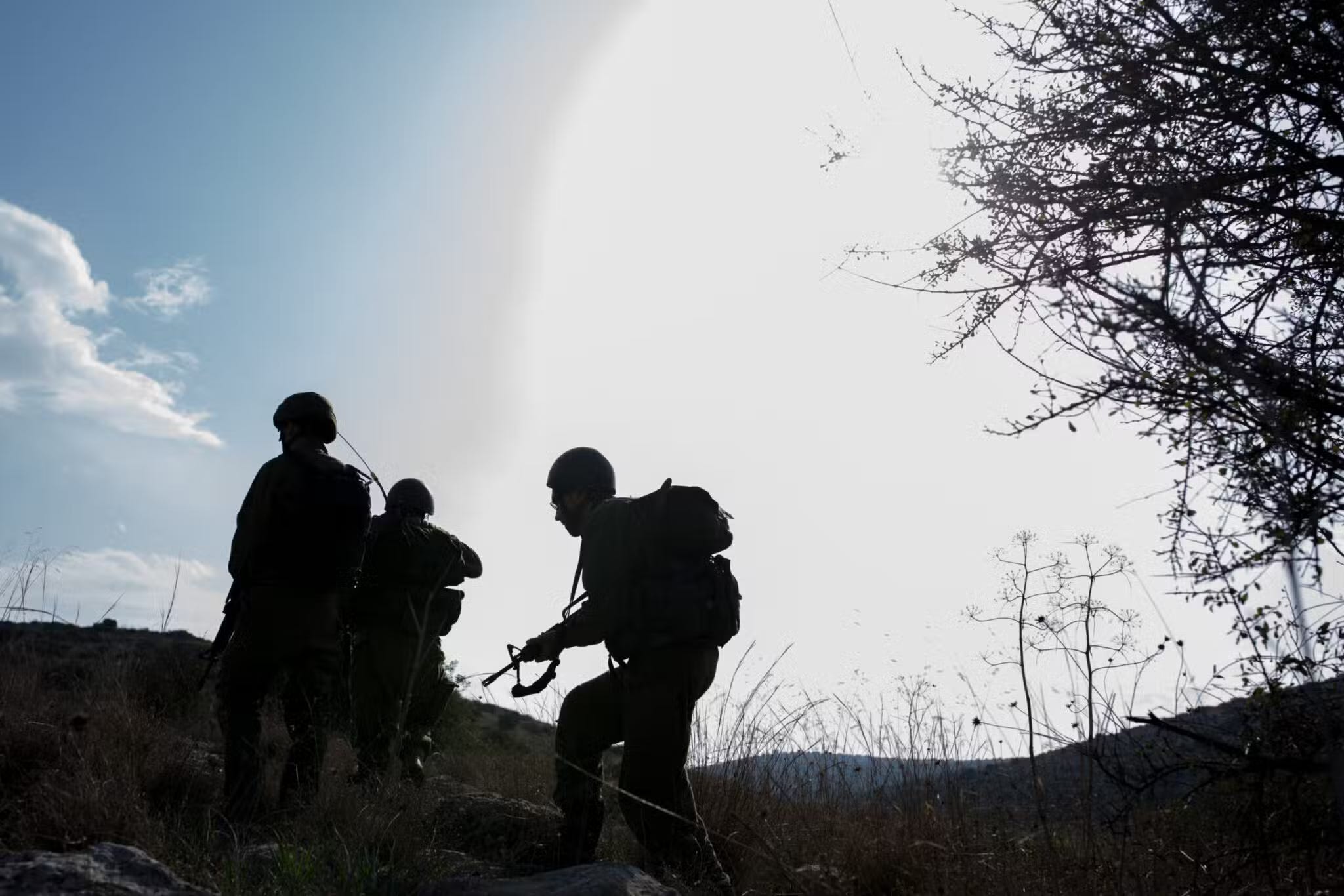
The National Insurance Institute released official demographic data showing that 57% of active IDF reservists are salaried professionals, with a median age of 29. Furthermore, 47% have clocked over 150 cumulative days of active duty since late 2023. To counter the employment disruptions facing these individuals, the Israeli Employment Service is launching a specialized corporate talent expo at Expo Tel Aviv, featuring prominent hiring mandates from global tech heavyweights including NVIDIA, Elbit Systems, Electra, Ness, Matrix, and Qualitest.
Our take: The domestic technology sector is executing a highly sophisticated human capital arbitrage. Rather than allowing prolonged military deployments to create long-term labor market friction, mega-cap technology firms are aggressively targeting combat-tested professionals. By tailoring recruitment directly to returning reservists, these enterprises bypass standard academic hiring bottlenecks to absorb highly resilient, stress-tested talent. This proactive deployment of private capital ensures that Israel's elite tech labor supply remains globally competitive, preserving institutional yield even during operational stress.
TASE snapshot for Wednesday, June 10, 2026
TA-35 Index (TASE:TA35): 🔴 -0.86%
TA-90 (TASE:TA90): 🔴 -2.21%
TA-125 (TASE:TA125): 🔴 -1.23%
If you enjoyed this update, forward it on.
TV10 Global | Israel for Investors
Bringing you the top stories from the Israeli business community, by Israel’s only business and finance network.
Share your thoughts with us via: global@tv10.co.il or the Newsroom WhatsApp: +972-55-994-5851.
📧 Subscribe to this newsletter! And follow the daily conversation on 𝕏 @tv10global.
Disclaimer: This brief is for informational purposes only and does not constitute investment advice. All data current as of publication date.