

🍿 Get the Daily on Spotify, too
Quick takes:
Macro: The Knesset advanced a massive ₪143 billion defense budget for 2026, while the Treasury unveiled a new compensation framework for private daycares impacted by wartime closures.
Real Estate: Mivne Real Estate projects up to ₪950 million in 2026 NOI; Africa Israel posts ₪195.5 million in net profit; Rotshtein Real Estate reports a 42% revenue drop in a complex 2025; Prashkovsky greenlights an urban renewal project in Yokneam.
Capital Markets: Delek Group reports a massive ₪3.3 billion annual net profit, institutional giants inject ₪100.5 million into Lahav LR via early option exercises, and Bet Shemesh Engines rides the global rearmament wave to record 2025 revenues of $314.1 million.
Macro
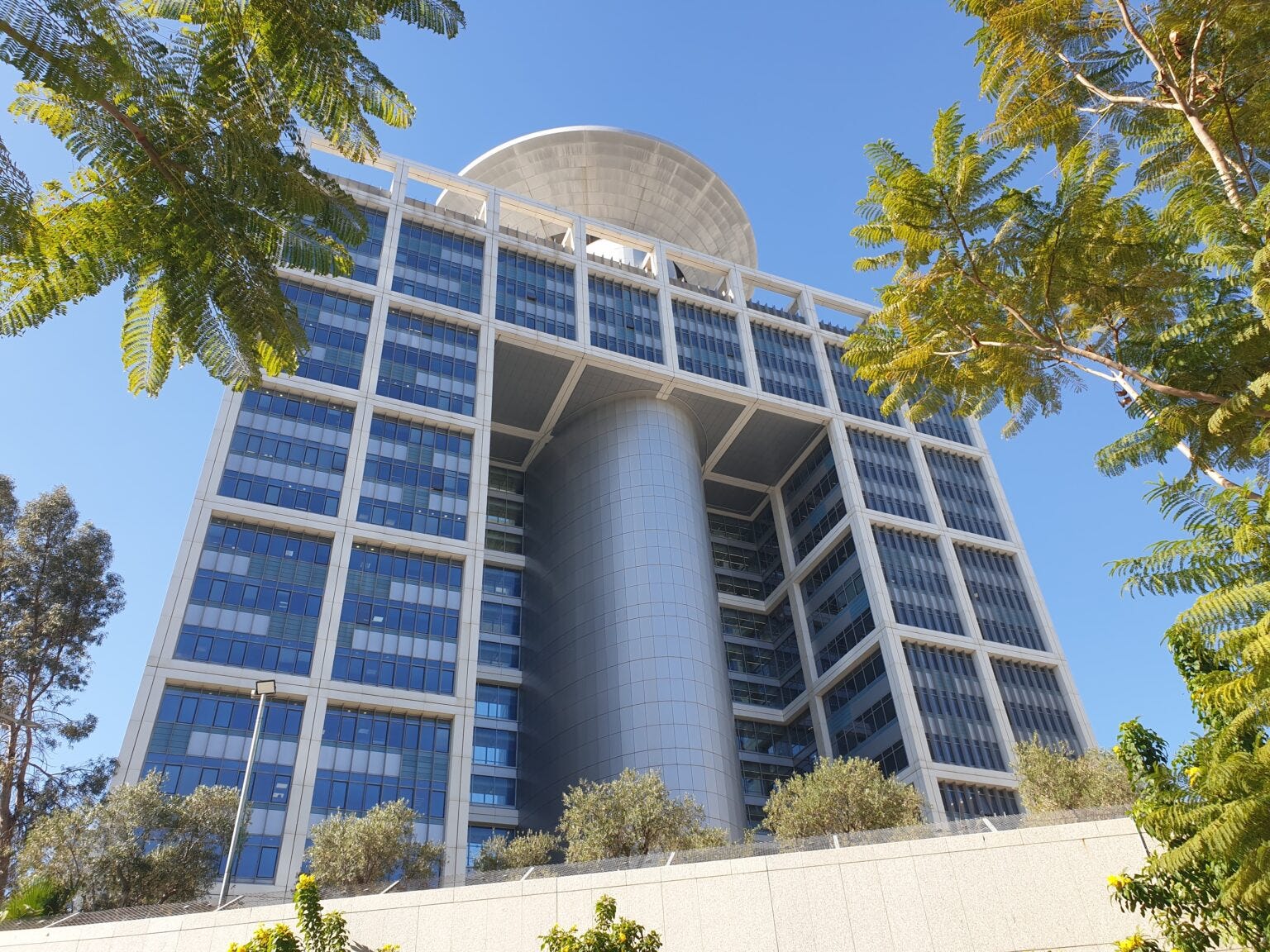
The Joint Committee for the Defense Budget unanimously approved the 2026 defense budget framework, allocating ₪143 billion from the state budget, which covers ongoing costs from Operation Roaring Lion. An additional ₪22 billion in contingent spending was approved, tied to US aid and other revenues, alongside an ₪82.2 billion authorization for future multi-year commitments. Notably, the Rehabilitation Department budget will reach ₪10 billion this year to address the influx of wounded veterans.
Concurrently, the Treasury published a compensation outline for private kindergartens and daycares closed during the war. The framework offers three tracks, including revenue-drop compensation, up to ₪15,000 monthly for small operators, or subsidies for placing staff on unpaid leave (Halat), designed to allow operators to refund parents for lost days.

Our take: The sheer scale of the ₪143 billion defense allocation, coupled with ongoing civilian compensation packages and a planned ₪350 billion multi-year force buildup, underscores the severe and enduring fiscal strain on the state. Investors should watch for further deficit expansion and potential tax hikes as the government juggles immediate war costs with long-term infrastructure and rehabilitation needs.
Real Estate
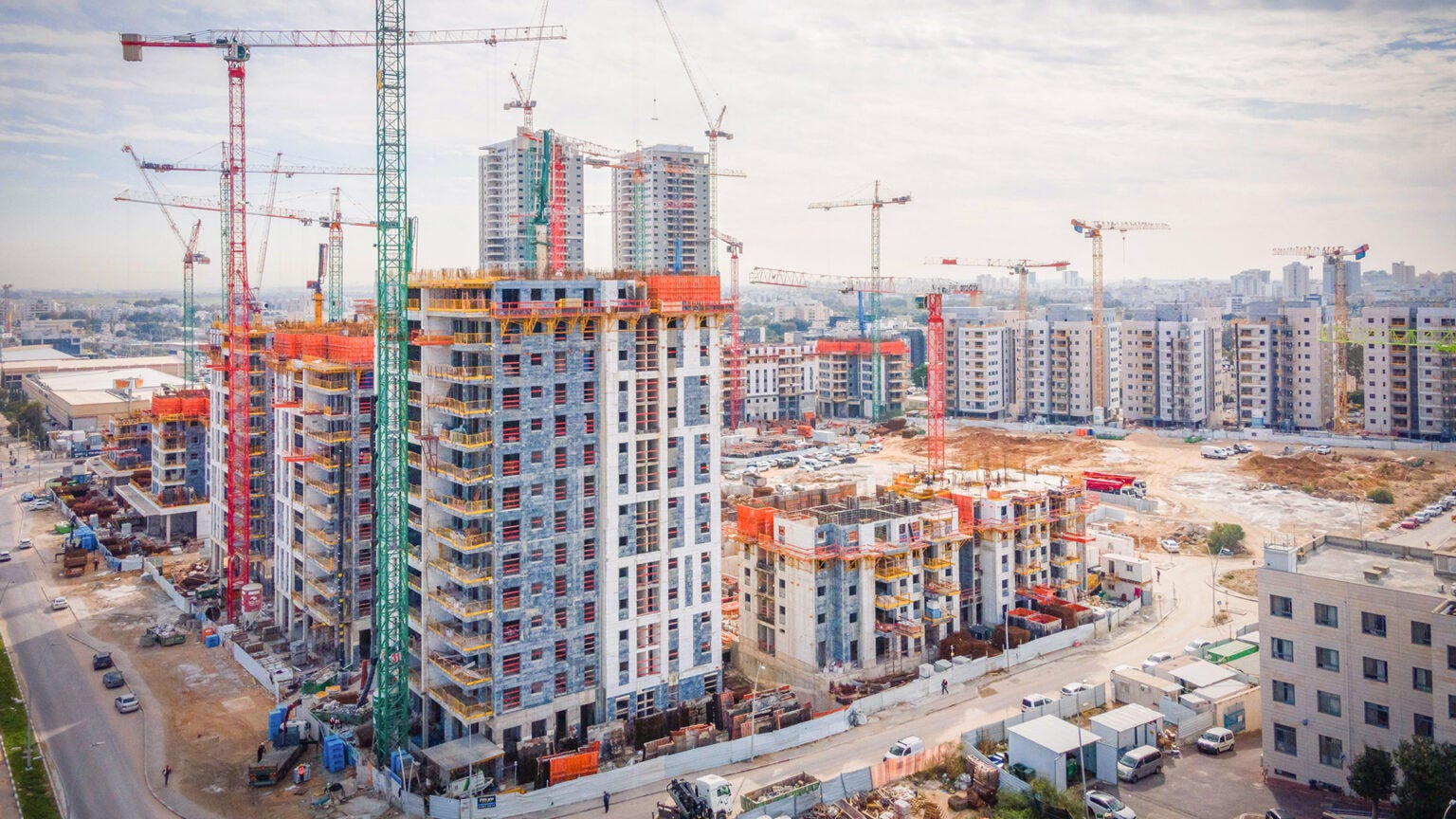
Africa Israel Residences (TASE:AFRE) closed 2025 with ₪195.5 million in net profit (down slightly from ₪217.9 million YoY) on ₪925.4 million in revenue. Despite macro headwinds, the company boasts exceptional forward visibility, having already sold 72% of its apartments slated for 2027 occupancy. The firm maintains a gross profit margin of 26% and declared an ₪18 million Q4 dividend, bringing its total 2025 payout to ₪63 million.
Mivne Real Estate (TASE:MVNE) reported a 26% jump in 2025 net profit to ₪693 million, heavily driven by the revaluation of its flagship ‘Mivne Hasolelim’ mega-project in Tel Aviv. Same-property NOI in Israel climbed 2.5% to ₪811 million, with AFFO reaching ₪613 million. The company issued strong 2026 guidance, projecting NOI between ₪930-950 million as ‘Mivne Hasolelim’ begins its commercial and residential population phase. Mivne also highlighted a strategic agreement with Enlight Renewable Energy to deploy energy storage across its properties, a move expected to organically boost annual NOI by tens of millions of shekels with minimal CapEx.
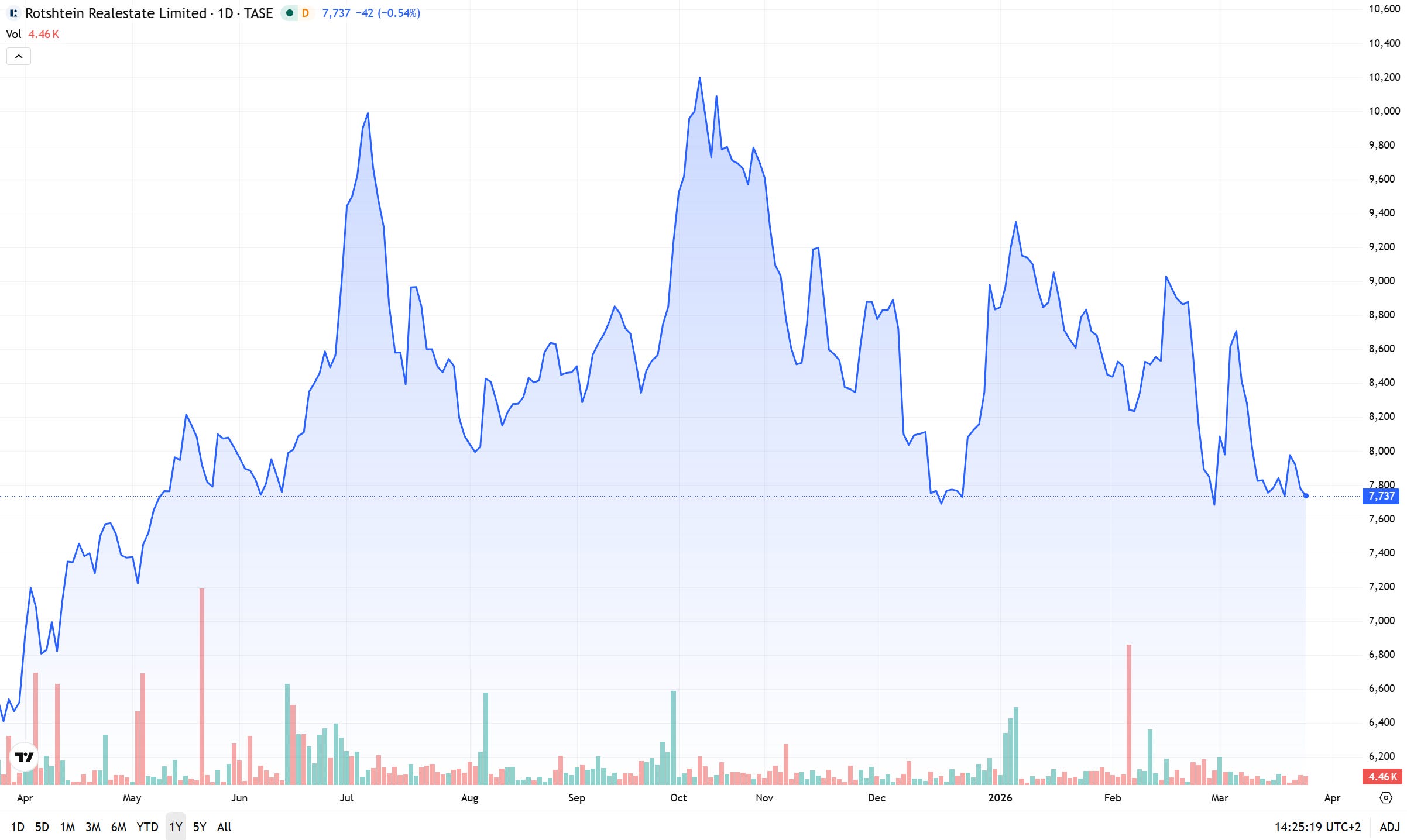
Rotshtein Real Estate (TASE:ROTS) reported a complex 2025, with annual revenues plunging 42% to ₪450 million and gross profit dropping 53% to ₪97 million. The sharp top-line contraction was largely driven by the de-consolidation of ‘Anshei Ha’ir’ (which transitioned from a subsidiary to an affiliate) and the completion of older projects. However, annual net profit soared 106% to ₪207 million, artificially inflated by ₪246 million in one-time capital gains from realizing investments. Q4 results were particularly rough, with revenue crashing 76% to ₪63 million and net profit plummeting 86% to a mere ₪2.67 million. Despite the weak financials on paper, the company successfully sold 354 housing units over the year for ₪915 million and distributed a ₪48 million dividend.
(Disclosure: Rotshtein Real Estate is affiliated with the shareholders of TV10 Global).
Further north, Prashkovsky Group (TASE:PRSK) secured 83% tenant approval to launch the ‘12 Alonim’ urban renewal project in Yokneam. The initiative will demolish 18 aging apartments to build 80 new units across three 10-story towers. The project is expected to generate ₪137 million in revenue and roughly ₪26 million in gross profit.
Our take: In an environment defined by elevated borrowing costs and severe supply-side labor constraints, the market is disproportionately rewarding developers with deep forward visibility and creative yield generation. Africa Israel’s massive 2027 pre-sale backlog and Mivne’s aggressive NOI guidance prove that institutional-grade scale remains highly defensive.
Furthermore, Mivne’s cap-light energy storage deal with Enlight is a standout strategic pivot, signaling a new frontier where real estate titans monetize their physical footprints to organically expand margins without heavy capital expenditure.
Conversely, Rotshtein’s jarring optical disconnect, crashing accounting revenues paired with a massive spike in net profit and robust physical sales, underscores the necessity for investors to look past headline IFRS noise and focus on underlying cash flows and project life-cycles.
Meanwhile, Prashkovsky’s push into Yokneam highlights a critical demographic and security shift: the acute, inelastic demand for modern safe rooms (Mamads) is finally making urban renewal economically viable far beyond the traditional Gush Dan core. Ultimately, the winners in 2026 will be those leveraging scale, geographically diversifying their development pipelines, and turning passive concrete into active, yielding infrastructure.
Capital Markets

Delek Group (TASE:DLEKG) reported a blowout 2025, with annual net profit surging to ₪3.3 billion from ₪1.4 billion in 2024. The massive jump was heavily driven by the revaluation of its Ithaca Energy asset in the North Sea following a loss of control, alongside a 48% leap in Ithaca’s daily production. Q4 revenues hit ₪4.5 billion, pushing the annual top line to ₪16 billion. The company announced a ₪250 million dividend and a ₪100 million buyback, reflecting an 8% dividend yield.
In a major institutional play, Menora (TASE:MNHD), More Investment House (TASE:MRIN), Schestowitz, and the Hatzavim hedge fund are injecting ₪100.5 million into Lahav LR (TASE:LAHAV). The bodies are exercising their options early at a discounted ₪10.05 per share. In exchange, they will receive new options at ₪12 per share, which, if exercised, would inject an additional ₪120 million.
Bet Shemesh Engines (TASE:BSEN), controlled by FIMI Opportunity Funds, reported a record-breaking 2025. Annual revenues surged 21.3% to a peak of $314.1 million, driving a 19.5% jump in net profit to $43.5 million. The momentum accelerated in the fourth quarter, with Q4 net profit spiking 52.5% to $15.4 million, even after absorbing a $7 million revenue hit from a localized factory fire. The company’s EBITDA grew 18.7% to $70.8 million for the year.
TASE snapshot for Wednesday, March 25, 2026
TA-35 Index (TASE:TA35): 🔴 +0.97%
TA-90 (TASE:TA90): 🔴 +0.17%
TA-125 (TASE:TA125): 🔴 +0.84%
If you enjoyed this update, forward it on.
TV10 Global | Israel for Investors
Bringing you the top stories from the Israeli business community, by Israel’s only business and finance network.
Share your thoughts with us via: global@tv10.co.il or the Newsroom WhatsApp: +972-55-994-5851.
📧 Subscribe to this newsletter! And follow the daily conversation on 𝕏 @tv10global.
Pings available via WhatsApp Channel.
Disclaimer: This brief is for informational purposes only and does not constitute investment advice. All data current as of publication date.