

🍿 Get our coverage on Spotify, and Youtube, too. Want to join the conversation? We’re on X
Quick takes:
Macro & Policy: The Knesset has greenlit immediate 80% liquidity advances for businesses impacted by Operation Roaring Lion; The cabinet approved a ₪1.075 billion infrastructure allocation for Judea and Samaria roadways.
Real Estate & Land Policy: Yehuda Eliyahu has been appointed Director General of the Israel Land Authority.
Energy & Infrastructure: EDF Renewables reached financial close on Israel's largest solar facility in Dimona.
Macro & Policy
The Israeli government is executing a dual-pronged fiscal strategy this week, addressing immediate wartime economic damage while aggressively funding long-term regional infrastructure.
To mitigate the fallout from Operation Roaring Lion, the Knesset has finalized a compensation framework that allows impacted businesses to immediately draw up to 80% of their estimated compensation. This digital cash-advance system, which opens today, is designed to inject emergency oxygen into the SME sector. Notably, the framework extends to NGOs, backed by a dedicated ₪40 million relief fund.
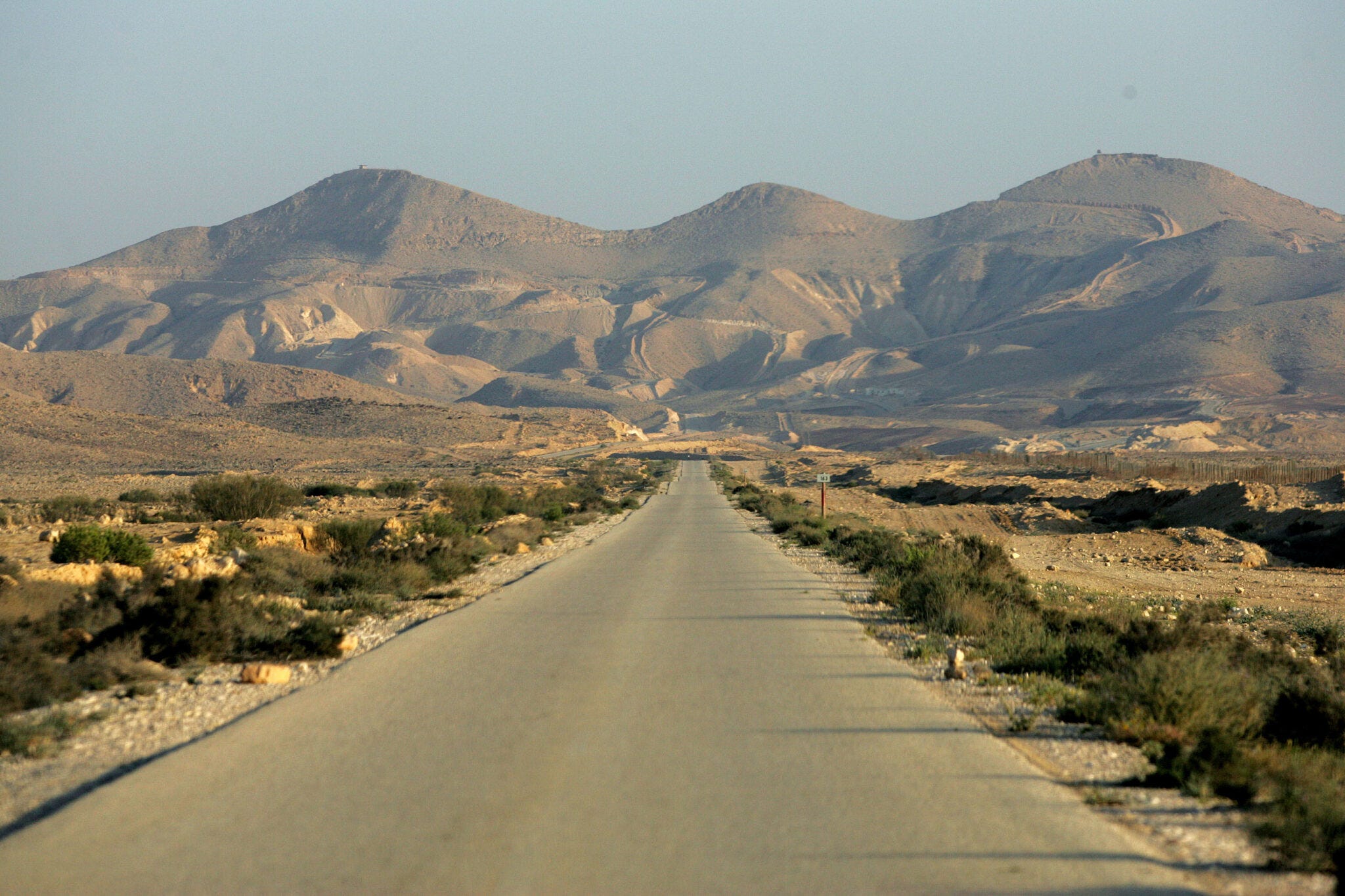
Concurrently, the cabinet approved a massive ₪1.075 billion capital expenditure (CapEx) budget to develop transport infrastructure and access roads across Judea and Samaria between 2026 and 2028. Driven by the Finance and Transportation ministries, an initial ₪3 million has been unlocked for immediate planning. The stated objective is to create seamless, secure connectivity between newly established communities and national arterial highways, catering to rapid demographic growth in the region.
Our take: These twin fiscal maneuvers illustrate the Treasury's complex balancing act. By front-loading 80% of wartime compensation, the state is actively absorbing the short-term economic friction caused by localized conflict, attempting to prevent a structural balance sheet recession among SMEs.
However, the ₪1.075 billion injection into Judea and Samaria represents a highly ideological allocation of sovereign capital. For foreign institutional investors, this CapEx signals a definitive entrenchment of infrastructure outside the Green Line. While domestic engineering and construction firms stand to capture significant yield from these tenders, the move is likely to face severe institutional resistance from international regulatory bodies, potentially impacting sovereign risk premiums.
Real Estate
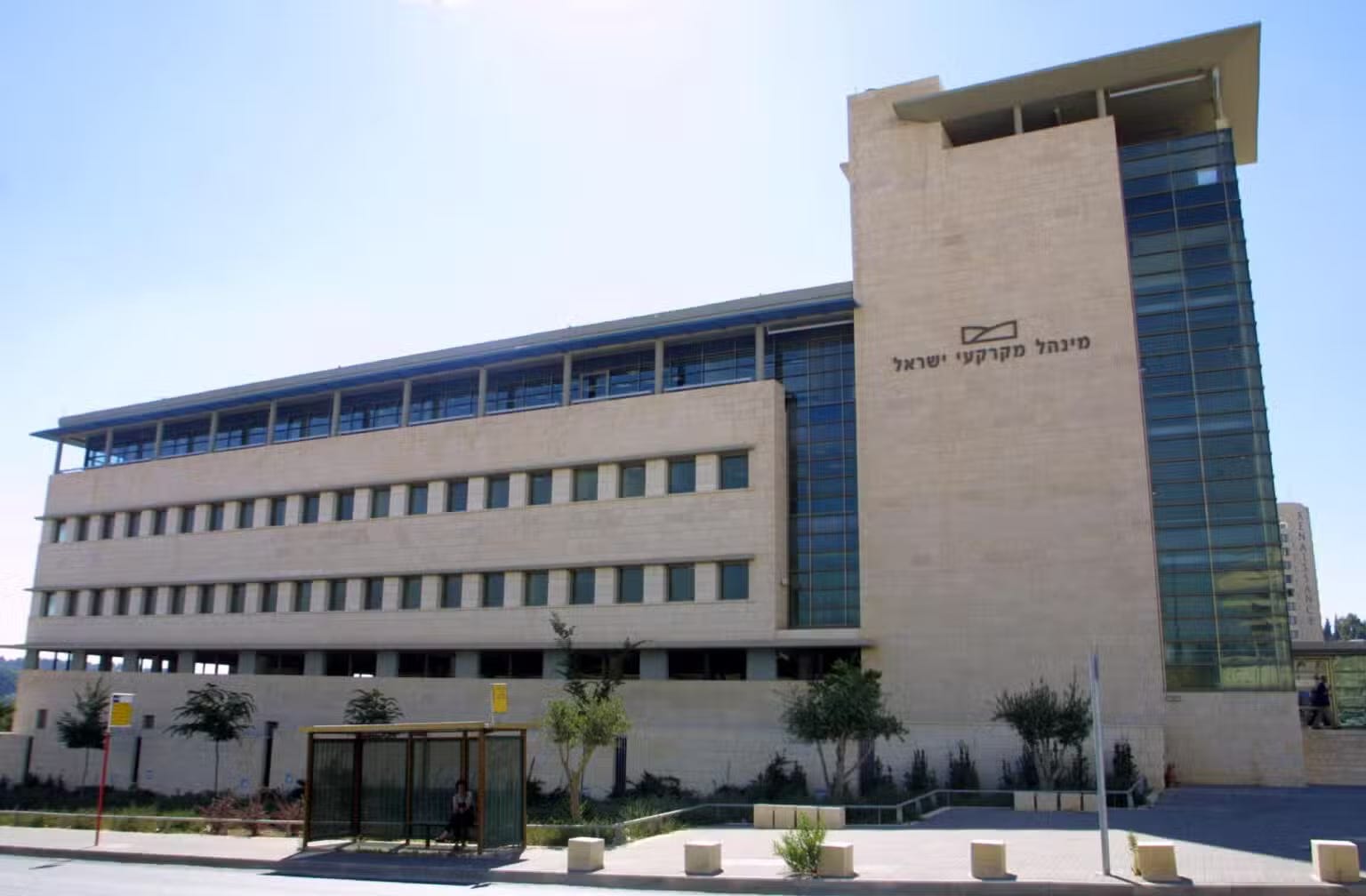
In a move that could reshape the domestic housing market, Yehuda Eliyahu has been officially appointed as the Director General of the Israel Land Authority (ILA), replacing Yanki Quint. Backed by the Prime Minister and the Finance and Housing ministries, Eliyahu transitions from his role heading the Defense Ministry’s Settlement Directorate.
We are at a highly sensitive juncture for the domestic real estate sector, which is currently grappling with severe supply-side bottlenecks, municipal-state disputes, and soaring residential rents.
Eliyahu’s five-year mandate carries an explicit directive: aggressively slash bureaucratic red tape and implement a structural shift in state land allocation that prioritizes IDF combat veterans and reserve soldiers.
Our take: The Israel Land Authority controls approximately 93% of the state's territory - the raw material of the domestic real estate sector. The structural constraint driving Israeli housing prices is not a lack of capital, but the chronic friction in the ILA's land release and tender processes. Eliyahu’s appointment introduces a fascinating new variable: the explicit intertwining of national defense service with economic yield. For institutional developers, the critical metric to watch is whether Eliyahu can actually streamline the notoriously sluggish zoning pipeline. If he successfully accelerates land marketing, it could cool the overheated market; if the pivot toward reservist prioritization merely adds another layer of compliance, supply will remain choked.
Energy
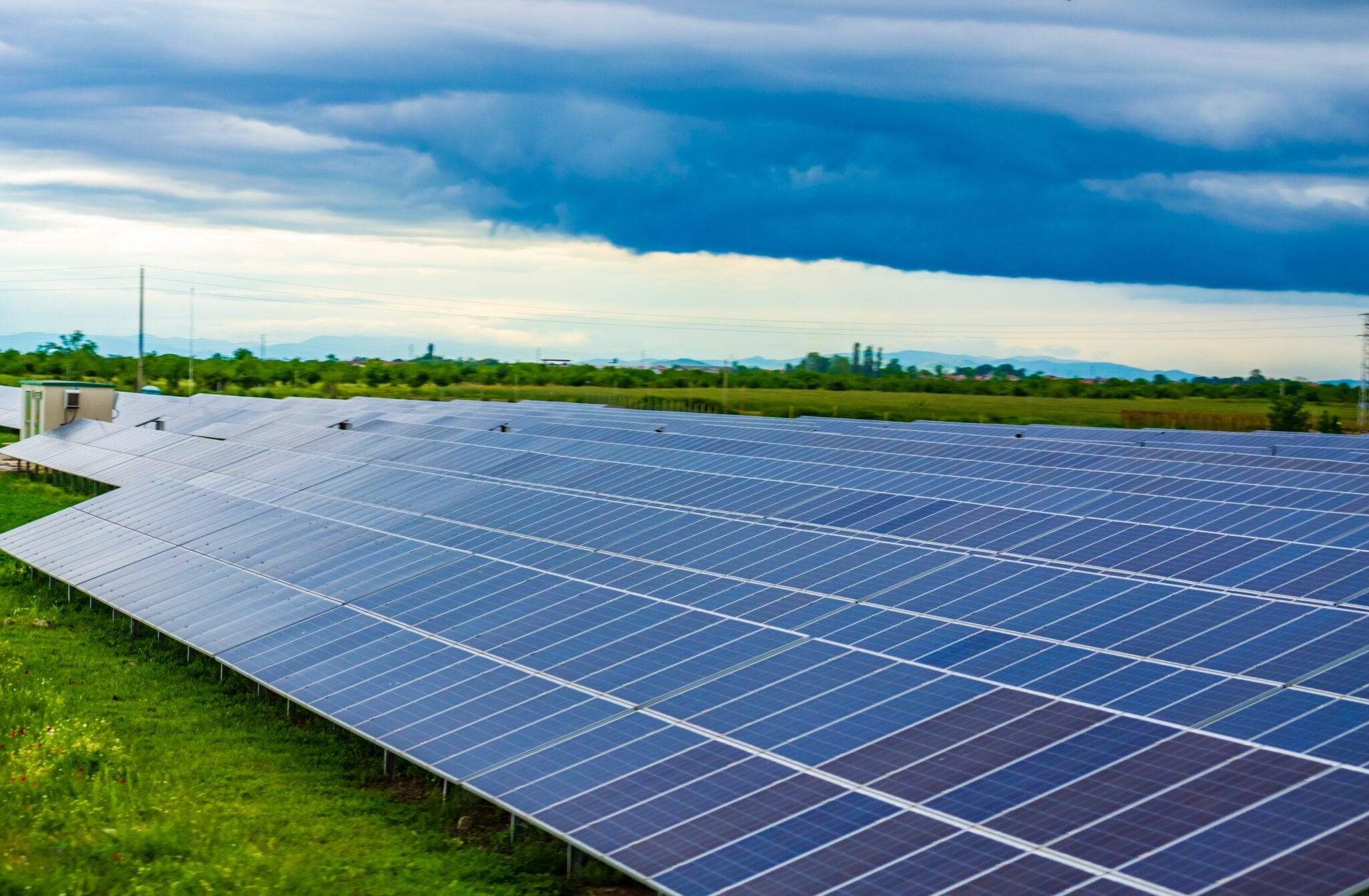
Israel’s energy sector achieved a significant milestone with the financial close of the Dimona solar power plant, slated to be the largest in the country. Spanning 3,000 dunams, the facility will boast an installed capacity of 265 megawatts (MW). French multinational EDF Renewables will spearhead the project under a Public-Private Partnership (PPP) model, managing the design, financing, and operation for 25 years before transferring the asset back to the state.
The most striking element of the tender is the unprecedentedly low tariff secured by EDF: less than 6.5 agorot per kilowatt-hour (kWh). Construction is slated to take roughly two years. The Dimona plant joins the sprawling Ashalim solar complex, collectively pushing the Negev region’s renewable output past 800 MW as the government chases a 30% renewable electricity target by 2030.
Our take: This financial close is a watershed moment for energy arbitrage in the Eastern Mediterranean. A tariff of sub-6.5 agorot per kWh aggressively undercuts the baseline cost of traditional fossil-fuel generation, proving that utility-scale photovoltaics in the Negev now offer superior, unsubsidized economic logic. More importantly, the execution of a 25-year PPP by a tier-one foreign multinational like EDF signals profound confidence in Israeli infrastructure. It demonstrates that when the regulatory framework is clear and the off-take agreements are sovereign-backed, international capital is more than willing to look past regional geopolitical noise in pursuit of guaranteed, long-term yield.
TASE snapshot for Monday, May 4, 2026
TA-35 Index (TASE:TA35): 🟢 +0.48%
TA-90 (TASE:TA90): 🟢 +2.28%
TA-125 (TASE:TA125): 🟢 +0.91%
If you enjoyed this update, forward it on.
TV10 Global | Israel for Investors
Bringing you the top stories from the Israeli business community, by Israel’s only business and finance network.
Share your thoughts with us via: global@tv10.co.il or the Newsroom WhatsApp: +972-55-994-5851.
📧 Subscribe to this newsletter! And follow the daily conversation on 𝕏 @tv10global.
Pings available via WhatsApp Channel.
Disclaimer: This brief is for informational purposes only and does not constitute investment advice. All data current as of publication date.