

Hadas Greenberg February 2, 2026
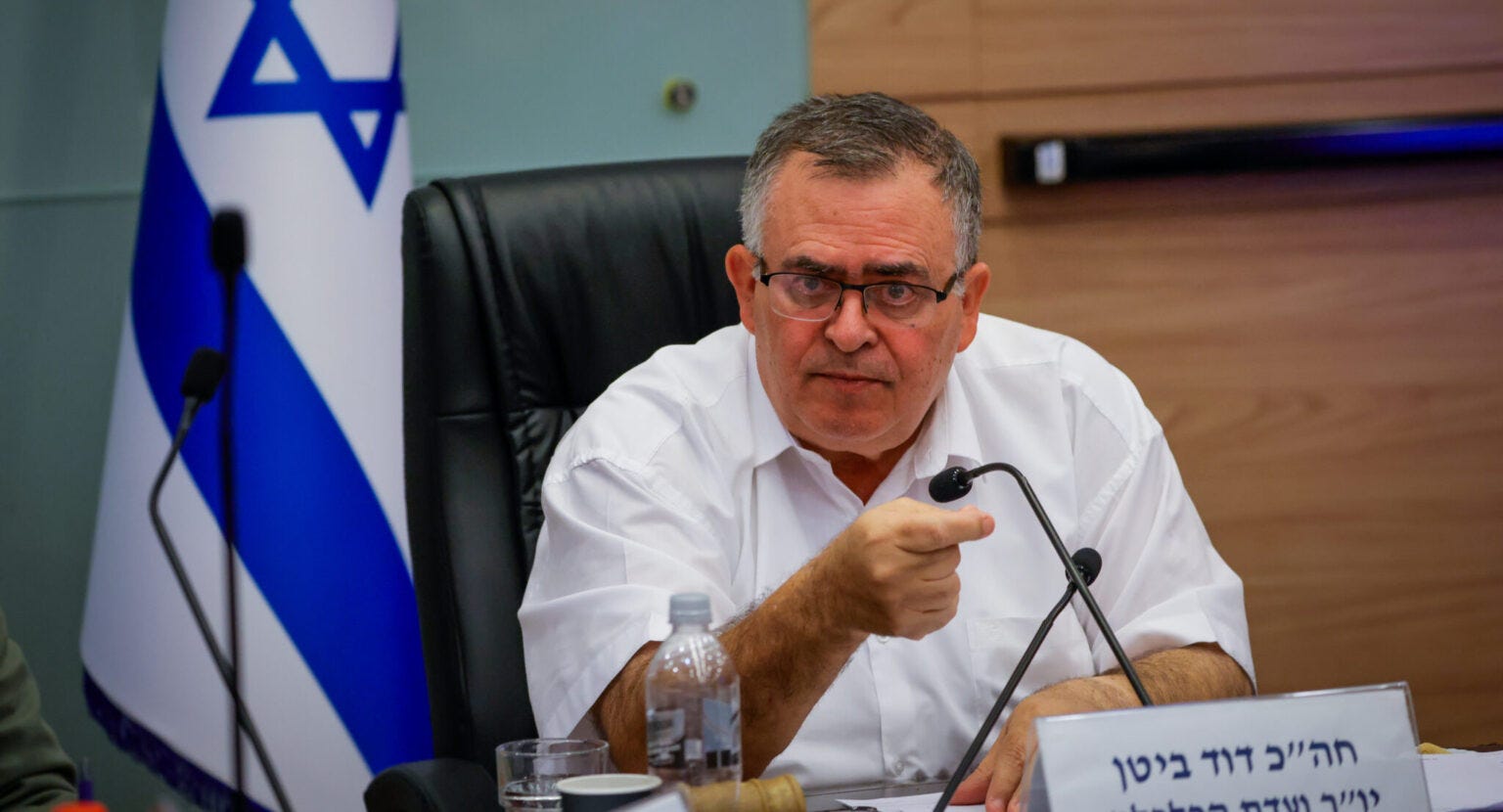
The Knesset Economic Affairs Committee, chaired by MK David Bitan, discussed an urgent proposal today (Monday) regarding the lack of parliamentary oversight on banking service prices and criticism of the planned fee reform. The proposal was submitted by MK Vladimir Beliak and a group of Knesset members. Chairman Bitan noted that the committee maintains ongoing parliamentary oversight of the banking sector and that he is responsive to requests from Knesset members on the matter.
MK Beliak stated that his proposal was not a criticism of the committee, but rather a reflection of the fact that Knesset members are not sufficiently engaged with issues related to financial services pricing, noting that the financial system plays a significant role in the cost of living. He requested a discussion on the reform currently being formulated by the Bank of Israel regarding fees - which would include a flat payment of 10 shekels for 100 common current account operations - and asked for details in order to formulate his position.
He further warned that those currently receiving discounts or exemptions might be harmed by the situation. MK Simon Davidson added that 31% of accounts are currently completely exempt from fees, and the reform could potentially stifle competition.
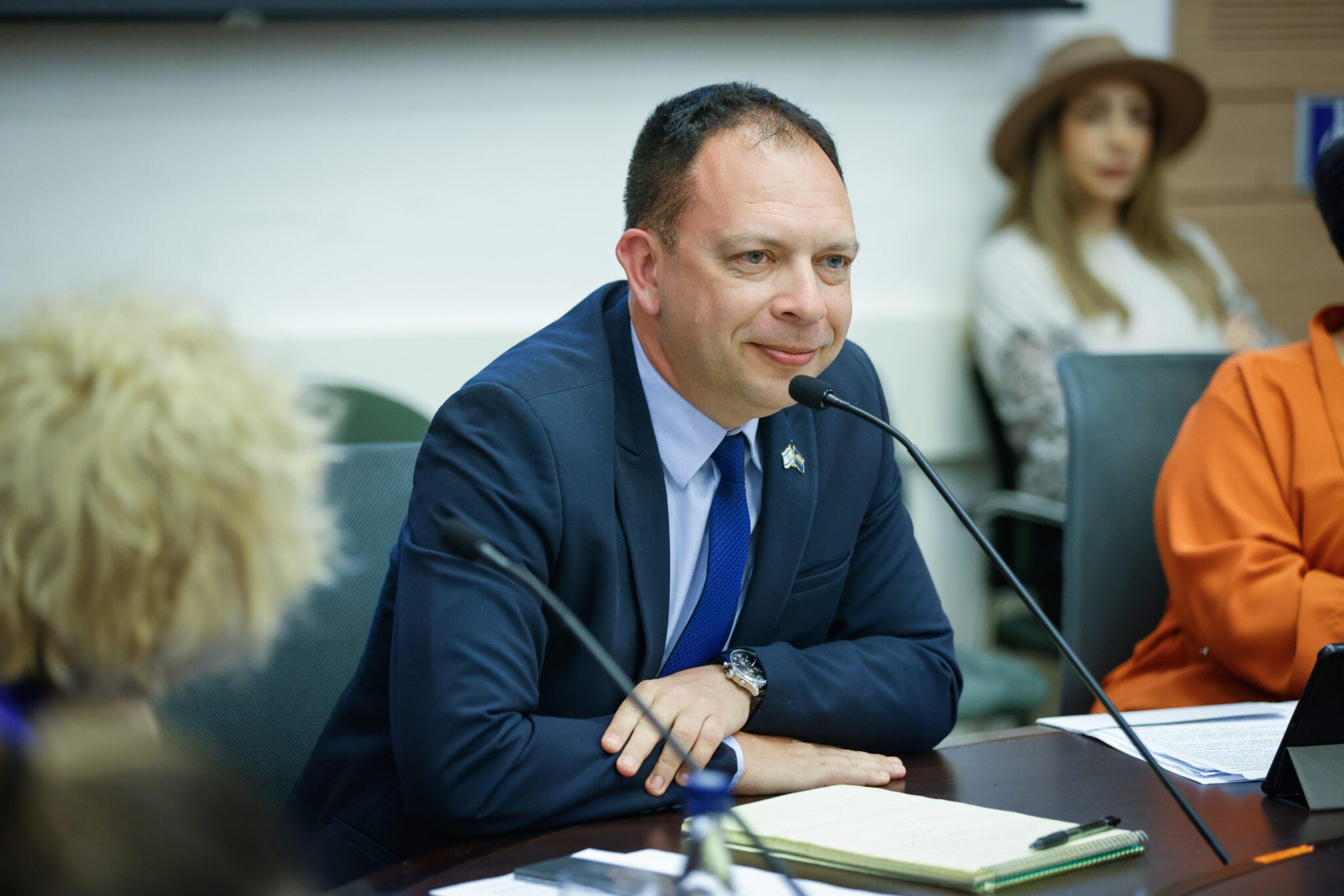
MK Mickey Levy urged the Bank of Israel to conclude discussions on the reform and launch it, emphasizing that banks have earned over 30 billion shekels in recent years, calling these “excessive profits.” MK Meir Cohen added that the Israeli public is the “cash cow” of the banks in Israel and that a line must be drawn.
Lobby 99 representative, Ella Tamir Shlomo, stated that the planned reform will be enacted through banking rules approved by the Bank of Israel without requiring the Economic Affairs Committee’s approval, constituting a lack of parliamentary oversight. She added that the banks continue to raise fees and interest rates with one hand, while moving customers to digital activity with the other without rolling the cost savings over to the public.
According to her, the proposal to set a basket of 100 operations for up to 10 shekels is a poor solution, noting that in countries like France, England, and Germany, the regulator has established a full exemption from basic current account fees.
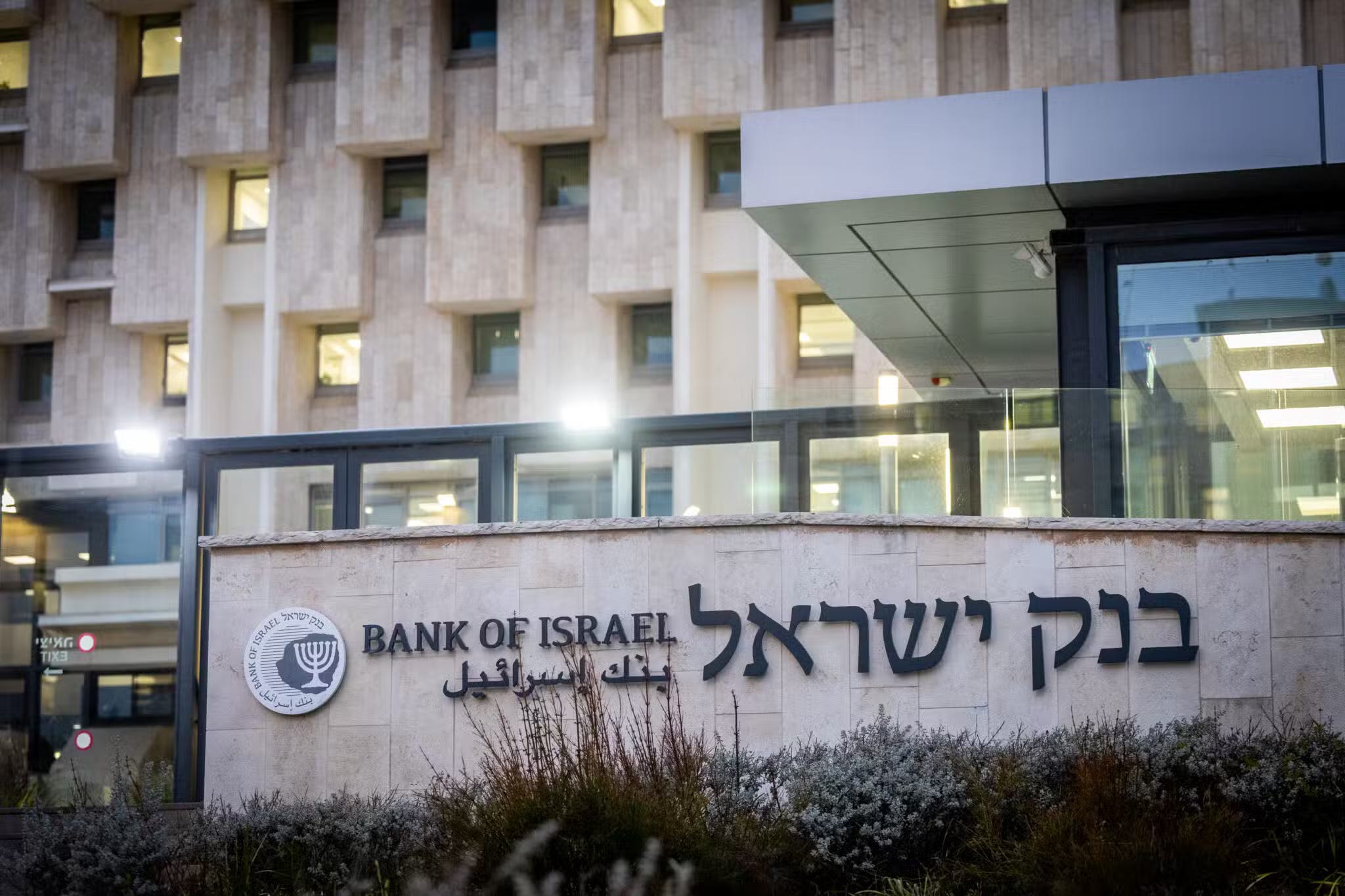
Granit Ofek, Manager of the Regulation Unit at the Banking Supervision Department, noted that a service called the ‘Basic Track’ already exists (established in 2014), which includes a track at a supervised maximum price. She explained that the new reform allows for more actions and services at the same price. Furthermore, customers will not need to join actively, and naturally, banks can offer the services at a lower price. She also noted that one bank currently offers a full exemption on current account fees, and in the Banking Supervision Department’s view, this is a factor that generates competition.
Ofek further explained that the main beneficiaries of the reform will be small businesses and households currently paying more than 10 shekels because they are unaware of the track service. Additionally, non-digital customers who operate via a branch teller or call center will see their situation improve, as these are currently more expensive services compared to digital channels.
According to her, there are approximately 250,000 small business accounts currently paying an average of 18 shekels per month. Conversely, about 20% of customers currently pay 6-7 shekels a month due to low activity; they will have to decide whether to increase activity or close the account. Answering MKs regarding the impact on bank revenues, Ofek noted that the expected decrease in revenue ranges from tens of millions of shekels up to approximately 100-200 million shekels for the entire banking system.
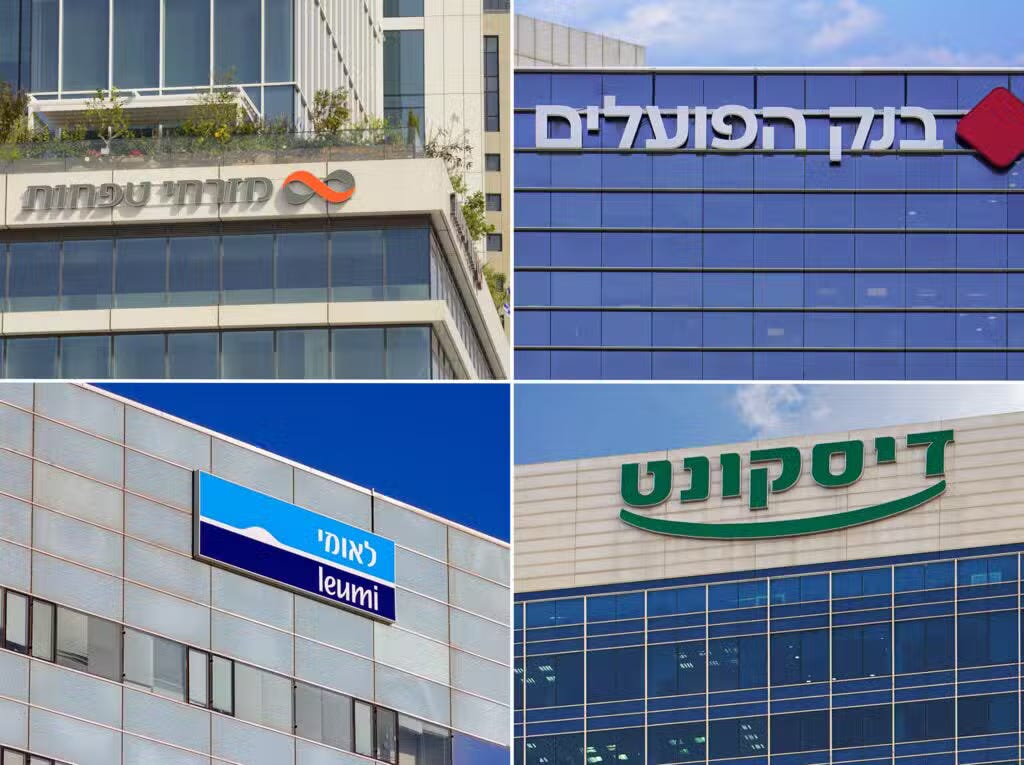
Gali Casperi, Manager of the Research Unit at the Association of Banks in Israel, stated that the Association opposes a reform that harms revenues and believes the proposed price intervention is too aggressive. She added that one must look at the entire basket of banking services, noting that while a certain group in England enjoys fee exemptions, there is also a 39% interest rate on overdrafts.
Chairman Bitan summarized the discussion, stating that the reform is good overall. He asked the Bank of Israel to reconsider the change regarding those managing accounts with little activity who currently pay 6-7 shekels a month. He further requested that the Banking Supervision Department conduct a review to see if the reform achieves its goal, and if corrections are needed, to execute them quickly rather than years later. He stated that the Committee will also continue to monitor the situation.