
🍿 Get our coverage on Spotify, and Youtube, too. Want to join the conversation? We’re on X
Quick takes:
Aerospace & Defense: The Israeli government approves the full structural integration of subsidiary Elta Systems into Israel Aerospace Industries (IAI).
Fi: White-collar fraud investigators freeze over ₪180M in assets belonging to Menorah Holdings.
Energy: Leumi Partners acquires a 20% equity stake in Delek Israel for ₪213M.
Aerospace & Defense
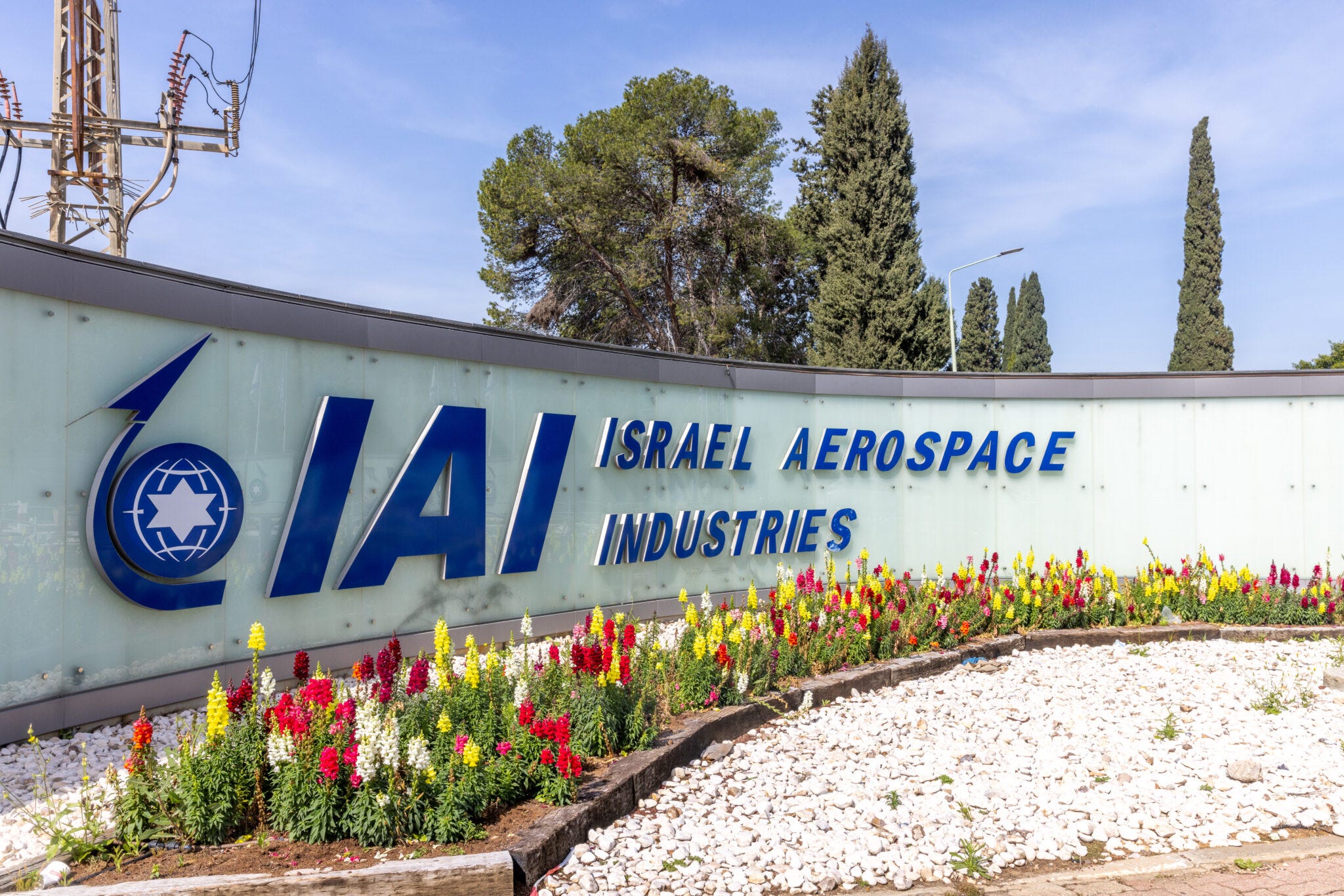
The Israeli government has officially approved the operational merger of Elta Systems Ltd. directly into its parent company, Israel Aerospace Industries (IAI). Elta, which currently operates as a wholly owned subsidiary and specialized defense electronics division of IAI, will be legally dissolved as an independent entity once both corporate boards finalize the transaction. All operations, intellectual property, assets, liabilities, and contractual obligations will transfer entirely to IAI. Elta will maintain its brand name and structural role as an internal division. IAI Chairman and CEO Boaz Levy stated that the move is fully coordinated with labor representatives and will not result in headcount reductions or material corporate restructuring, but will actively remove the layers of corporate bureaucracy that historically slowed down execution times.
Our take: The structural absorption of Elta into IAI reflects a critical push to eliminate administrative friction within Israel’s state-owned defense apparatus. Historically, operating Elta as a distinct legal entity created redundant corporate governance layers, artificial transfer pricing complexities, and unnecessary internal compliance friction. By consolidating these balance sheets, IAI is positioning itself to react with greater financial agility to the accelerating global defense procurement supercycle.
From an institutional investor standpoint, this consolidation improves cost efficiency and clean accounting, clearing structural hurdles if the state eventually revisits long-delayed plans for a partial public offering of IAI. In an era where defense technology requires tight integration between hardware platforms and algorithmic sensor processing, erasing the legal boundaries between parent and subsidiary allows for optimal capital allocation and faster R&D deployment, crucial for defending margins against highly agile global private-sector competitors.
Financials & Governance
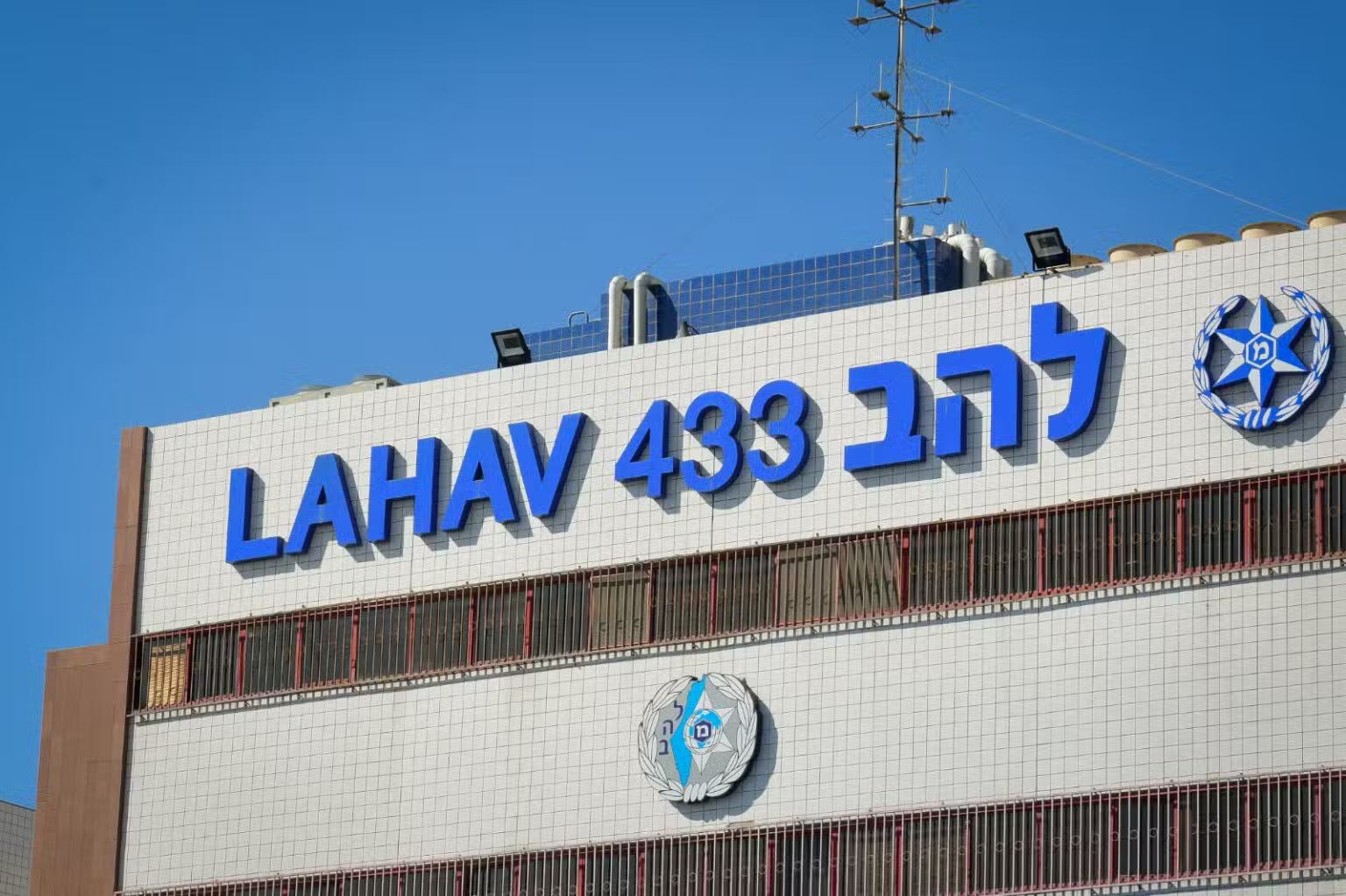
The Israel Police's national fraud unit (Yacha) within Lahav 433 has executed massive economic asset seizures totaling over ₪180M as part of the expanding ‘Yad Lochetzet Yad’ (Hand Shakes Hand) corruption probe. Authorities froze ₪93M directly from the corporate accounts of Menorah Insurance and its parent company, Menorah Mivtachim Holdings (TASE: MNHD), alongside an additional ₪90M from the personal accounts of its highest-ranking executives. Those targeted for further questioning include the Chairman and CEO of Menorah Holdings, as well as the Chairman, CEO, and Deputy CEO of Menorah Insurance. The investigation centers on allegations that Menorah illegally funneled illicit payments and benefits through a de-licensed insurance broker, Ezra Gabbay, who acted as an unauthorized middleman to influence Histadrut (General Federation of Labour) Chairman Arnon Bar-David. The alleged scheme was designed to secure and repeatedly renew a highly lucrative, multi-million shekel non-basket drug insurance policy for Histadrut members, from which Menorah has reportedly generated over ₪90M in illicit premium revenue since 2018.
Our take: This widening graft scandal exposes the persistent governance risks inherent in the tightly woven, oligopolistic architecture of Israel’s institutional insurance and pension markets. For foreign allocators, corporate governance and regulatory compliance are primary risk metrics; seeing an entire C-suite of a major public financial institution subjected to asset freezes creates immediate reputational and valuation friction.
The case highlights how entrenched networks and legacy distribution channels can create an uncompetitive environment, shielding dominant players from pure market forces. When public companies rely on political gatekeepers to protect market share rather than pure underwriting performance, the economic yield is artificially insulated from true market competition. The sheer scale of the financial seizure implies that regulators and law enforcement are shifting toward an aggressive posture on corporate compliance, signaling that institutional gatekeeping will face severe enforcement headwinds moving forward.
Energy

Leumi Partners, the investment banking and private equity arm of Bank Leumi (TASE: LUMI), has finalized an agreement to acquire a 20% equity stake in Delek Israel (TASE: DELEKG) for ₪213M. The transaction values the downstream energy and retail company at ₪1.06B post-money, representing a substantial valuation leap since Lahav LR and BGM acquired the company five years ago for ₪750M. The capital injection is strategically earmarked to fully fund the equity component of Delek Israel’s ₪1.218B acquisition of telecom operator HOT Mobile, which closed last week. Under the stewardship of Lahav LR, Delek Israel has systematically unlocked value by spinning off its real estate division, Delek Assets (currently valued near ₪1B), while distributing ₪425M in cash dividends. Delek Israel currently generates an annualized economic EBITDA of approximately ₪200M on revenues of ₪4.8B, driven by its infrastructure networks, wholesale supply lines, and a retail footprint of 240 fueling stations and 207 convenience hubs. The entry of Leumi Partners directly lays the groundwork for a highly anticipated Initial Public Offering (IPO) on the Tel Aviv Stock Exchange.
Our take: This transaction is a masterclass in private equity asset arbitrage and structural transformation. By onboarding Leumi Partners, Lahav LR has successfully recaptured its initial capital layout while retaining majority control of a fundamentally transformed enterprise. Delek Israel is rapidly pivoting away from its legacy, low-margin identity as a downstream petroleum retailer into a diversified cross-utility infrastructure powerhouse spanning energy, retail logistics, and digital telecommunications via HOT Mobile.
Integrating a telecom operator into a nationwide physical retail footprint creates powerful multi-product synergies, allowing Delek to monetize consumer data and drive high-yield subscription models across its existing retail ecosystem. For institutional investors preparing for the upcoming IPO, this capital restructuring mitigates balance sheet leverage from the HOT Mobile acquisition and provides a blue-chip banking stamp of approval, ensuring heavy local institutional demand when the company comes to market.
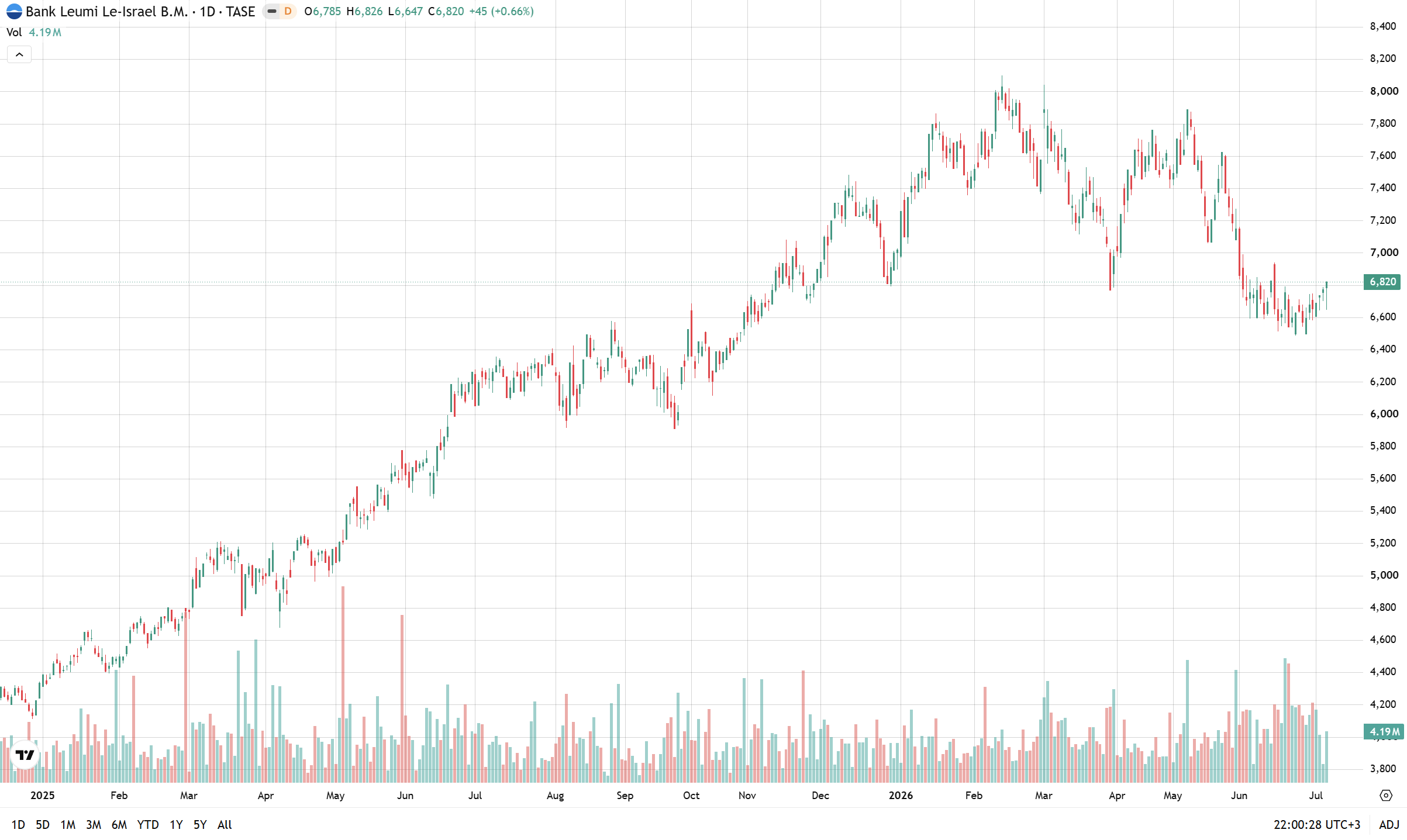
TASE snapshot for Tuesday, July 07, 2026
TA-35 Index (TASE:TA35):🔴-1.95%
TA-90 (TASE:TA90): 🔴 -2.08%
TA-125 (TASE:TA125): 🔴 -1.98%
If you enjoyed this update, forward it on.
TV10 Global | Israel for Investors
Bringing you the top stories from the Israeli business community, by Israel’s only business and finance network.
Share your thoughts with us via: global@tv10.co.il or the Newsroom WhatsApp: +972-55-994-5851.
📧 Subscribe to this newsletter! And follow the daily conversation on 𝕏 @tv10global.
Disclaimer: This brief is for informational purposes only and does not constitute investment advice. All data current as of publication date.