

Editor’s note:
The Tamar-Egypt memorandum of understanding for up to 80 billion cubic meters of natural gas is being celebrated by local officials as a victory for Israeli energy dominance. This agreement reflects global supply chain optimization and geopolitical decoupling, demonstrating how multinational capital bypasses the rigidities of the nation-state. While domestic policymakers remain bogged down by local cartel pricing power and capital controls, Isramco (TASE:ISRA) and Mubadala Energy are playing a borderless game of margin extraction.
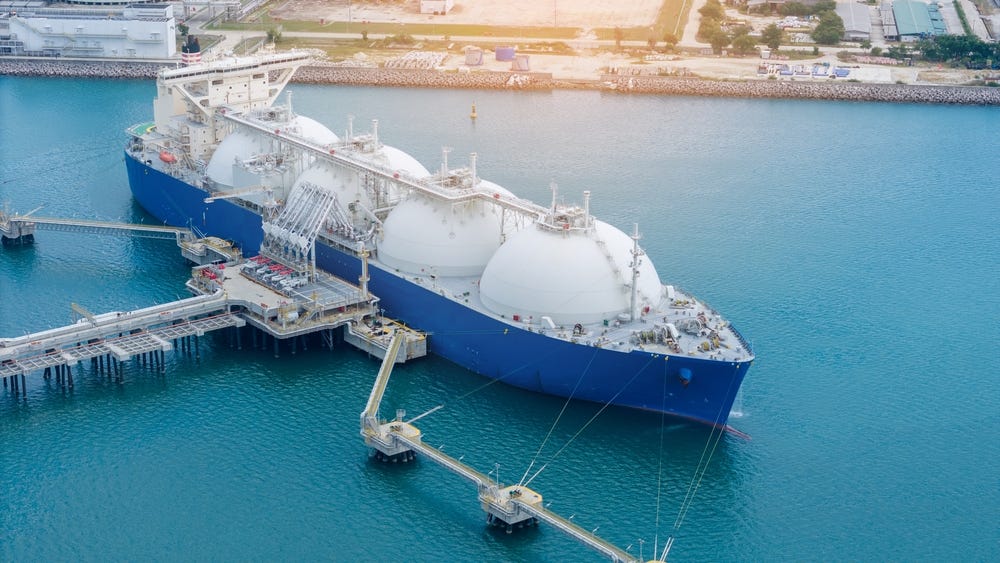
We can view this transaction through the lens of network theory and hub-and-spoke economics. By explicitly allowing Egypt to process and re-export the gas, Israel seems to be conceding the apex role in the Eastern Mediterranean. Cairo possesses the critical system assets, specifically the Idku and Damietta LNG terminals. By controlling this physical bottleneck, Egypt captures the vast downstream value-add, transforming raw Israeli output into a highly lucrative product with true global portability.
The financial architecture of the deal, pegging pricing to Brent crude with a hard floor, hedges the consortium against downside volatility while guaranteeing exposure to global energy shocks. This week, we analyze the Tamar MoU as a cooperative game between UAE capital, Israeli geology, and Egyptian infrastructure, and what it may mean for the future of regional trade.
— Sophia Tupolev, TV10 Global Editor
TASE weekly snapshot
The Tel Aviv Stock Exchange closed the week on a positive note.
TA-35 Index (TASE:TA35): 🟢 +2.10%
TA-90 (TASE:TA90): 🟢 +0.92%
TA-125 (TASE:TA125): 🟢 +1.85%
Authorization for Egypt to convert Israeli gas into liquefied natural gas (LNG) and export it globally
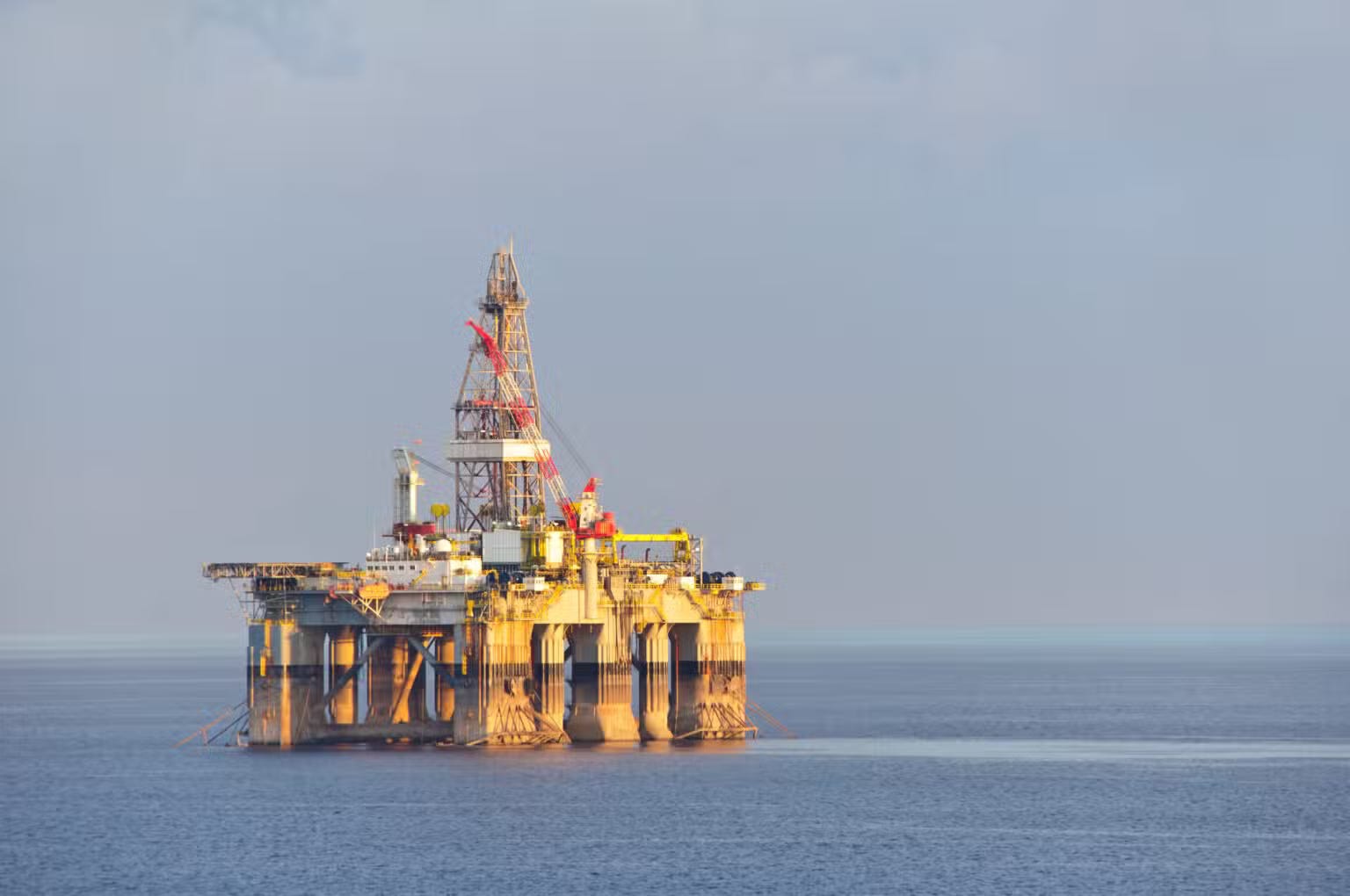
The MoU’s most revolutionary clause is the authorization for Egypt to convert Israeli gas into liquefied natural gas (LNG) and export it globally. In supply chain economics, the entity that holds the capital-intensive infrastructure inevitably dictates the terms of trade. Israel extracts the commodity from the Tamar field, which produces approximately 15.5 BCM per year following recent capacity optimizations, but lacks the sovereign system assets for liquefaction (cooling natural gas into a liquid and reducing its volume). Consequently, the consortium must route the hydrocarbons through Cairo to achieve global portability.
This dynamic allows Egypt to capture the most lucrative segment of the margin. By acting as the regional tollbooth, Egypt absorbs the raw material and sells the refined LNG to premium European and Asian markets at spot prices. Israel’s failure to develop its own floating LNG platforms, stifled by decades of domestic regulatory layering, environmental resistance, and bureaucratic friction, has permanently cemented Egypt’s status as the indispensable energy broker of the Levant Basin.
By controlling the physical export bottleneck, Cairo effectively manages the tempo and volume of Eastern Mediterranean trade. The Egyptian state leverages the sunk costs of its Idku and Damietta facilities to extract economic rents from neighboring extraction nodes, transforming Israeli geological luck into Egyptian geopolitical power. Israel simply supplies the feed-gas, absorbing the operational risks of offshore drilling while surrendering the downstream financial upside.
The long-term implications of this hub-and-spoke model are profound. As global LNG demand continues to surge, particularly in a Europe desperate to replace Russian pipeline gas, Egypt solidifies its geopolitical leverage over the EU. Israel, conversely, remains a silent supplier. The extraction node generates steady but capped revenue, while the liquefaction hub reaps the premium geopolitical rewards and dictates the strategic relationships with end-users in the West.
Mubadala and the geopolitics of capital
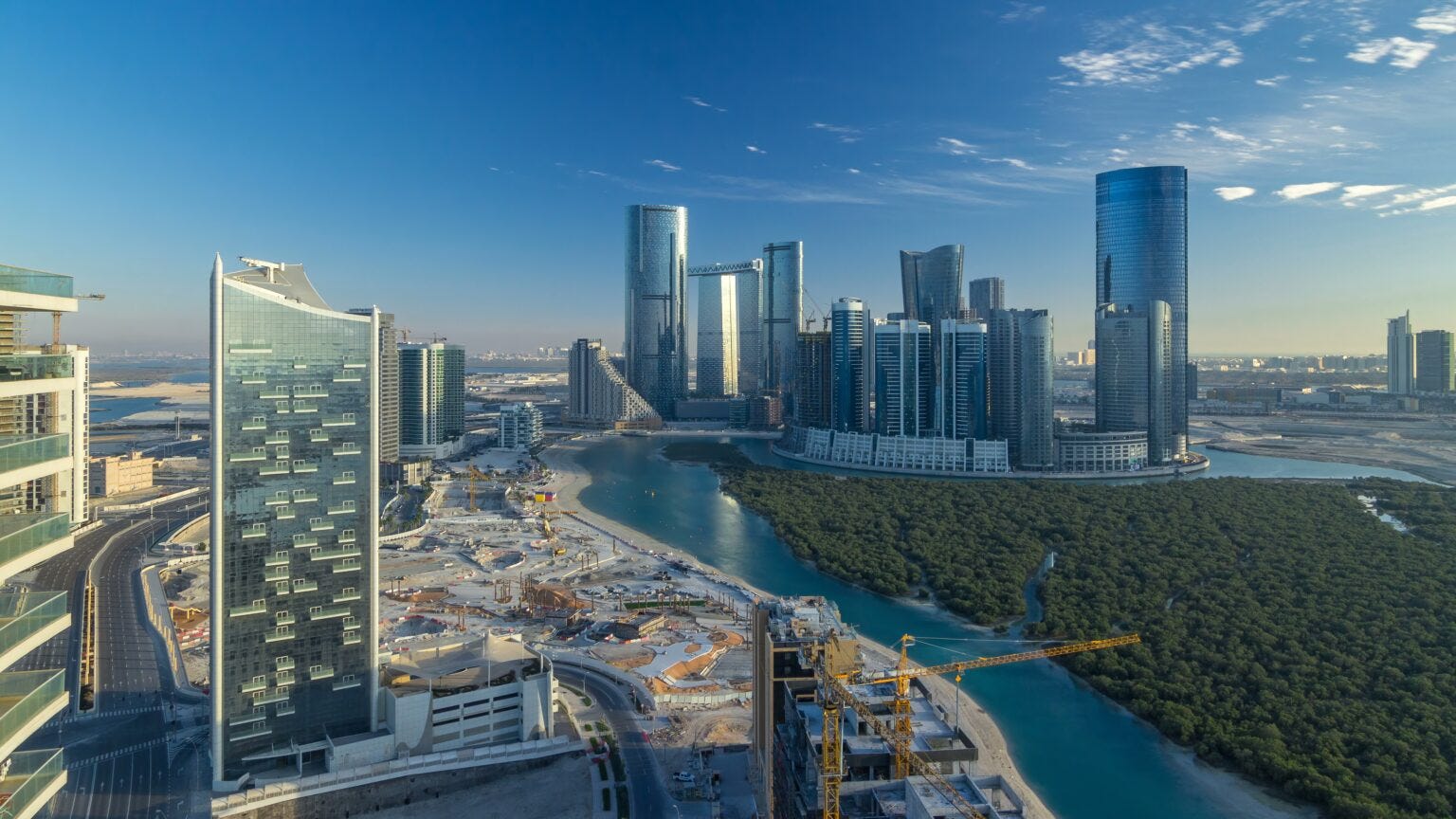
The presence of the UAE’s Mubadala Energy, which holds an 11% stake in the Tamar field, redefines the risk profile of the Eastern Mediterranean. By entangling Emirati sovereign capital with Israeli natural resources and Egyptian infrastructure, the consortium has constructed a robust cooperative game. Geopolitical disruptions become prohibitively expensive for any single state actor to initiate when the financial downside is distributed across Abu Dhabi, Jerusalem, and Cairo.
This alignment represents the ultimate triumph of capital over borders. While the Israeli domestic market remains hampered by severe structural friction and protectionist policies, the offshore energy consortium operates in a frictionless, supranational space. The inclusion of Mubadala not only secures vital investment but ensures that the Tamar field becomes functionally “too big to fail” from a regional security standpoint, effectively outsourcing diplomatic stability to corporate mutual interest.
By intertwining the sovereign wealth of a Gulf powerhouse into the Israeli offshore energy grid, the consortium has created a de facto security umbrella. Any regional actor or proxy threatening the extraction nodes now directly threatens Abu Dhabi’s $230 billion national investment balance sheet. This mechanism effectively privatizes the deterrence that the state typically provides, leveraging global capital as a shield against localized instability.
Furthermore, this capital alignment marginalizes the traditional tools of statecraft. Sovereign governments in the region are increasingly forced to align their foreign policies with the operational requirements of these multinational consortiums. When the flow of capital and hydrocarbons becomes this deeply integrated, diplomatic posturing takes a backseat to the mathematical imperatives of uninterrupted production and margin extraction.
The financial structure of the Isramco-Mubadala MoU
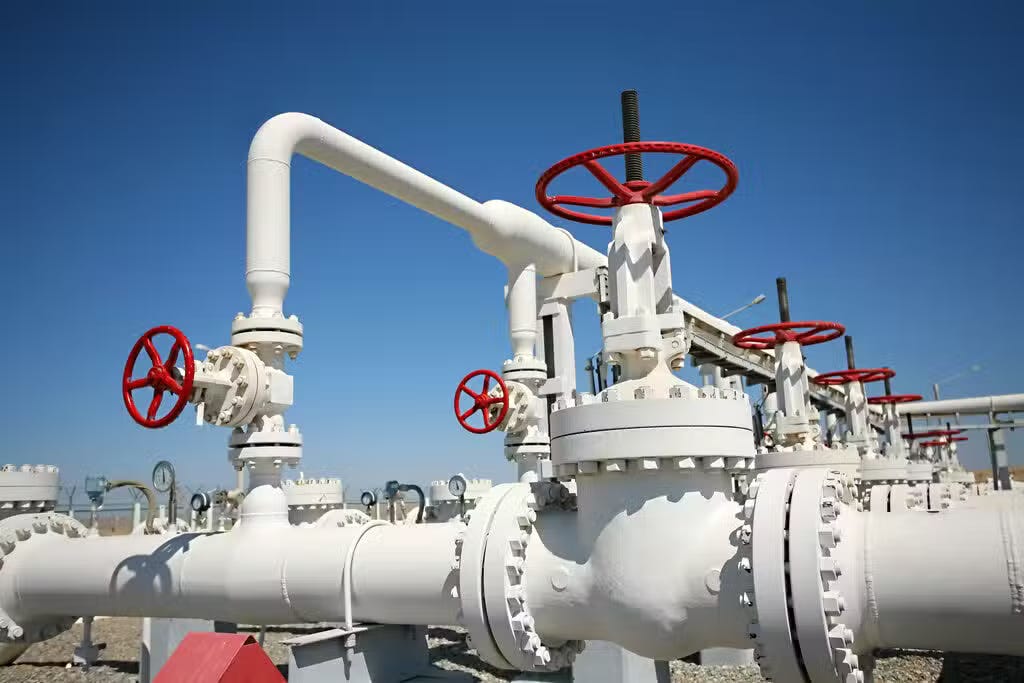
The financial structure of the Isramco-Mubadala MoU is an exercise in risk mitigation and margin optimization. By pegging the export price to a Brent crude formula rather than localized hub pricing, the consortium immediately links Tamar’s output to macro-level global demand dynamics. This integration ensures that as global energy markets tighten, the revenue streams flowing back to the partners scale proportionally, maximizing the yield on the asset.
Crucially, the inclusion of a ‘floor price’ mechanism acts as a structural hedge. It effectively creates a put option written by the Egyptian buyers, guaranteeing baseline cash flows for Isramco, projected at nearly ₪21.3 billion ($5.75 billion) over the contract’s lifecycle. This asymmetric payoff structure protects the consortium from any severe contraction in global energy prices, ensuring long-term financial stability regardless of macroeconomic headwinds.
This pricing architecture effectively insulates the consortium from localized economic downturns in either Israel or Egypt. By denominating the upside in Brent and securing the downside with a hard floor, the partners have decoupled their revenue generation from the domestic monetary policies, currency fluctuations, or inflation rates of the host nations. The consortium has achieved capital portability, immune to regional economic conditions.
Ultimately, this contract structure dictates that the true beneficiaries of the Tamar field’s expansion are the institutional shareholders and global equity markets. While the Israeli state will collect its mandated royalties, the sophisticated financial engineering of the MoU ensures that the maximum possible economic rent is extracted by the corporate partners, bypassing the domestic grid and delivering pure yield to the consortium’s balance sheets.
What to watch
In the near term, game theory dictates that the remaining partners in the Tamar reservoir, including Chevron Mediterranean Limited, which operates the field with a 25% stake, and Tamar Petroleum (TASE:TMRP) with a 16.75% share, have a dominant strategy to join this MoU. The financial upside of Brent-linked global exports far outweighs the returns of remaining tethered solely to the saturated domestic grid. We could see the full consortium formalize their participation well before the 2031 commencement, unlocking the maximum 80 BCM capacity.
Long-term, investors must track whether Israel remains content as a passive raw-material exporter, or if it will attempt to capture downstream margins. One metric to watch is whether the Israeli Energy Ministry can cut through its own regulatory layering to approve sovereign offshore LNG facilities. Until then, Israel could remain a highly profitable, yet rather subordinate, spoke in Egypt’s sprawling Mediterranean energy hub.
That’s our letter, folks. If you enjoyed this Weekly, forward it on.

The English TV10 newsletter is edited by Sophia Tupolev. We love to hear from you.
TV10 Global | Israel for Investors
Now in English: Bringing you the top stories from the Israeli business community, by Israel’s only business and finance network.
Please share your thoughts with us via: global@tv10.co.il or the Newsroom WhatsApp: +972-55-994-5851.
📧 Subscribe to this newsletter! And follow the daily conversation on 𝕏 @tv10global.
Pings with new editions are also available via our WhatsApp Channel.
Disclaimer: This brief is for informational purposes only and does not constitute investment advice. All data is current as of publication date.