
🍿 Get our coverage on Spotify, and Youtube, too. Want to join the conversation? We’re on X
Quick takes:
Fintech & Digital Assets: The Ministry of Finance and Capital Market Authority published a first-of-its-kind draft bill to regulate stablecoin issuers in Israel.
Energy & National Infrastructure: Aluma Infrastructure Fund is acquiring Supergas's natural gas operations for approximately ₪400M; simultaneously, the Israel Electric Corporation (IEC) and the Ministry of Construction and Housing are launching a police-backed enforcement operation against market concentration and the infiltration of criminal elements into the infrastructure sector.
Logistics & Maritime Transport: The Economic Affairs Committee is demanding government solutions within two weeks regarding the future of the Eilat Port, currently paralyzed by the Houthi maritime threat, ahead of the franchise expiration in 2028.
Fintech & Digital Assets
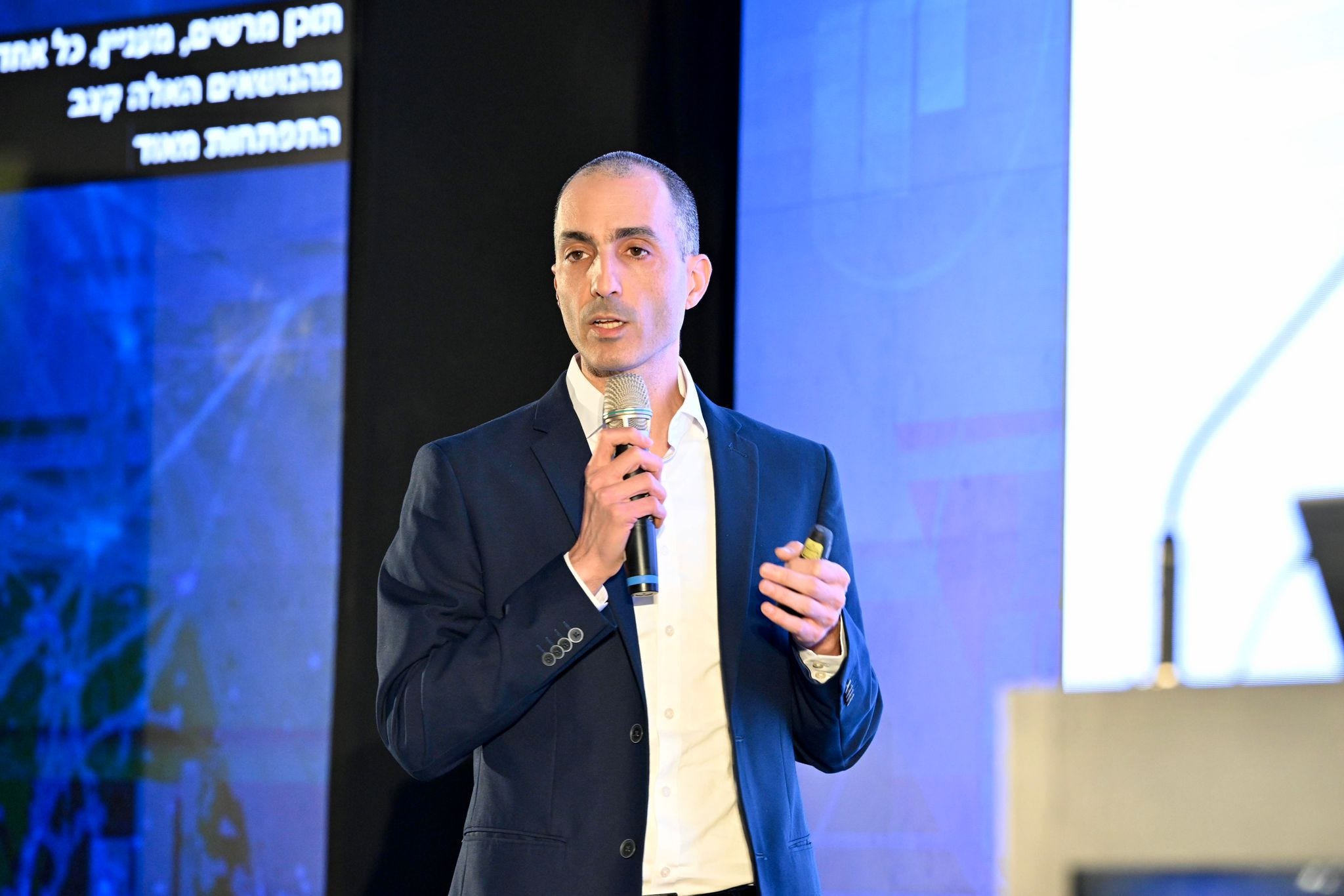
The Ministry of Finance and the Capital Market Authority published a draft bill today for public comment to regulate the issuance of stablecoins in Israel. This pioneering step establishes a dedicated licensing and regulatory framework for digital currencies pegged to the shekel or the US dollar. Formulated alongside the Bank of Israel, the framework is adapted from advanced global regulations, including the US GENIUS Act and the European MiCA framework. The Capital Market Authority will centralize licensing, supervision, and enforcement in a global sector valued at over $300 billion, boasting an annual growth rate exceeding 40% and a monthly transaction volume of roughly $2 trillion. The initiative aims to create regulatory certainty to encourage entrepreneurship and foreign investment, lower entry barriers, and facilitate new business models based on blockchain technology. Currently, nine entities hold licenses for providing financial services in digital currencies in Israel, five of which were granted this year.
Our take: The publication of the stablecoin draft bill represents a strategic macroeconomic move designed to reduce structural friction within the Israeli financial market, which has historically operated under a traditional and highly concentrated banking oligopoly. The rapid adoption of regulatory principles parallel to MiCA and US legislation is intended to prevent regulatory arbitrage and signal to foreign and institutional capital that Israel is aligning with the strictest international standards.
While integrating these infrastructures could significantly boost competition in payment services and capital transfers, its broader macroeconomic success hinges on the local banking system’s willingness to allow seamless integration, mitigating any potential institutional resistance from conservative entities that might try to restrict the penetration of agile fintech firms into the real economy.
Energy & National Infrastructure
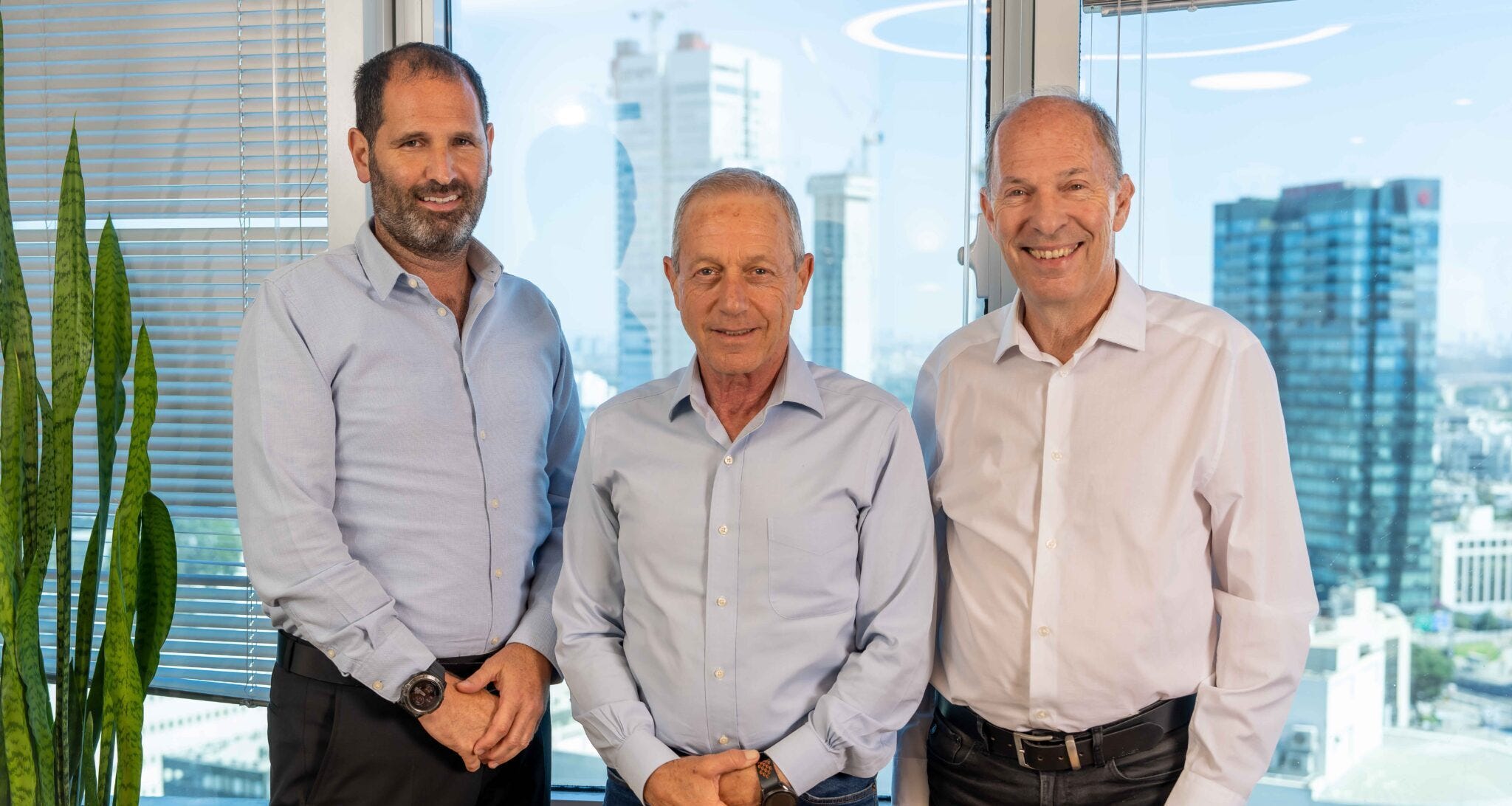
Aluma Infrastructure Fund reported receiving approval from the Natural Gas Authority at the Ministry of Energy to complete the acquisition of Supergas Power's natural gas and cogeneration operations for approximately ₪400 million. Under the agreement framework, the fund will pay ₪281 million upon closing, with the remaining ₪114 million to be paid within 24 months. The acquired operations include natural gas supply to leading industrial plants, compressed natural gas (CNG) provision to over 1,000 buses and trucks, and the management of cogeneration facilities with an active capacity of roughly 33 MW. Following the announcement, Aluma and Supergas Power shares rose by approximately 2% and 3% respectively on the Tel Aviv Stock Exchange (TASE), reflecting market confidence in the fund's strategy to expand its national infrastructure solutions and create synergies with existing assets.
Concurrently, the Israel Electric Corporation (IEC) and the Ministry of Construction and Housing announced a joint initiative to examine competition barriers and the suspected infiltration of criminal elements into Israel's electrical infrastructure sector. The industry currently suffers from high concentration and a relatively limited pool of contractors executing projects for the IEC. The initiative includes proactive, police-escorted inspections at worksites nationwide to ensure contractors meet legal requirements and to identify unauthorized operators. Furthermore, emphasis will be placed on streamlining bureaucratic processes and guiding legitimate, experienced contractors to upgrade their professional classification, aiming to expand the pool of players eligible to bid on large-scale national infrastructure projects.
Our take: Aluma’s acquisition reflects a broader consolidation trend within Israel’s secondary energy market, leveraging essential infrastructure assets that generate a stable, predictable yield. Such assets serve as a highly sought-after defensive anchor for institutional investors during periods of macroeconomic volatility and inflation.
Conversely, the drastic measures taken by the IEC and the Ministry of Housing expose the depth of structural market failures and criminal penetration within physical infrastructure development. The sector’s severe oligopoly creates high entry barriers that lead to inherent inefficiencies and inflate the execution costs of national projects. Dismantling this concentration and expanding the circle of legitimate contractors is imperative to attract international construction firms and foreign investors from OECD nations, who currently shy away from operating environments characterized by legal uncertainty, excessive bureaucratic friction, and extortion threats.
Logistics & Maritime Transport
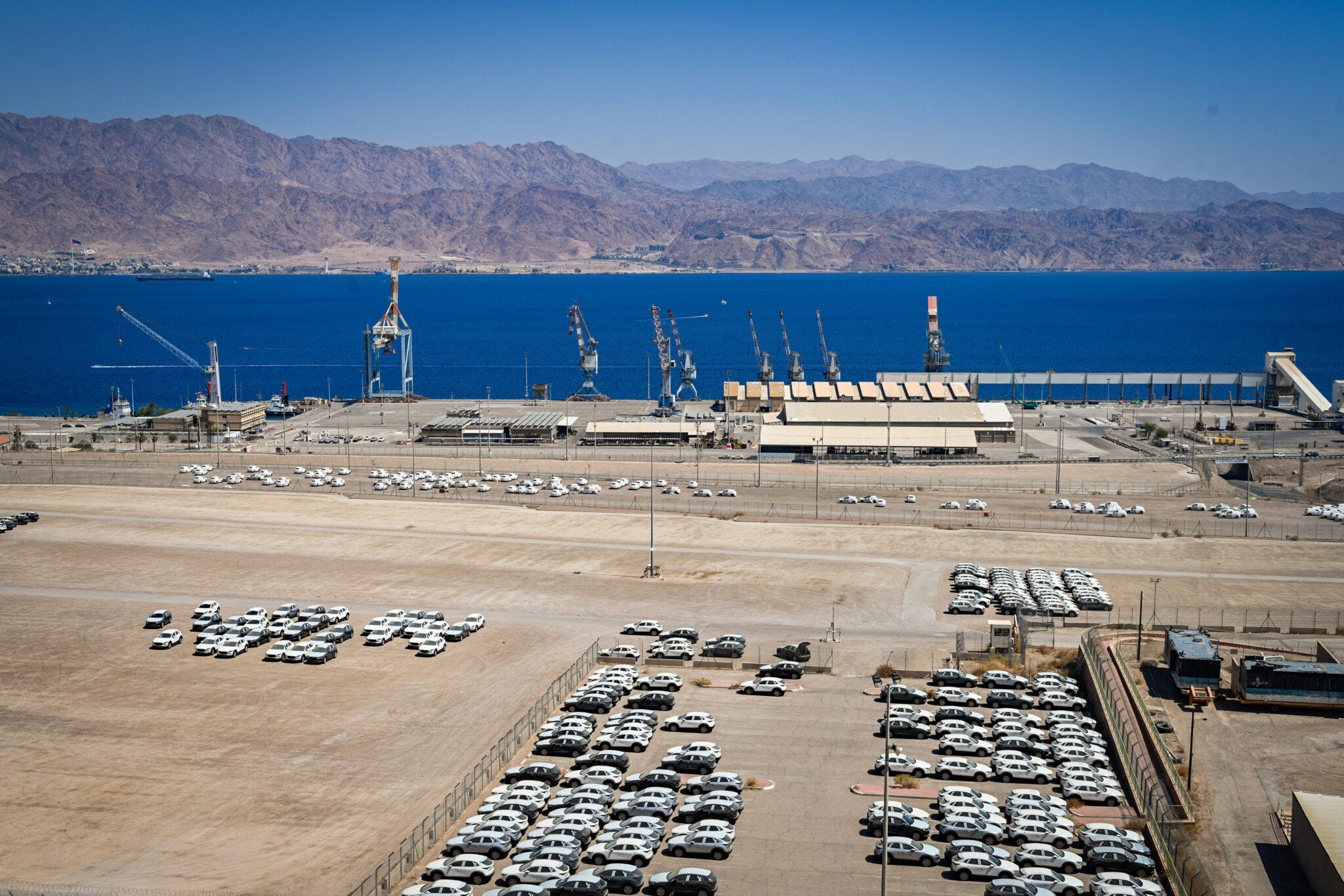
The Knesset's Economic Affairs Committee held an urgent debate regarding the future of the Eilat Port, which is almost entirely paralyzed due to the security threat and maritime blockade imposed by Houthi rebels in the Red Sea. Committee Chairman MK David Bitan demanded that government ministries present clear solutions within two weeks regarding the transfer of authorities and the potential publication of a new tender ahead of the current operator's franchise expiration in January 2028. The regulatory uncertainty is exacerbated by a legal obstacle preventing the Minister of Transport, Miri Regev, from handling the issue due to a conflict of interest, delaying a resolution and necessitating the transfer of authority to the Minister of Finance. Port management argues it has met two of the three option conditions for a franchise extension, excluding the container activity development condition, which it deems economically unviable, and emphasizes it has retained all employees despite a severe blow to revenue. Meanwhile, labor representatives warn of a managerial vacuum and demand the state honor its 2012 commitment to a financial safety net for workers.
Our take: The Eilat Port crisis extends far beyond the isolated economic plight of a single franchisee; it serves as stark evidence of the strategic vulnerability of Israeli supply chains and a dramatic spike in the nation’s geopolitical risk premium. The prolonged shutdown of such a critical economic anchor, devoid of a clear diplomatic and security objective from the government to reopen the international shipping lane, severely damages Israel’s logistical credibility.
The regulatory uncertainty approaching 2028, coupled with the bureaucratic gridlock stemming from the governmental conflict of interest, generates severe friction that could permanently alienate international operators and investors. Should the state be forced to step into the operator’s shoes or fund the workers’ financial safety net, it will impose an additional fiscal drag on the state budget, further highlighting the conceptual gap between infrastructure management in Israel and the accepted standards among its OECD peers.
TASE snapshot for Tuesday, June 30, 2026
TA-35 Index (TASE:TA35): 🟢 +1.30%
TA-90 (TASE:TA90): 🟢 +0.60%
TA-125 (TASE:TA125): 🟢 +1.12%
If you enjoyed this update, forward it on.
TV10 Global | Israel for Investors
Bringing you the top stories from the Israeli business community, by Israel’s only business and finance network.
Share your thoughts with us via: global@tv10.co.il or the Newsroom WhatsApp: +972-55-994-5851.
📧 Subscribe to this newsletter! And follow the daily conversation on 𝕏 @tv10global.
Disclaimer: This brief is for informational purposes only and does not constitute investment advice. All data current as of publication date.