

🍿 Get the Daily on Spotify, too
Quick takes:
Macro: The Israel Securities Authority (ISA) warned that the domestic open banking revolution is being stonewalled by legacy banks; The Israel Competition Authority tightened its M&A oversight with a strict 1,800 HHI threshold to curb horizontal and serial consolidation; the Finance Ministry launched a localized ₪44M digital wallet stimulus for northern border residents.
Energy: The Ministry of Energy launched a deregulation initiative to combat severe price gouging in the domestic cooking gas (LPG) sector; The government unlocked a ₪300M energy efficiency grant program funded by the carbon tax; Solaer Renewable Energy successfully closed a ₪165M private placement anchored by Menora Mivtachim and Clal Insurance to scale a 1 GW global pipeline.
Macro
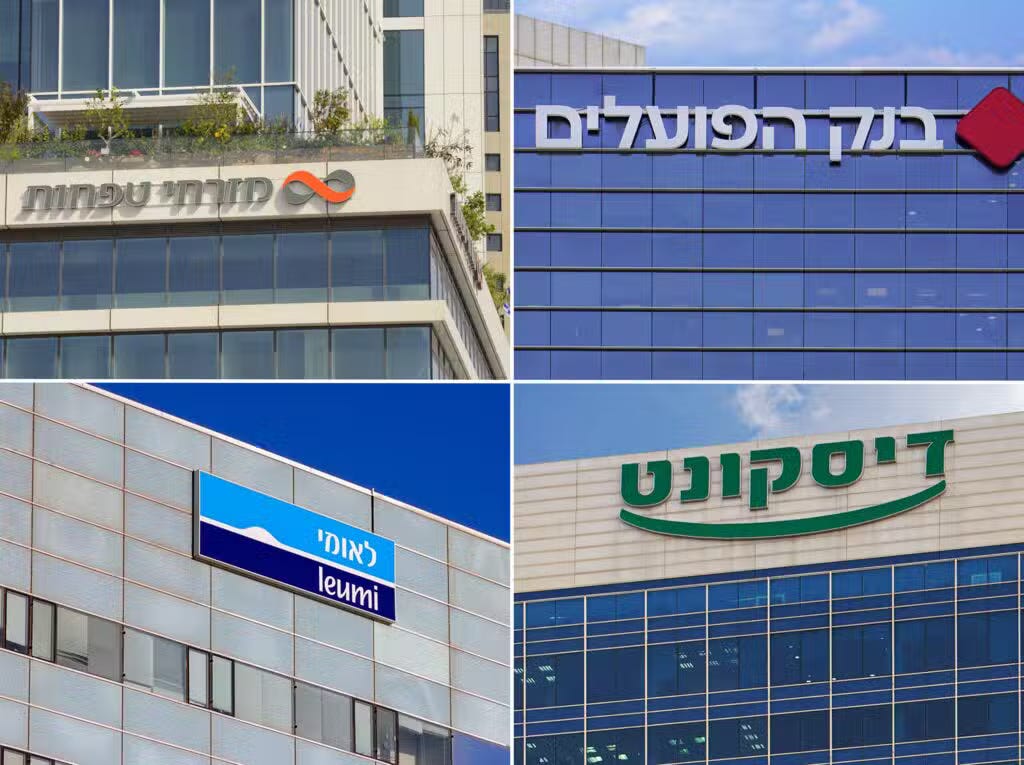
A new ISA report on financial information services finds Israel’s open banking reform isn’t taking off. The market counts 314,000 registered users and 25 licensed operators, yet three firms control 92% of retail clients and 94% of corporate ones. The ISA points the finger at legacy banks for partial cooperation and slow API integration. Payment initiation, the reform’s most disruptive feature, sits at just 0.5% of usage. Loan data queries jumped 28% year over year.
Our take: The findings confirm what independent fintech operators have flagged for years. Institutional resistance is starving domestic financial innovation. Consumer demand for yield and credit optimization keeps growing, while the banking oligopoly leans on operational friction to protect its net interest margins and fee structures.
Until the Bank of Israel and the ISA swap warnings for real sanctions on API delays, foreign fintechs will find Israeli retail banking effectively closed. Consumers stay locked into a high-cost paradigm.
The Israel Competition Authority has released tough new draft guidelines for approving corporate mergers. The updated framework lowers what’s called the Herfindahl-Hirschman Index threshold, a number that tells you how concentrated a market is, meaning whether it's dominated by a few big players or spread across many smaller ones.
Now, any horizontal merger producing a post-merger HHI above 1,800 (or a market share over 30%), paired with an HHI increase of 100, will be presumed to harm competition. The authority is also formally expanding its mandate to cover non-horizontal M&A (vertical and conglomerate), serial acquisitions, and the monopolization of user data by multi-sided tech platforms.
This tightening pulls Israel into line with the antitrust postures recently adopted by the US FTC and European regulators. Once the 1,800 HHI threshold is crossed, the burden of proof shifts to the merging companies.
Foreign capital and tech giants running serial acquisition strategies to capture Israeli IP or data moats now face sharply higher transaction friction. The explicit focus on “data as an input” puts Big Tech’s standard playbook under a localized regulatory microscope and complicates future cross-border tech buyouts.
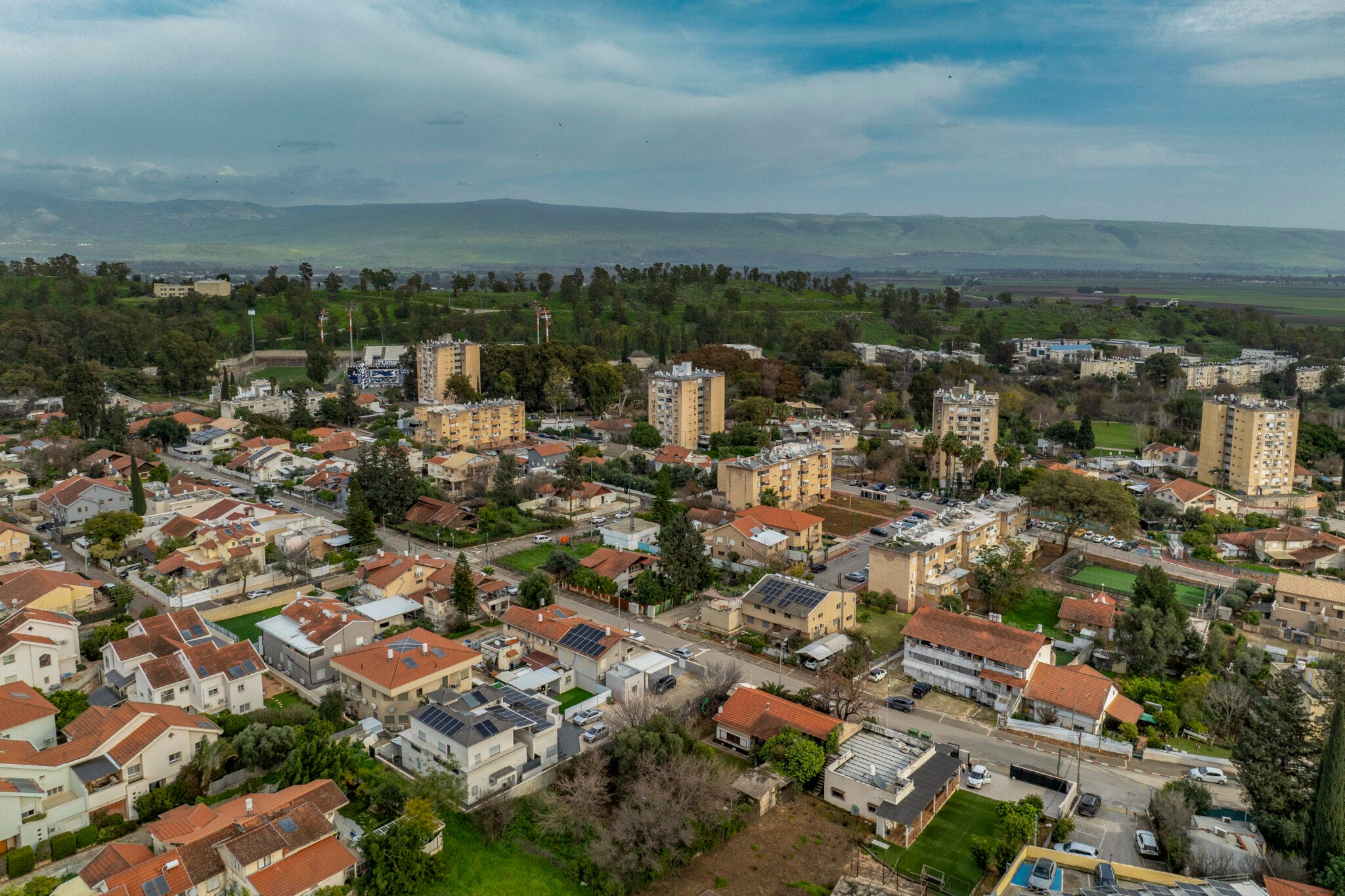
The Finance and Negev and Galilee ministries launched the “North Plus” digital wallet yesterday. The program distributes ₪44 million to roughly 17,000 border-adjacent households, up to ₪2,500 per family, with funds geo-fenced via the Cal app for use only within 2 kilometers of the northern border. A separate ₪30 million allocation provides ₪24,000 per family to reservists relocating to Kiryat Shmona, Shlomi, and Metula.
Our take: Geo-fencing is the sophisticated piece here. Untethered cash would have leaked to national supermarket chains and e-commerce platforms. Locking spend to the border zone forces a localized multiplier effect that directly underwrites the survival of northern SMEs after catastrophic revenue losses. The ₪24,000 relocation grant carries more risk. Fiscal incentives alone cannot offset the security deficits that drove residents out in the first place.
Energy
The Ministry of Energy launched a deregulation push against localized oligopolies in the cooking gas (LPG) market. Bi-monthly household bills range from ₪63 to ₪130 across the 12 largest cities, with Jerusalem spreads hitting ₪74 to ₪164, over ₪550 in excess annual costs. The reform adds a monthly price index and clears the bureaucratic barriers to switching suppliers.
The government also opened a ₪300 million three-year grant track for industrial energy efficiency, funded by the carbon tax. Factories converting from polluting fuels to electricity, hydrogen, or compressed natural gas can claim 25% to 50% CapEx subsidies, capped at ₪3.5 million per project.
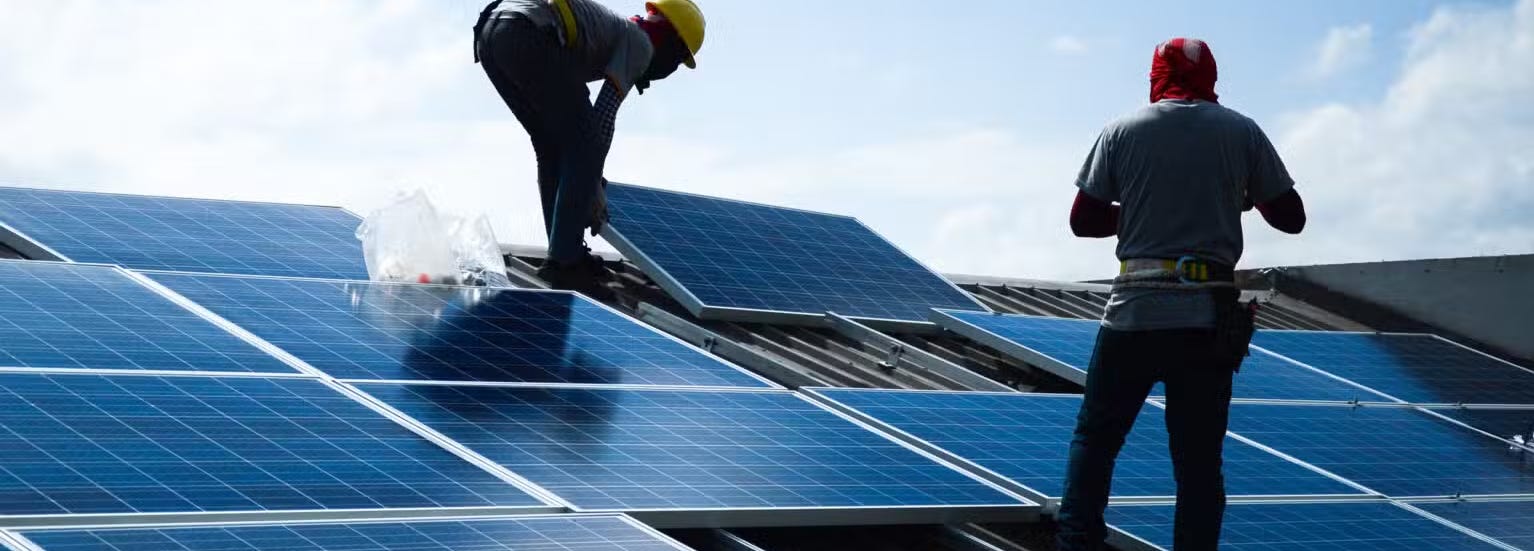
And finally, Solaer Renewable Energy closed a ₪165 million private placement at ₪80 per share. Menora Mivtachim took 6.31% for ₪115 million, Clal Insurance 2.91% for ₪50 million. Warrants could add ₪162 million by April 2028. Following the capital raise, Solaer is slated to enter the TA-SME60 index.
Our take:
Tier-one institutional players like Menora Mivtachim and Clal Insurance are not allocating nine-figure capital to Solaer as some speculative green-tech play. By injecting up to ₪327 million (assuming full warrant execution by 2028) to accelerate Solaer’s 1 GW global pipeline, these pension architectures are moving aggressively to capture the supply side of a market that the government is actively forcing heavy industry to consume.
TASE snapshot for Monday, April 27, 2026
TA-35 Index (TASE:TA35): 🔴 -0.50%
TA-90 (TASE:TA90): 🔴 -0.73%
TA-125 (TASE:TA125): 🔴 -0.56%
If you enjoyed this update, forward it on.
TV10 Global | Israel for Investors
Bringing you the top stories from the Israeli business community, by Israel’s only business and finance network.
Share your thoughts with us via: global@tv10.co.il or the Newsroom WhatsApp: +972-55-994-5851.
📧 Subscribe to this newsletter! And follow the daily conversation on 𝕏 @tv10global.
Pings available via WhatsApp Channel.
Disclaimer: This brief is for informational purposes only and does not constitute investment advice. All data current as of publication date.