
🍿 Get our coverage on Spotify, and Youtube, too. Want to join the conversation? We’re on X
Quick takes:
Energy: Modi'in Energy executes a $6 million exit from its Texas Chittim Ranch asset, securing a 42% yield to shift capital into Gulf of Mexico production.
Healthcare: InterCure locks in a ₪22 million private placement, scalable to ₪54 million via warrants, to fuel expansion into the German and US medical cannabis markets.
Technology: Minimus launches an open-access, zero-registration secure container registry to counter the systemic wave of AI-driven software vulnerabilities.
TASE snapshot for Tuesday, June 23, 2026
TA-35 Index (TASE:TA35): 🔴 -0.10%
TA-90 (TASE:TA90): 🔴 -0.11%
TA-125 (TASE:TA125): 🔴 -0.14%
Energy
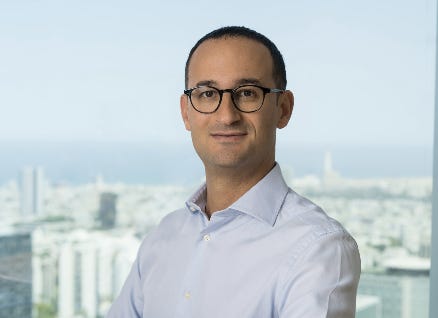
Modi'in Energy (TASE:MDIN) has finalized the divestment of its stake in the Chittim Ranch (Carapace) oil project in Texas, securing an immediate cash consideration of $6 million. The transaction crystallizes a pre-tax profit of approximately $2.3 million on a $4.2 million initial capital outlay, reflecting a robust 42% return on investment. According to CEO Jonathan Shohat, the liquidity event bolsters the partnership's balance sheet flexibility and aligns with its strategic mandate to pivot toward producing assets. Modi'in will immediately deploy the proceeds toward the acquisition of a 12.5% working interest in the "BigFoot" oil asset located in the Gulf of Mexico, marking the next phase of its offshore growth strategy.
Our take: Modi'in's 42% yield on its Texas oil asset underscores a prevailing macroeconomic theme: Israeli capital thrives when it bypasses local institutional resistance. Operating within the domestic energy sector is fraught with heavy regulatory layering, protracted zoning battles, and a monopolistic infrastructure framework. By pivoting to high-fluidity jurisdictions like Texas and the Gulf of Mexico, Modi'in captures pure margin and execution speed. This transaction highlights a calculated arbitrage where Israeli management exports capital to OECD peers to achieve the operational scale and yield simply unavailable in a domestic market choked by structural friction.
Healthcare
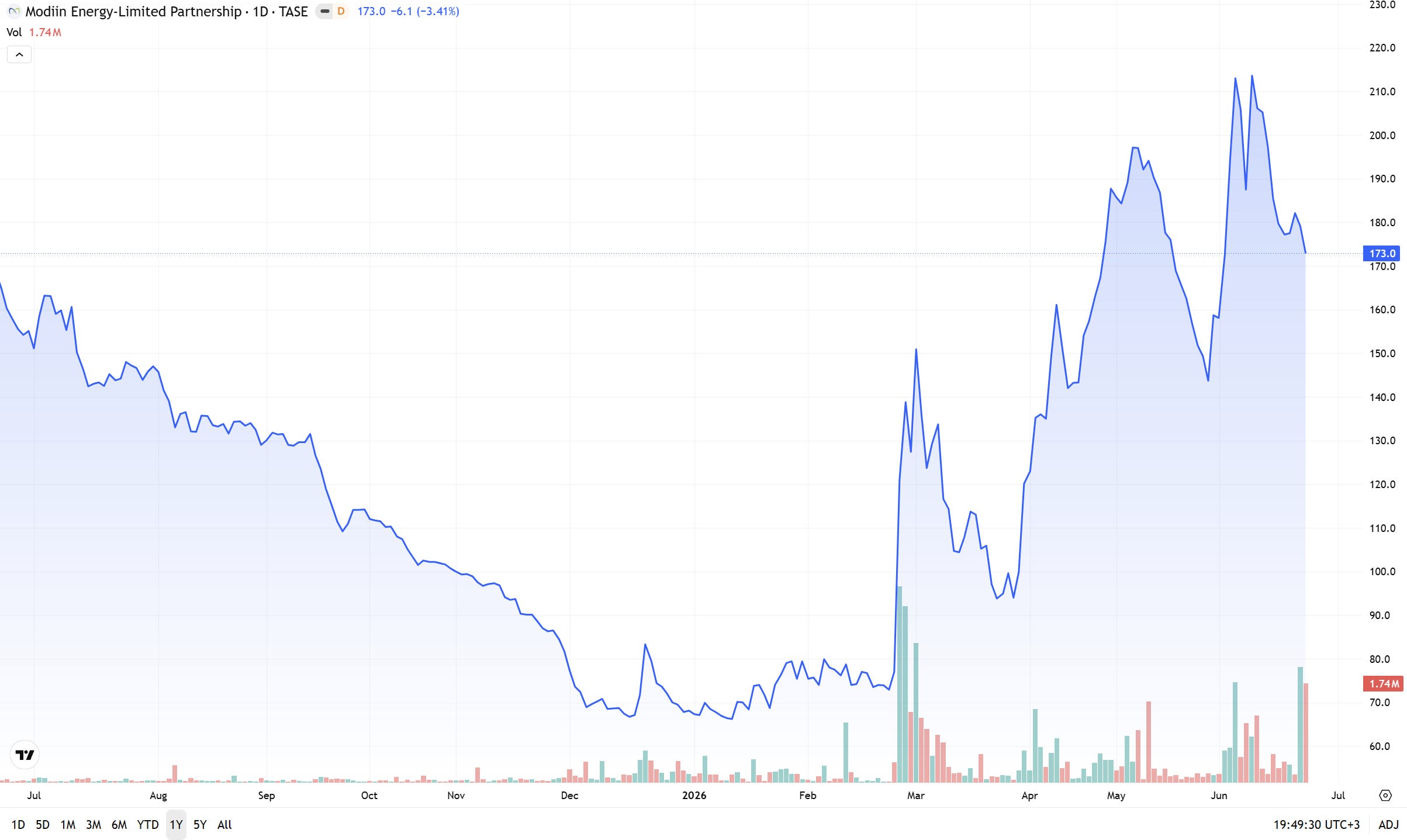
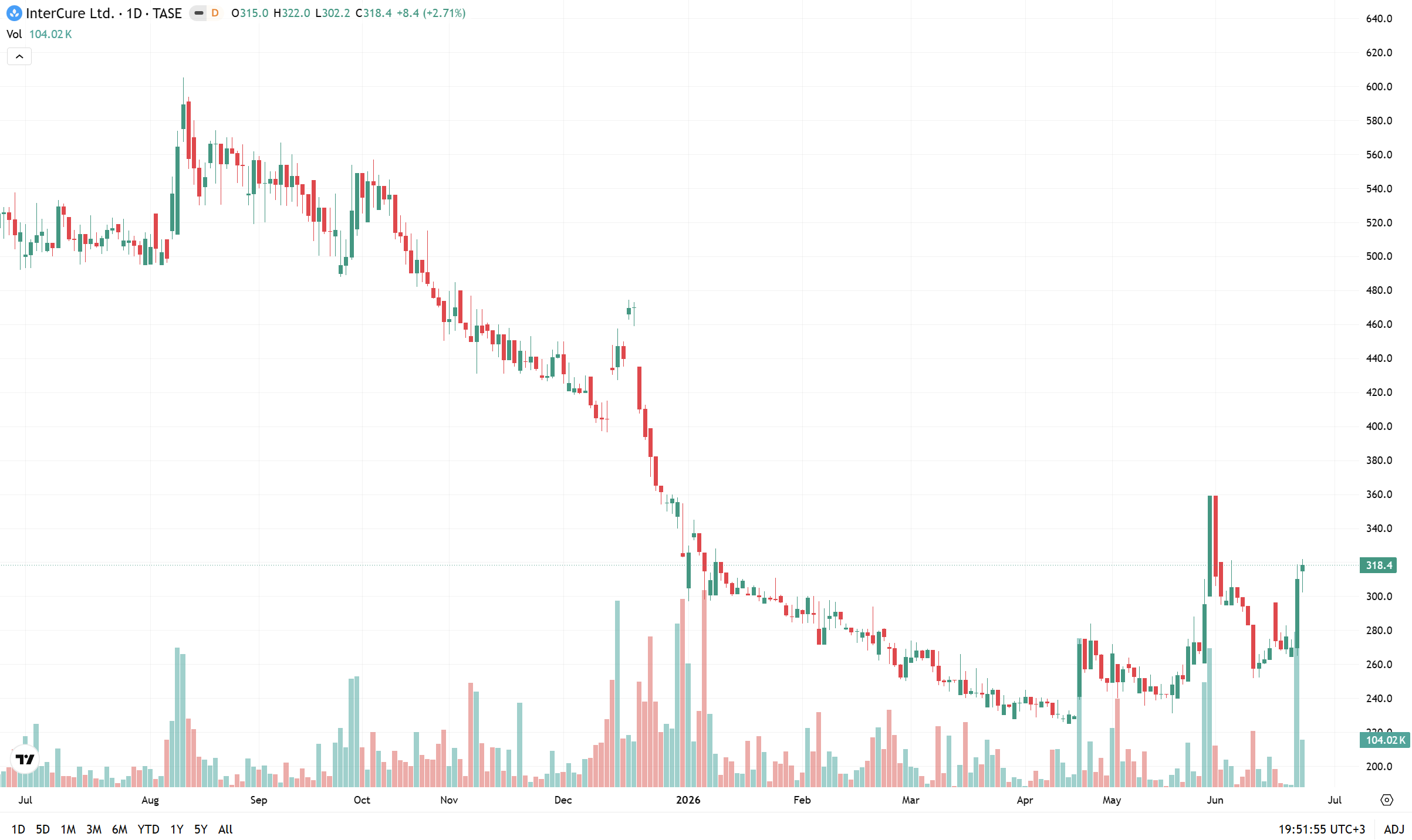
InterCure (TASE:INCR) has announced a ₪22 million private placement led by pharma-focused institutional hedge funds, notably the Bennu Pharma Fund managed by Ori Hershkovitz, alongside a capital injection from CEO Alexander Rabinovitch.
Structured with five-year options, the full exercise of the warrants could expand the total capital raise to ₪54 million. The capital will be deployed to accelerate InterCure’s global footprint, specifically capturing surging demand in the newly liberalized German market and expanding operations across regulated US medical cannabis jurisdictions. The funds will also support the post-crisis stabilization of its domestic manufacturing and distribution network.
Our take: InterCure’s capital injection reveals a classic arbitrage strategy for Israeli life sciences. By anchoring funding from specialized institutional players, the company is bypassing localized market friction, including domestic margin compression and shifting local regulatory frameworks, to capture first-mover advantage in massive, newly deregulated OECD markets like Germany. InterCure is effectively leveraging its domestic R&D and cultivation expertise as a springboard into high-yield foreign jurisdictions, proving that sustainable growth in the Israeli pharma sector increasingly depends on aggressive export strategies rather than relying on a constrained domestic consumer base.
Technology
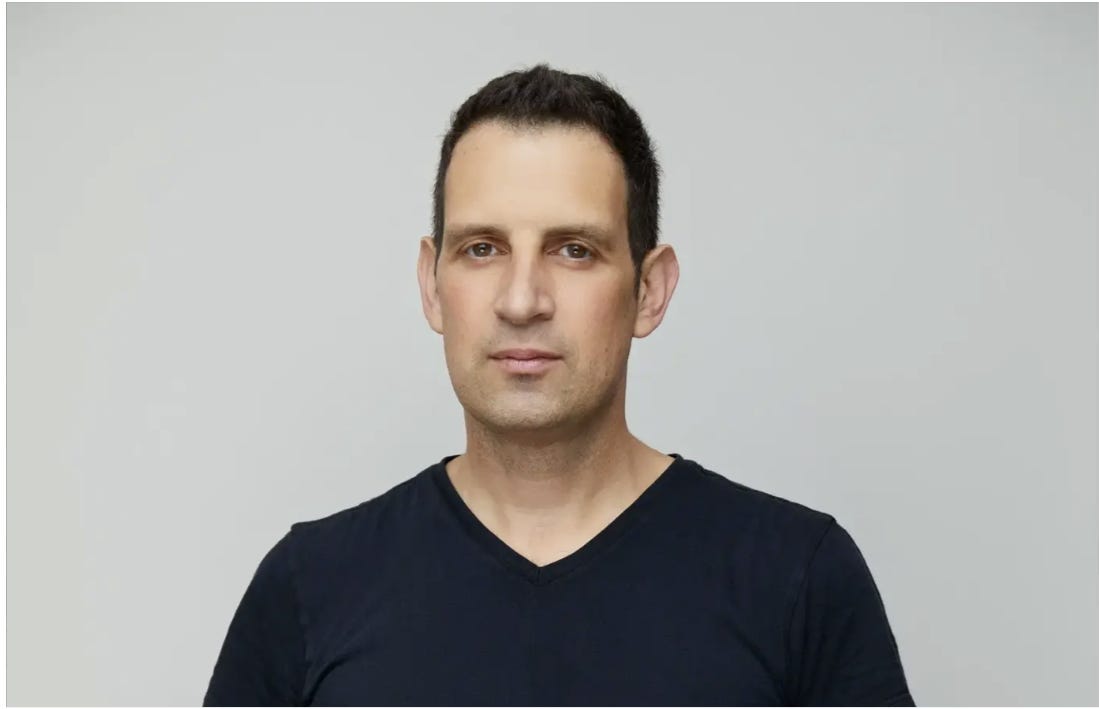
Minimus, a cybersecurity startup founded by the veteran team behind Twistlock (acquired by Palo Alto Networks), has launched its free Community Edition, granting developers zero-registration access to its secure container image database. Backed by over $50 million in seed funding led by YL Ventures and Mayfield, Minimus aims to mitigate the explosive surge in software vulnerabilities generated by advanced AI models like Anthropic's Glasswing and Mythos.
By providing continuously rebuilt, distroless images mapped with cryptographic Software Bills of Materials (SBOMs) compliant with FIPS, NIST, and CIS baselines, Minimus enables developers to integrate military-grade security at the genesis of the CI/CD pipeline, avoiding downstream operational bottlenecks.
Our take: The Minimus open-source strategy illustrates a profound shift in how Israeli deep-tech combats the generative AI arms race. As autonomous AI agents exponentially accelerate code generation, and by extension, the discovery of vulnerabilities, enterprise DevSecOps teams are buckling under the threat telemetry.
By entirely eliminating procurement friction and traditional SaaS gatekeeping, Minimus is employing an aggressive product-led growth mechanism to establish its distroless framework as the industry standard. For institutional backers like YL Ventures, subsidizing this free community layer is a calculated maneuver to outflank the entrenched tech oligopoly, positioning Minimus to command high-margin Enterprise conversions once its secure images become deeply embedded in global development workflows.
If you enjoyed this update, forward it on.
TV10 Global | Israel for Investors
Bringing you the top stories from the Israeli business community, by Israel’s only business and finance network.
Share your thoughts with us via: global@tv10.co.il or the Newsroom WhatsApp: +972-55-994-5851.
📧 Subscribe to this newsletter! And follow the daily conversation on 𝕏 @tv10global.
Disclaimer: This brief is for informational purposes only and does not constitute investment advice. All data current as of publication date.