
🍿 Get our coverage on Spotify, and Youtube, too. Want to join the conversation? We’re on X
Quick takes:
Macro & Consumer: Israeli credit card spending shattered historical records in May; CBS data confirms a broad, rapid corporate recovery following the conclusion of Operation Roaring Lion;
Financials & FX: The Bank of Israel intervened directly in the foreign exchange market in May;
Real Estate: Developer Matzlawi secured a ₪246 million urban renewal mandate in Ramat Gan.
Macro & Consumer
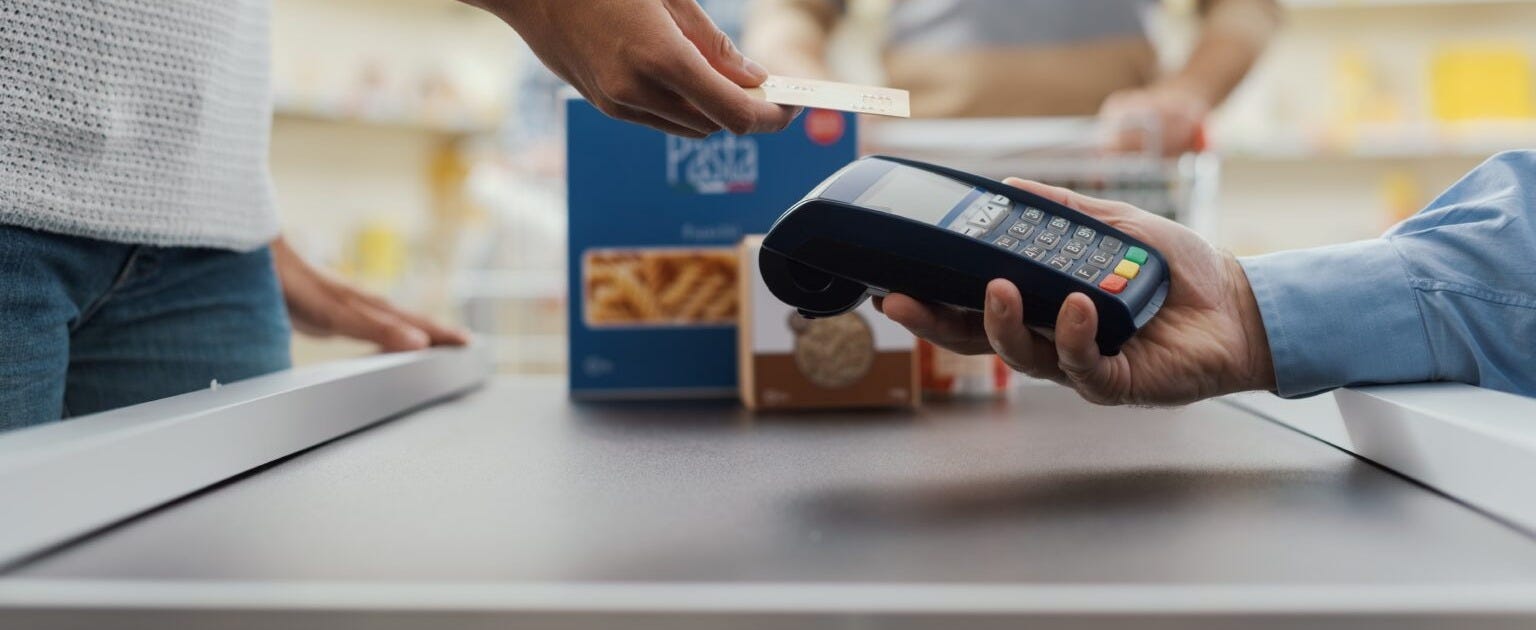
In a striking display of post-conflict elasticity, Israeli credit card spending shattered all historical records in May, surging 10.1% YoY to ₪52.41 billion. Rebounding dramatically from April's geopolitical suppression during Operation Roaring Lion, the daily spending average spiked nearly 12% to ₪1.69 billion. Crucially, physical point-of-sale transactions crossed the ₪700 million daily threshold for the first time on record, accompanied by ATM cash withdrawals exceeding ₪6 billion, a high not seen since August 2023.
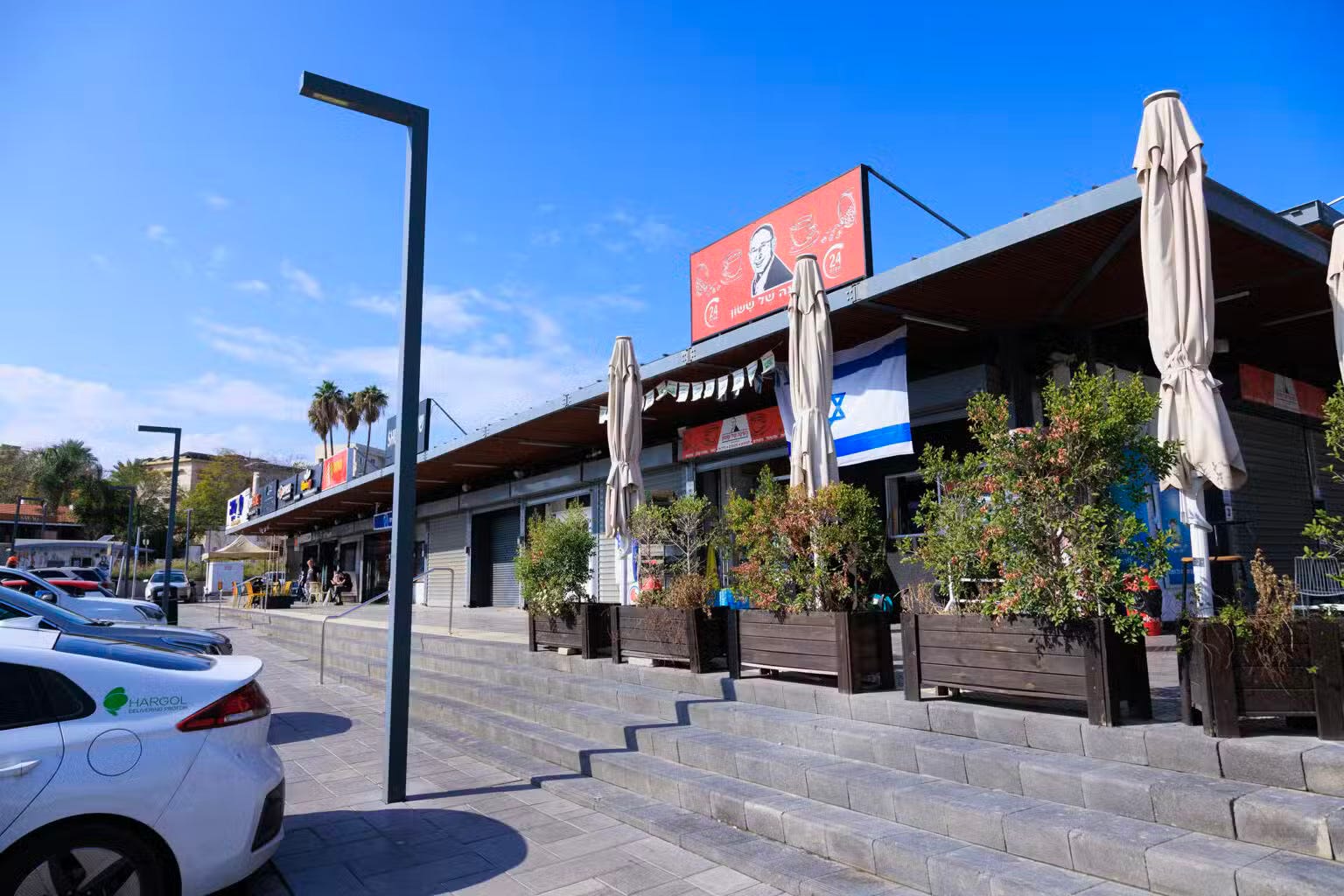
This consumption explosion is mirrored in corporate sentiment. The CBS May business survey confirms a rapid, broad-based recovery following the lifting of Home Front Command restrictions on May 9. The net balance for the industrial sector jumped to +26.6%, while the services sector swung violently from a deep April contraction to a positive 15%. June expectations indicate continued acceleration in manufacturing output and domestic orders. However, the hotel and tourism sector remains structurally paralyzed, grappling with a -65.2% net balance in tourist nights and severe revenue bleed.
Our take: The May macro data provides the ultimate rebuke to the narrative of consumer paralysis. Rather than retreating into cautious austerity during geopolitical shocks, the Israeli consumer operates as a highly rational actor, spending the moment physical restrictions are lifted. This phenomenon functions as a primary macroeconomic shock absorber. Yet, we must look beneath the aggregate top line: the staggering divergence between roaring domestic retail yield and the distressed, export-oriented tourism sector.
While the domestic consumer overcomes the friction of localized conflicts, the hospitality sector is trapped by the absolute collapse of inbound foreign capital. This dynamic exposes the risk of a two-track recovery where retail and services thrive and consolidate their pricing power, while outward-facing sectors suffer long-term structural decay.
Financials & FX
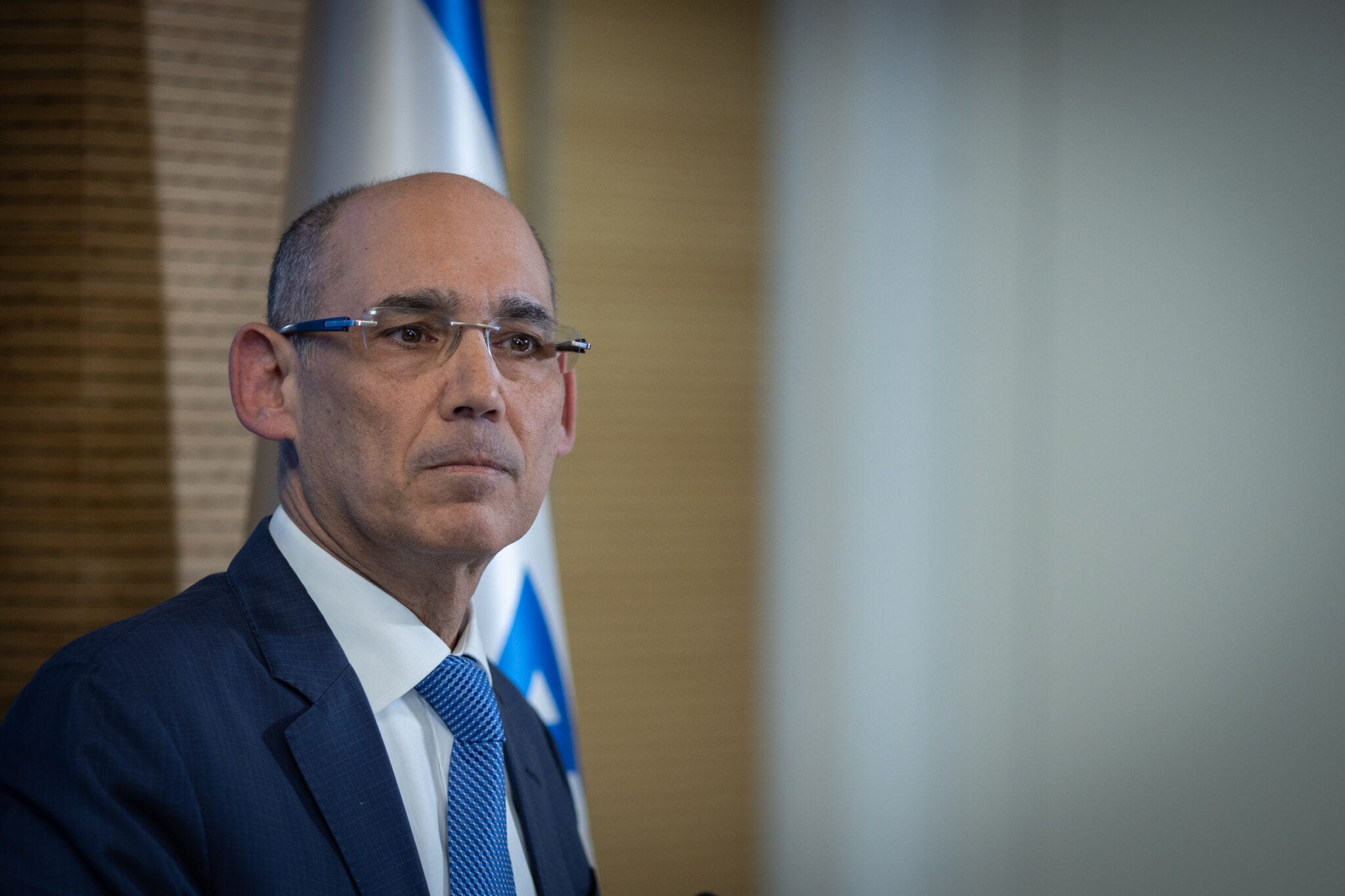
The Bank of Israel actively intervened in the foreign exchange market in May, executing a targeted $801 million dollar purchase to ensure "the continued regular activity of the markets." This surgical intervention, combined with the upward revaluation of existing assets, drove Israel’s total FX reserves up by $2.95 billion, closing the month at $238.68 billion. The central bank's stockpile now represents an imposing 37.2% of the national GDP, even after government FX activities drew down the balance by $721 million.
Our take: Governor Amir Yaron’s $801 million currency purchase is a textbook performative intervention, designed to signal absolute institutional sovereignty to global allocators rather than acting as a permanent pivot in monetary strategy. By aggressively defending liquidity during the geopolitical flashpoints of early May, the central bank is effectively neutralizing any speculative arbitrage against the shekel.
Maintaining reserves at 37.2% of GDP provides a critical macroeconomic buffer against the structural friction increasingly evident in the sovereign bond market. For institutional investors, this data point is paramount: the BoI is explicitly demonstrating that despite mounting fiscal deficits and wartime expenditures, it retains both the capital arsenal and the institutional resistance required to violently crush currency volatility and protect localized capital markets from external shocks.
Real Estate

Developer Matzlawi has secured a mandate for a ₪246 million urban renewal (Pinui-Binui) project in Ramat Gan. Selected by the existing rights holders, the firm will demolish 36 aging apartments across the Ben Gurion and Hameitar corridors, replacing them with a 133-unit, 15,440-square-meter residential complex. Matzlawi will retain approximately 97 units to market, forecasting total project costs at ₪200 million and an average ex-VAT sale price of ₪29,000 per square meter.
Our take: The Matzlawi mandate perfectly encapsulates the brutal economics of the Gush Dan real estate sector. With greenfield land virtually nonexistent in the core districts, mid-cap developers are forced into the capital-intensive, high-friction urban renewal pipeline. A projected ₪246 million top line against ₪200 million in costs leaves an incredibly tight operational margin, one highly vulnerable to interest rate spikes and supply chain disruptions.
Yet, because of immense regulatory layering and local zoning constraints, the underlying supply remains artificially constrained, guaranteeing inelastic demand. For investors, these urban renewal projects are no longer straightforward real estate plays; they are complex regulatory arbitrage operations. Success depends entirely on a developer’s ability to navigate municipal bureaucracy and outlast institutional resistance, cementing localized pricing power over the few remaining viable central assets.
If you enjoyed this update, forward it on.
TV10 Global | Israel for Investors
Bringing you the top stories from the Israeli business community, by Israel’s only business and finance network.
Share your thoughts with us via: global@tv10.co.il or the Newsroom WhatsApp: +972-55-994-5851.
📧 Subscribe to this newsletter! And follow the daily conversation on 𝕏 @tv10global.
Disclaimer: This brief is for informational purposes only and does not constitute investment advice. All data current as of publication date.