
🍿 Get our coverage on Spotify, and Youtube, too. Want to join the conversation? We’re on X
Quick takes:
Commodities & Trade: Israeli dairy yields maintain global dominance despite an 8.4% surge in producer value; The Israeli authorities thwarted a massive ₪20 million cigarette smuggling operation originating from Turkey.
Energy: NewMed Energy’s Q1 net profit essentially vanished following the 33-day war-induced shutdown of the Leviathan gas field.
Capital Markets: Bank Leumi distributed a ₪1.3 billion dividend; Isracard's net profit surged 540%; Max Stock posted a record ₪401 million in revenue.
Commodities & Trade

Ahead of the Shavuot holiday, the Central Bureau of Statistics (CBS) released its 2025 agricultural data, highlighting both record yields and persistent price inflation. Total domestic milk production rose 3.9% to 1.69 billion liters. Driven by structural efficiencies and advanced ag-tech, Israeli cows maintain the highest milk yield globally, averaging 12,647 kg per cow annually. The aggregate value of dairy to producers hit ₪4.3 billion, an 8.4% YoY increase, representing 11.1% of total agricultural output.
On the retail side, consumers felt the pricing friction. The average price for a liter of pasteurized milk stood at ₪7.27. Standard dairy staples also saw elevated price floors: a 250g tub of cottage cheese averaged ₪6.45, 250g of white soft cheese averaged ₪5.89, and 100g of yellow cow cheese hit ₪5.71. Meanwhile, domestic honey production plummeted 34.2% to 2,500 tons due to severe winter precipitation deficits, forcing the import of 2,900 tons to meet local demand.
Our take: The inflation in raw dairy prices (cow milk up 4.3%, sheep up 5.1% to the producer) underscores the persistent input cost pressures trapped within Israel's highly regulated agricultural sector. While Israeli ag-tech keeps yields at absolute global highs, climate friction, evidenced by the massive 34% drop in honey yields, and strict state-managed production quotas severely limit domestic supply elasticity. Ultimately, this structural lack of competition in the dairy sector prevents consumer prices from dropping, effectively passing the geopolitical and climate risk premiums directly onto the retail shopper.
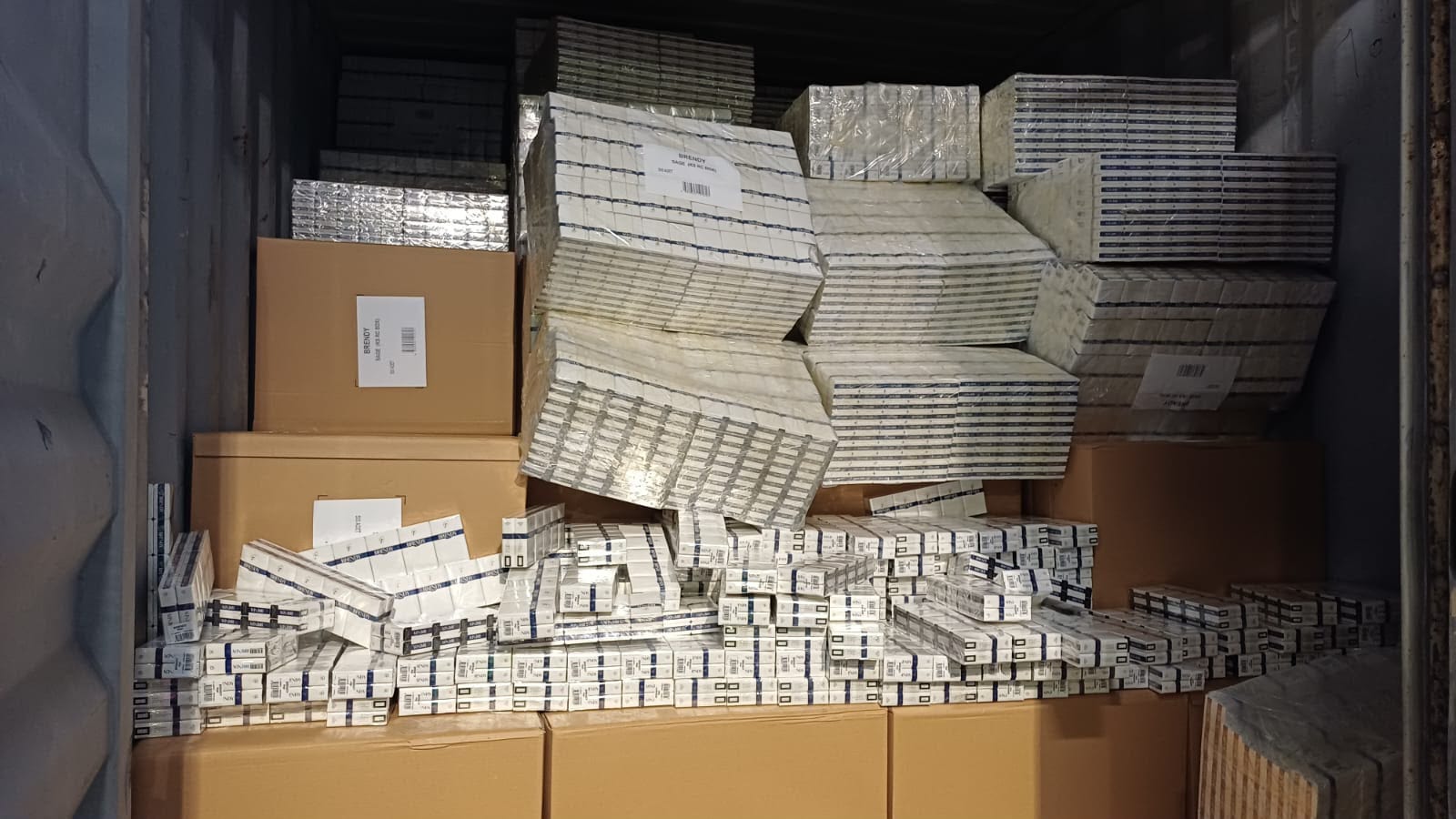
The Israel Tax Authority and Israel Police intercepted a massive smuggling operation at the Port of Ashdod, seizing ₪20 million worth of contraband cigarettes. The shipment, originating from Turkey, was falsely declared as household goods and intercepted en route to Judea and Samaria, highlighting escalating security and customs enforcement at strategic maritime entry points.
Our take: The ₪20 million smuggling interception at Ashdod is symptomatic of a broader macroeconomic shift. As legitimate trade channels with Turkey face politically motivated blockades and tariffs, grey-market arbitrage is accelerating to fill the vacuum. This forces the state to redirect capital toward customs enforcement, adding further friction to an already strained national supply chain.
Energy
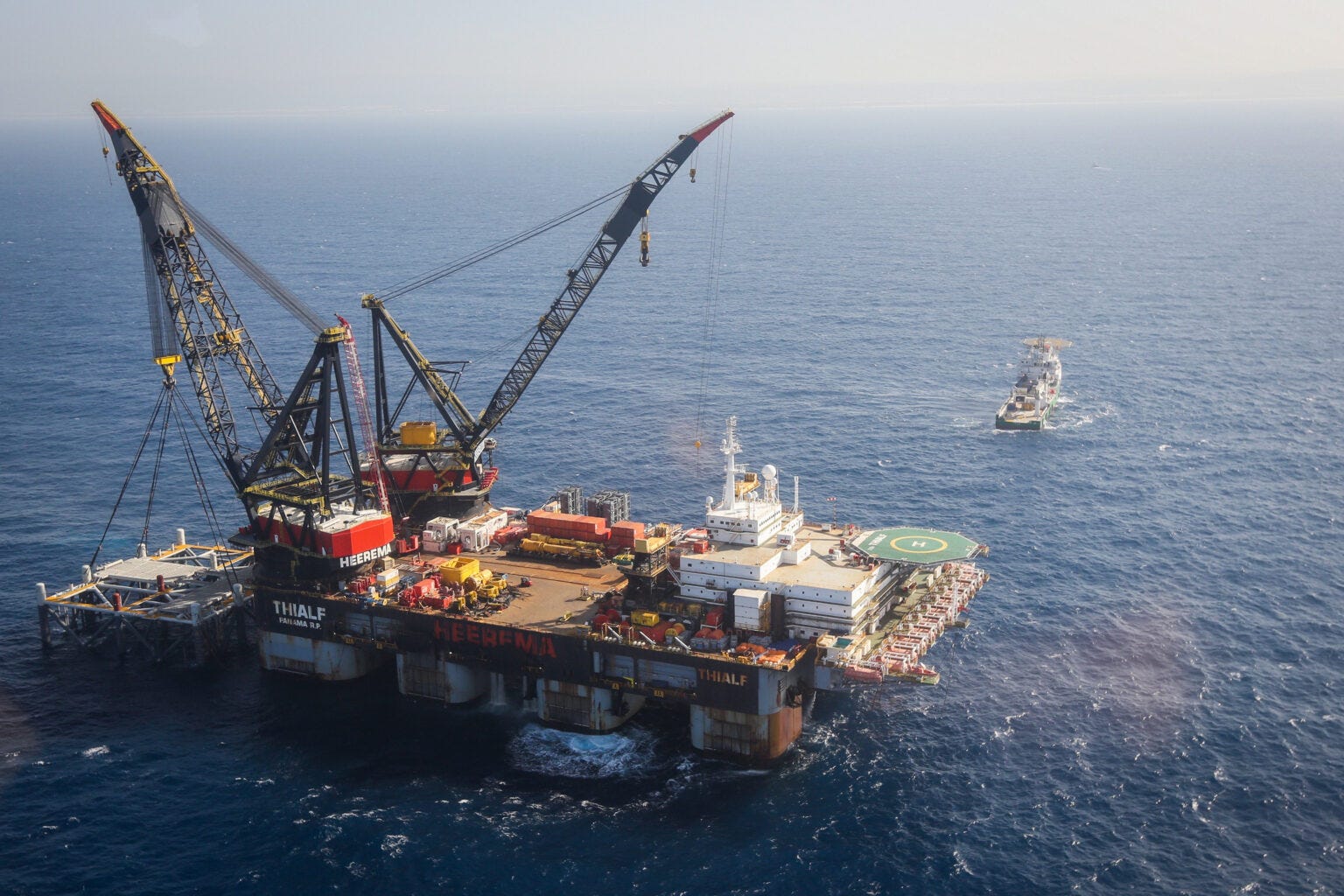
The geopolitical fallout from ‘Operation Roaring Lion’ delivered a severe blow to NewMed Energy’s (TASE: NWMD) Q1 2026 balance sheet. Upon directives from the Ministry of Energy and security officials, production at the Leviathan reservoir was halted for 33 days. Consequently, total revenue plunged 43% YoY to $164 million, and net profit was virtually wiped out, cratering 99.91% to a mere $100,000. This bottom-line collapse was exacerbated by a $74.4 million one-off write-down related to the Krum license in Bulgaria. Despite the dismal quarter, NewMed upgraded its 2026 revenue forecast by 13% to $2.88 billion, banking on a prolonged elevation in global Brent crude prices ($90-$100 per barrel) to which its export contracts are pegged.
Our take: The near-total wipeout of NewMed Energy’s Q1 net profit is a stark quantification of the geopolitical friction currently taxing the Israeli macroeconomy. The mandated 33-day shutdown of the Leviathan platform exposes a critical, structural vulnerability in domestic energy yields. However, the subsequent revenue forecast upgrade highlights a highly lucrative arbitrage opportunity for foreign institutional investors willing to stomach regional volatility.
Capital Markets
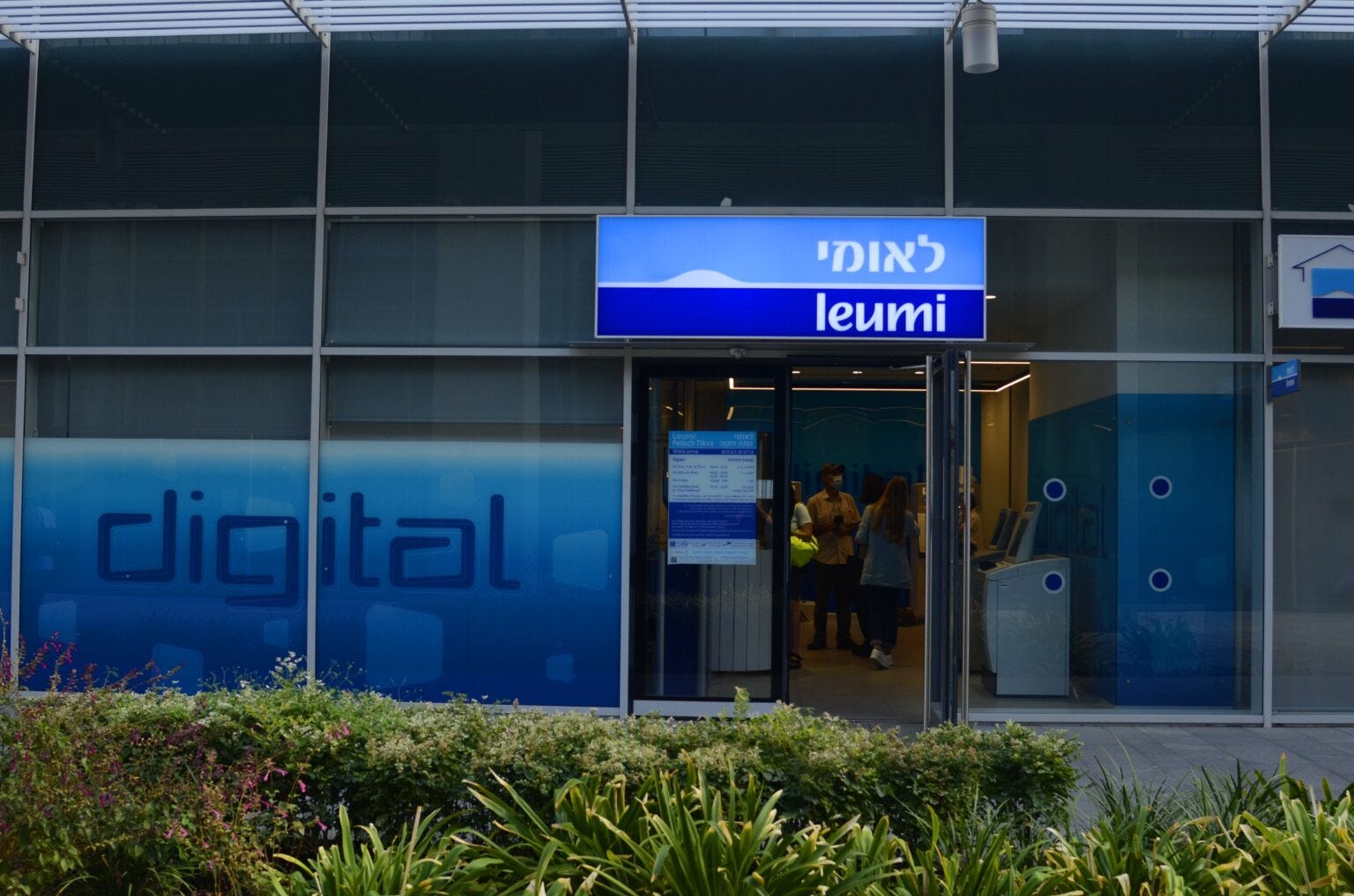
Israel’s legacy banking sector remains highly resilient. Bank Leumi (TASE: LUMI) reported Q1 2026 revenues of ₪5.46 billion (up 1.5% YoY) and a net profit of ₪2.3 billion. While profit dipped a marginal 2.4%, the bank successfully defended a robust 13.6% Return on Equity (ROE) and announced a massive ₪1.3 billion dividend distribution and share buyback program. Leumi’s corporate credit portfolio expanded by an aggressive 27.5% to ₪182.5 billion, while maintaining a remarkably low Non-Performing Loan (NPL) ratio of just 0.4%.
In the credit card sector, Isracard (TASE: ISCD) reported a 540% YoY surge in net profit to ₪45 million, largely due to the absence of prior-year one-off expenses. While total revenues remained flat at ₪850 million, dampened by a war-induced drop in outbound tourism, the firm expanded its credit portfolio by 20% to ₪12.4 billion. Isracard is aggressively pursuing M&A, securing a 10-year exclusive issuance deal with El Al’s FLY CARD and advancing a ₪400 million Memorandum of Understanding (MoU) to acquire the digital bank ‘esh’.
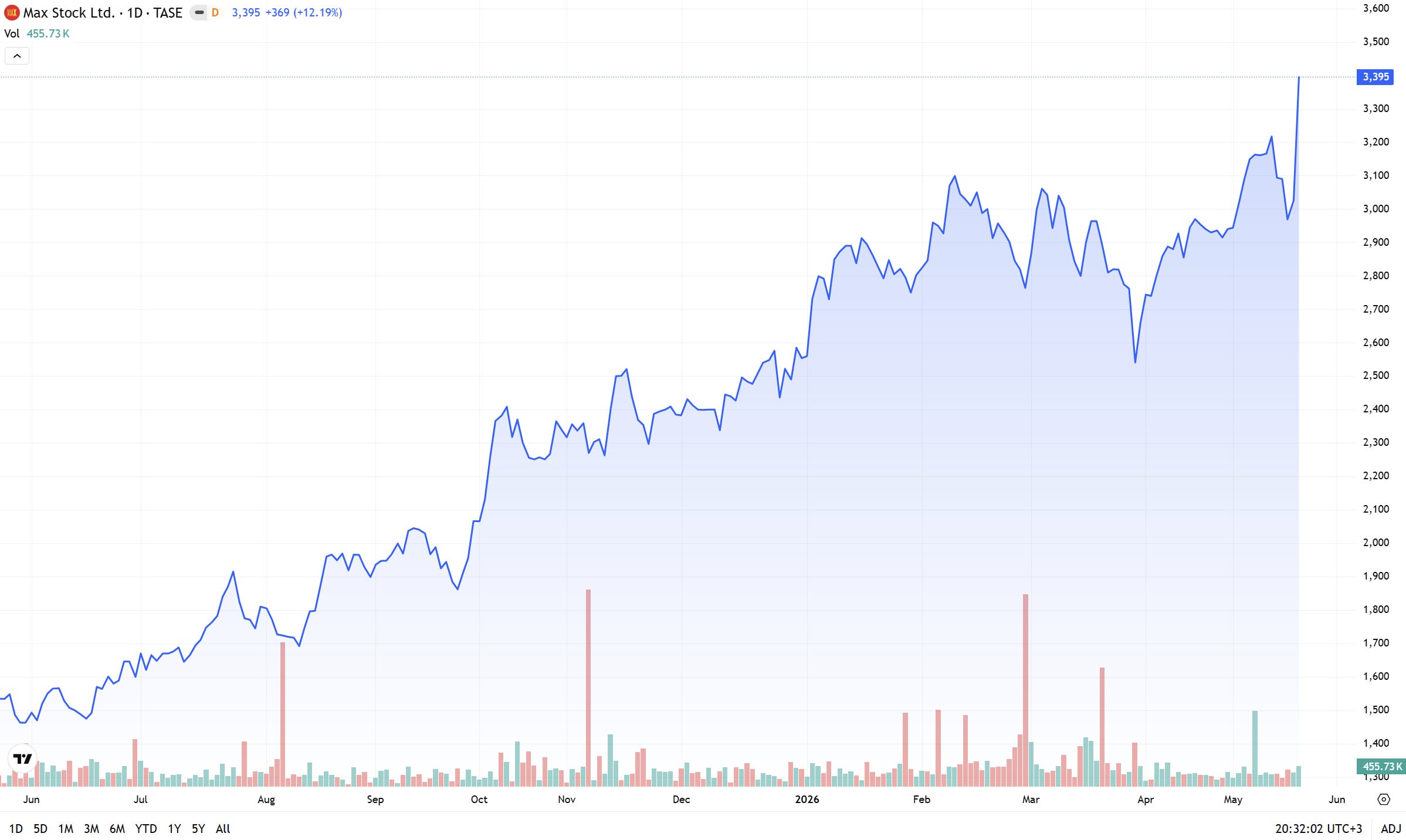
Meanwhile, discount retailer Max Stock (TASE: MAXO) capitalized on consumer price sensitivity, reporting a record ₪401 million in Q1 revenue (up 18% YoY). Net profit jumped 57% to ₪50 million, with gross margins expanding to 45.6% on the back of favorable USD hedging and reduced shipping costs. The stock surged 12.19% yesterday after reporting the earnings.
Our take: Despite intense macroeconomic headwinds, Israel’s financial sector continues to extract formidable returns. Bank Leumi’s ability to defend a 13.6% ROE and distribute outsized dividends underscores the entrenched pricing power of legacy incumbents, easily outpacing many OECD peers struggling with core deposit flight. However, Isracard’s aggressive M&A maneuvering signals a direct, structural assault on this institutional resistance. By attempting to acquire ‘esh’, Isracard is looking to convert its 4.76 million active cardholders into a full-fledged deposit-taking ecosystem, directly threatening traditional banking profit pools.
On the retail front, Max Stock’s 57% net profit surge is a macroeconomic tell. As core inflation, sticky interest rates, and war-induced friction erode domestic disposable income, the Israeli consumer is aggressively downtrading. This behavioral shift away from premium retail toward discount big-box operators is driving record gross margins for the sector, proving that in a high-friction environment, the consumer arbitrage lies in the discount aisle.
TASE snapshot for Wednesday, May 20, 2026
TA-35 Index (TASE:TA35): 🟢 +1.94%
TA-90 (TASE:TA90):🟢+1.05%
TA-125 (TASE:TA125): 🟢 +1.73%
If you enjoyed this update, forward it on.
TV10 Global | Israel for Investors
Bringing you the top stories from the Israeli business community, by Israel’s only business and finance network.
Share your thoughts with us via: global@tv10.co.il or the Newsroom WhatsApp: +972-55-994-5851.
📧 Subscribe to this newsletter! And follow the daily conversation on 𝕏 @tv10global.
Disclaimer: This brief is for informational purposes only and does not constitute investment advice. All data current as of publication date.