

Hadas Greenberg February 2, 2026
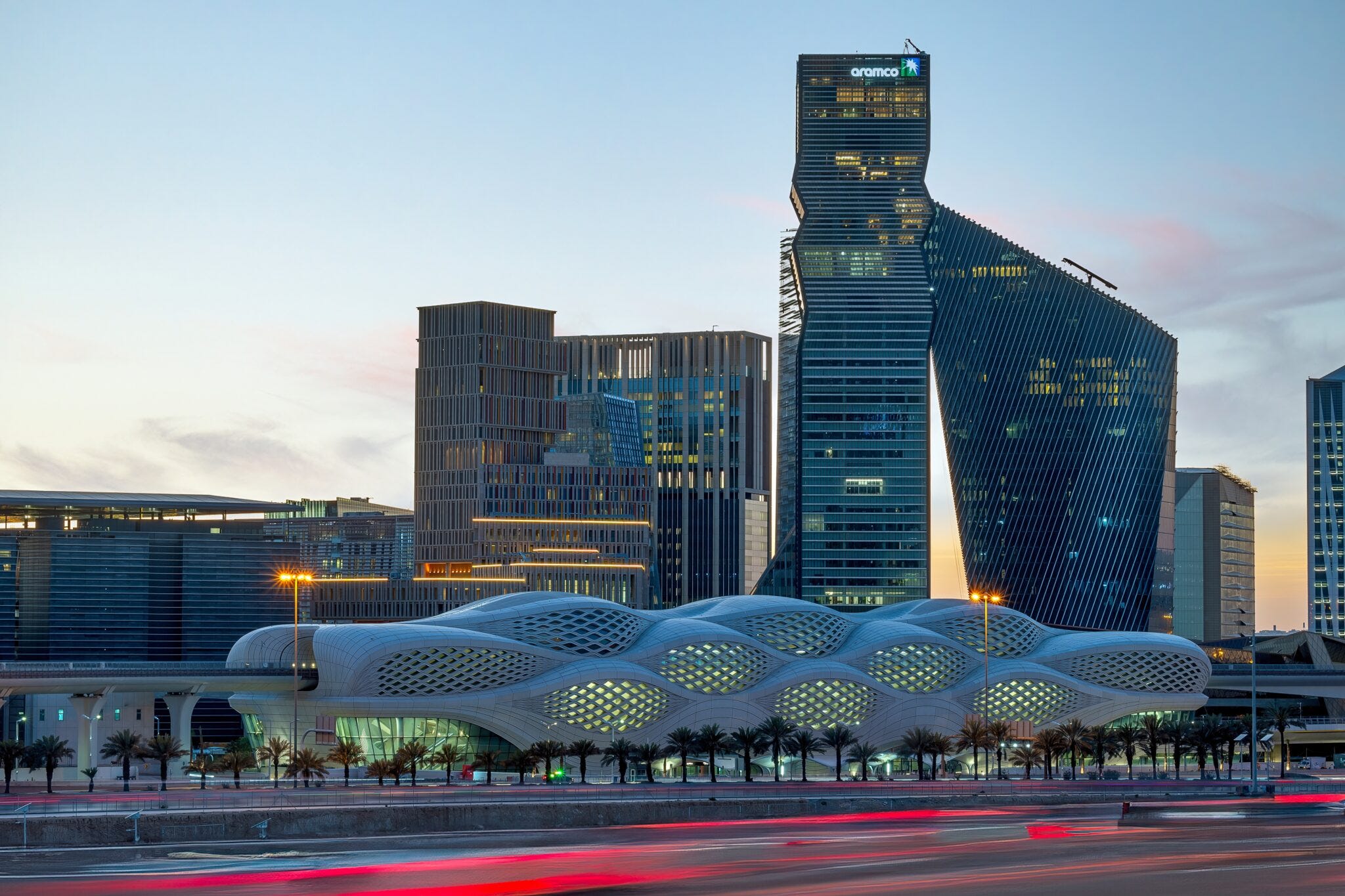
In just a few months, Saudi Arabia has frozen rents, opened property ownership to foreigners, relaxed alcoholic beverage regulations, and opened its stock market to investors worldwide.
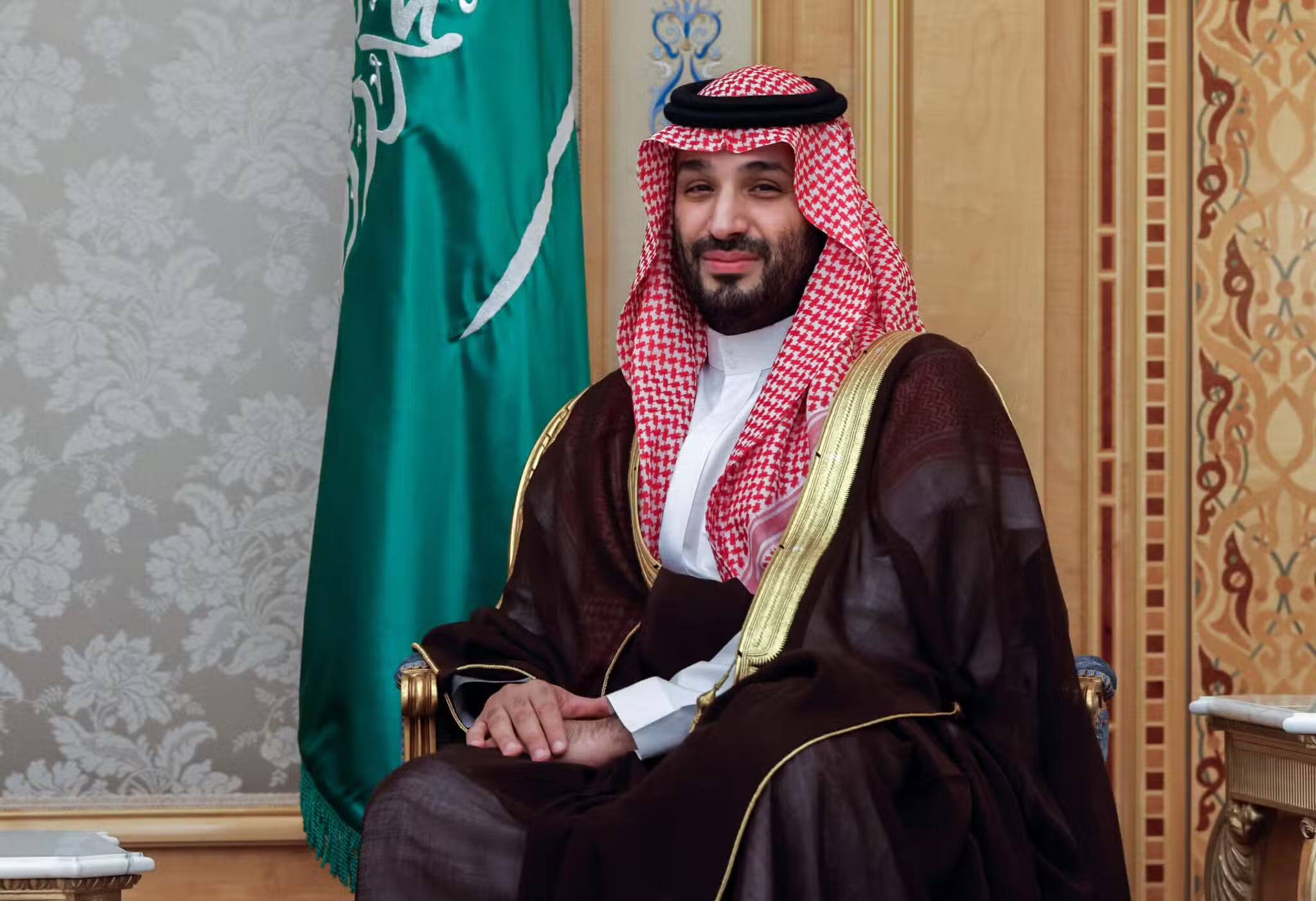
These moves come as Crown Prince Mohammed bin Salman seeks to transform the country into a prime investment destination and compete with neighboring Dubai. They also signal how the Gulf state is navigating oil price volatility and budget deficits that threaten to slow progress on its massive $2 trillion economic diversification plan.
An influx of foreign cash would help companies expand, drive infrastructure financing, and lighten the government’s investment burden. Crucially, it could alleviate financial pressure.
Saudi Arabia has been in a fiscal deficit since 2022, with expenditures outstripping revenues, and has recorded a current account deficit for five consecutive quarters. This situation has led to more aggressive borrowing and a further pullback on so-called “mega-projects.” Slower credit growth is also adding to the strain.
Brent crude briefly crossed the $70 per barrel mark last week for the first time in months, only to begin sliding again today. The recent spike in oil prices illustrates just how quickly Saudi Arabia’s fortunes can shift. Concurrently, geopolitical tensions between the U.S. and Iran, which have driven price fluctuations, threaten to damage the Middle East’s appeal as an investment target.
With a population of approximately 35 million, the majority under the age of 35, and a $1 trillion sovereign wealth fund, Saudi Arabia’s growth potential has already captured global attention. However, the Kingdom needs to raise additional capital to diversify its economy across sectors ranging from tourism to technology and mining.