
🍿 Get our coverage on Spotify, and Youtube, too. Want to join the conversation? We’re on X
Quick takes:
Macro: The Water Authority allocates an additional 36 million cubic meters to northern farmers.
Fintech: Fintech firm Blender partners with Q2 Software to deploy cloud-based banking infrastructure.
Energy & Infrastructure: Navitas Petroleum transitions into a massive cash generator with $188.2M in Q1 EBITDA; Tzachi Abu executes a reverse takeover of Turbogen; Electra Group revenues climb 14.2% to ₪3.85 billion.
Retail: BIG Shopping Centers reports a 7% revenue jump to ₪677 million and accelerates its geographic pivot toward Eastern Europe.
Macro
Despite expectations that the Bank of Israel’s recent interest rate cut would halt the currency’s appreciation, the Israeli shekel strengthened significantly today against major foreign currencies.
US Dollar (USD): The representative rate dropped 1.651% to NIS 2.859/$, and fell even further to NIS 2.824/$ during late afternoon inter-bank trading.
Euro (EUR): The representative rate dropped 1.571% to NIS 3.326/€, continuing its slide to NIS 3.301/€ later in the day.

The Water Authority, in coordination with the Ministries of Agriculture and Energy, has authorized a critical supplementary allocation of 36 million cubic meters of water for farmers in the Upper Galilee and Golan Heights. Specifically, 24 million cubic meters are designated for the Upper Galilee, 7 million for the Golan, and 5.7 million for peatland irrigation. Officials noted that Israel’s heavy investments in desalination and wastewater reclamation have provided the systemic flexibility required to boost agricultural allocations despite recent climate volatility and the ongoing disruptions of the northern conflict.
Our take: This supplementary water allocation is a direct state subsidy engineered to counter severe geopolitical and climate friction. By artificially lowering the input costs of water, the most critical manufacturing component in agriculture, the government is attempting to ensure domestic supply chain continuity and food security. However, this relies entirely on massive capital expenditures previously sunk into national infrastructure, proving that technological self-reliance is the ultimate long-term hedge against regional instability.
Fintech
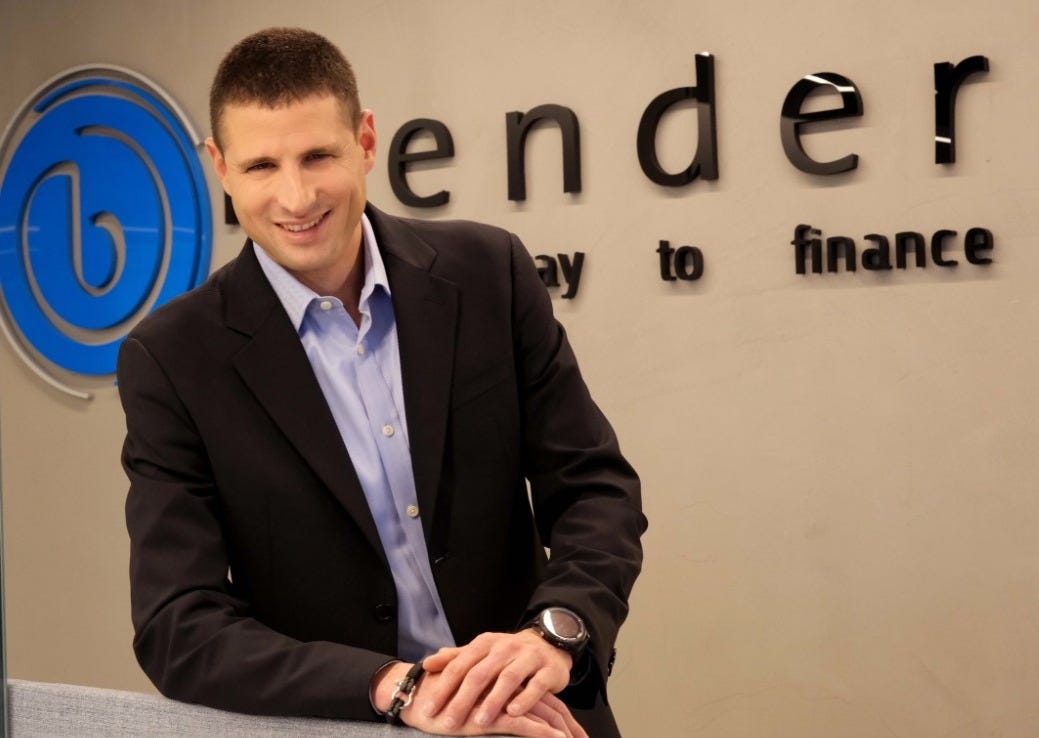
Israeli fintech operator Blender Financial Technologies signed a strategic partnership with US-based Q2 Software to launch the Q2 Symphonix cloud platform in the domestic market. The joint venture aims to offer an end-to-end, cloud-based infrastructure for managing credit, deposits, and digital payments. The target clientele includes local banks, non-bank lenders, and credit card companies seeking to accelerate the deployment of modern core banking systems, API integrations, and automated underwriting.
Our take: Blender’s integration of Q2’s cloud infrastructure is a highly strategic maneuver designed to bypass the institutional resistance of Israel's legacy banking oligopoly. As the Bank of Israel actively lowers barriers for non-bank entities to capture retail deposits, the primary hurdle for new entrants is the crushing capital expenditure required to build compliant core banking IT. By offering a localized, plug-and-play cloud infrastructure, Blender is actively commoditizing the backend, providing alternative credit funds the operational runway needed to capture domestic deposits and compete directly with Tier-1 banks on yield.
Energy & Infrastructure

Navitas Petroleum reported a staggering first quarter, officially transitioning its balance sheet from a development phase into aggressive cash generation. Driven by the commercial launch of the Shenandoah project, which produced 59.1k barrels per day, quarterly revenues skyrocketed to $238 million from just $17.6 million a year ago, with EBITDA hitting $188.2 million. The firm utilized this cash flow to execute a massive $1.35 billion Reserve Based Lending (RBL) refinancing.
Domestically, decentralized energy firm Turbogen is finalizing a transformative reverse takeover spearheaded by businessman Tzachi Abu. Turbogen will acquire a 50% stake in defense-tech integrator Elbatech, valued at roughly ₪1.2 billion, in exchange for newly issued shares granting Abu a 55% controlling stake.
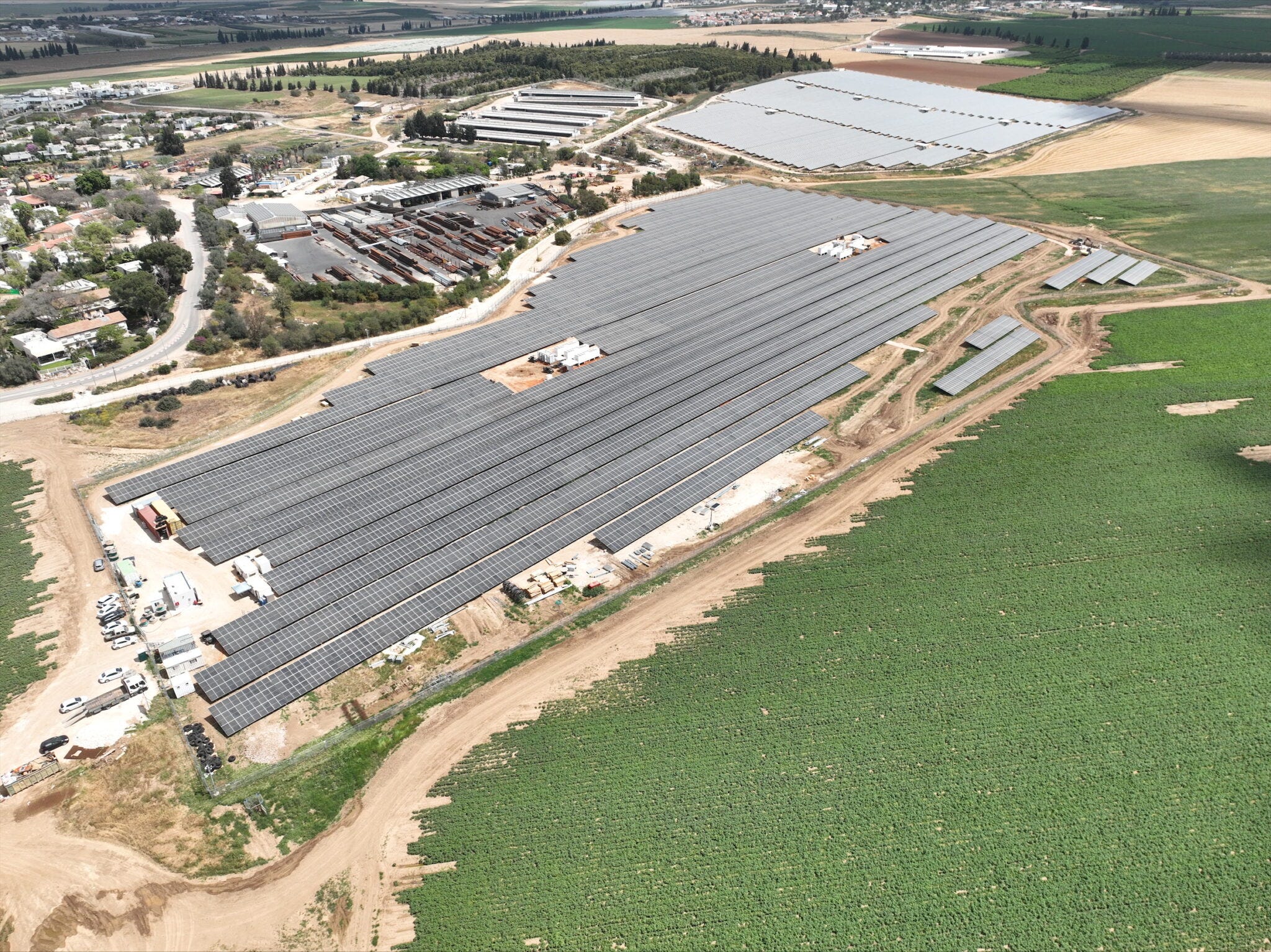
In the broader industrials space, infrastructure giant Electra Group (TASE: ELTR) reported a 14.2% jump in Q1 revenue to ₪3.85 billion. While net profit dipped slightly to ₪60 million due to the fallout from ‘Operation Roaring Lion,’ gross profit expanded by 9.7% to ₪260 million. The company remains insulated by a monumental ₪39.4 billion project backlog. Continuing its strategy of vertical integration, Electra acquired 51% of local logistics firm A.R.D for ₪71 million and completed the 100% buyout of two American electrical contracting firms in New York.
Our take: The evolution of Navitas highlights the sheer yield potential of deepwater assets. Despite geopolitical friction forcing the firm to relocate FPSO upgrades to Southeast Asia at an added cost of $45 million, the massive EBITDA generation demonstrates a highly successful operational arbitrage leveraging global oil prices.
Domestically, Tzachi Abu’s takeover of Turbogen and Electra’s massive backlog underscore a broader industrial consolidation. As legacy giants like Electra bypass the traditional construction oligopoly by vertically integrating into logistics and American electrical contracting, they are building resilient moats. Similarly, Abu’s reverse takeover injects lucrative defense integration cash flows into the capital markets without the friction of an IPO, allowing Turbogen to capture superior domestic market share in decentralized power grids.
Retail
BIG Shopping Centers (TASE: BIG) delivered robust Q1 2026 results, with total revenues climbing 7% YoY to ₪677 million. Management intentionally absorbed ₪19 million in wartime rent relief to support domestic tenants during Operation Roaring Lion, which contributed to a 30% drop in operating profit against a high baseline from last year's land revaluations. Nevertheless, backed by a ₪13.38 billion equity base and ₪1.7 billion in cash, the board authorized a ₪225 million dividend. Operationally, BIG is accelerating its geographic rotation: liquidating a US asset for $103 million to aggressively fund expansion in Poland, where it expects to hold 20 yielding properties within a year, while concurrently building Israel's largest mall in Petah Tikva.
Our take: BIG Shopping Centers’ Q1 print is a textbook example of geographical arbitrage. By intentionally absorbing domestic rent relief, BIG is purchasing long-term tenant loyalty and stabilizing its Israeli base against short-term macroeconomic volatility. Simultaneously, liquidating US real estate at a premium to fund aggressive Polish expansion bypasses the institutional resistance and saturation found in Western markets. This dual-track strategy optimally positions the firm to extract superior yield from Eastern Europe's growing consumer class while defending its core domestic portfolio.
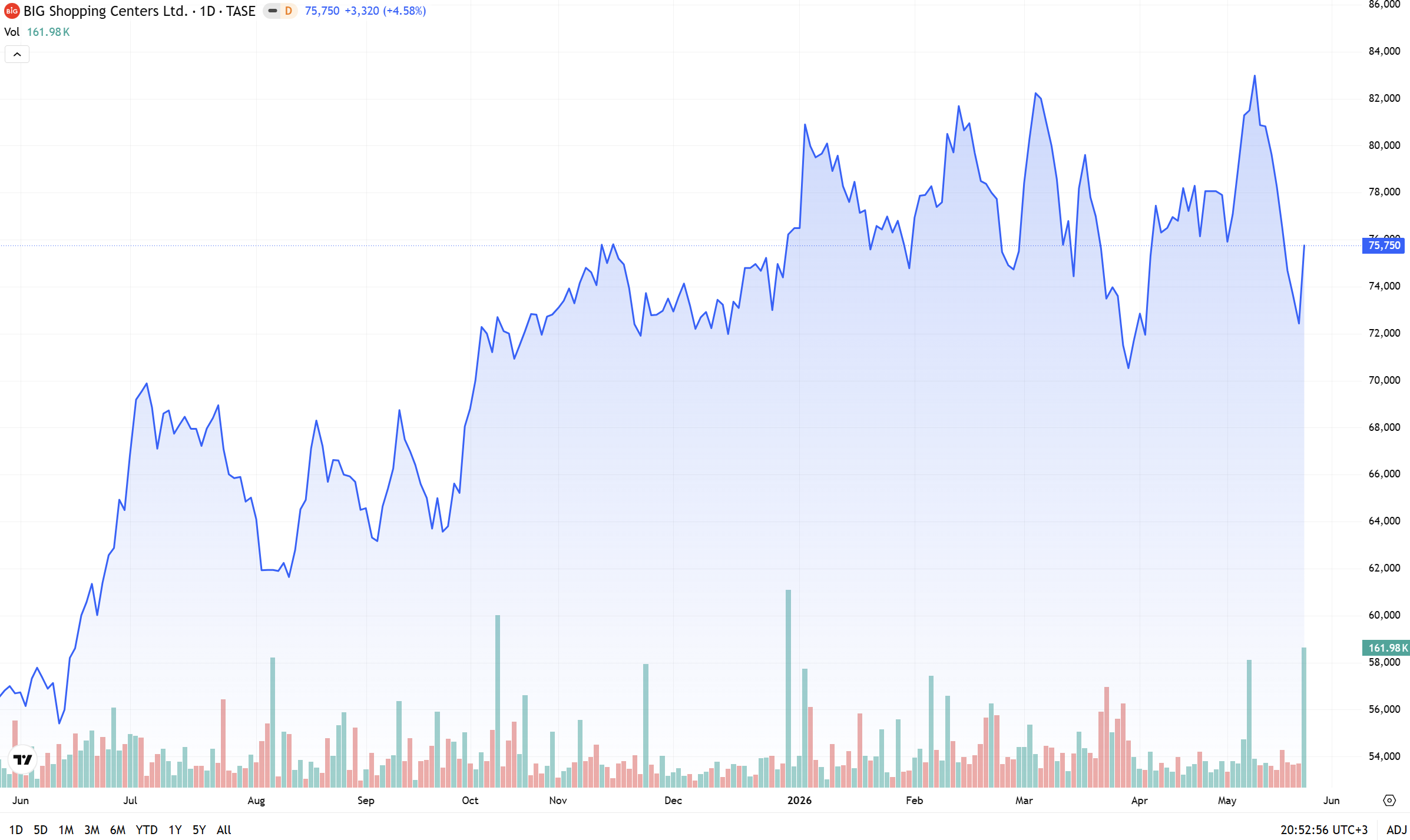
TASE snapshot for Tuesday, May 26, 2026
TA-35 Index (TASE:TA35): 🔴 -0.96%
TA-90 (TASE:TA90): 🔴-1.37%
TA-125 (TASE:TA125): 🔴 -1.01%
If you enjoyed this update, forward it on.
TV10 Global | Israel for Investors
Bringing you the top stories from the Israeli business community, by Israel’s only business and finance network.
Share your thoughts with us via: global@tv10.co.il or the Newsroom WhatsApp: +972-55-994-5851.
📧 Subscribe to this newsletter! And follow the daily conversation on 𝕏 @tv10global.
Disclaimer: This brief is for informational purposes only and does not constitute investment advice. All data current as of publication date.