
🍿 Get our coverage on Spotify, and Youtube, too. Want to join the conversation? We’re on X
Quick takes:
Macro & Fiscal: Israel's 12-month trailing deficit stabilized at 3.75% of GDP amid ₪48.2B in May revenues; simultaneous Ministry of Agriculture interventions are successfully maintaining supply chain fluidity despite geopolitical shocks.
Consumer Sentiment: The CBS Consumer Confidence Index improved slightly to -16%.
Markets: TASE CEO Itai Ben-Zeev is orchestrating a distressed asset play, negotiating the acquisition of relegated football club Hapoel Hadera.
Macro & Fiscal
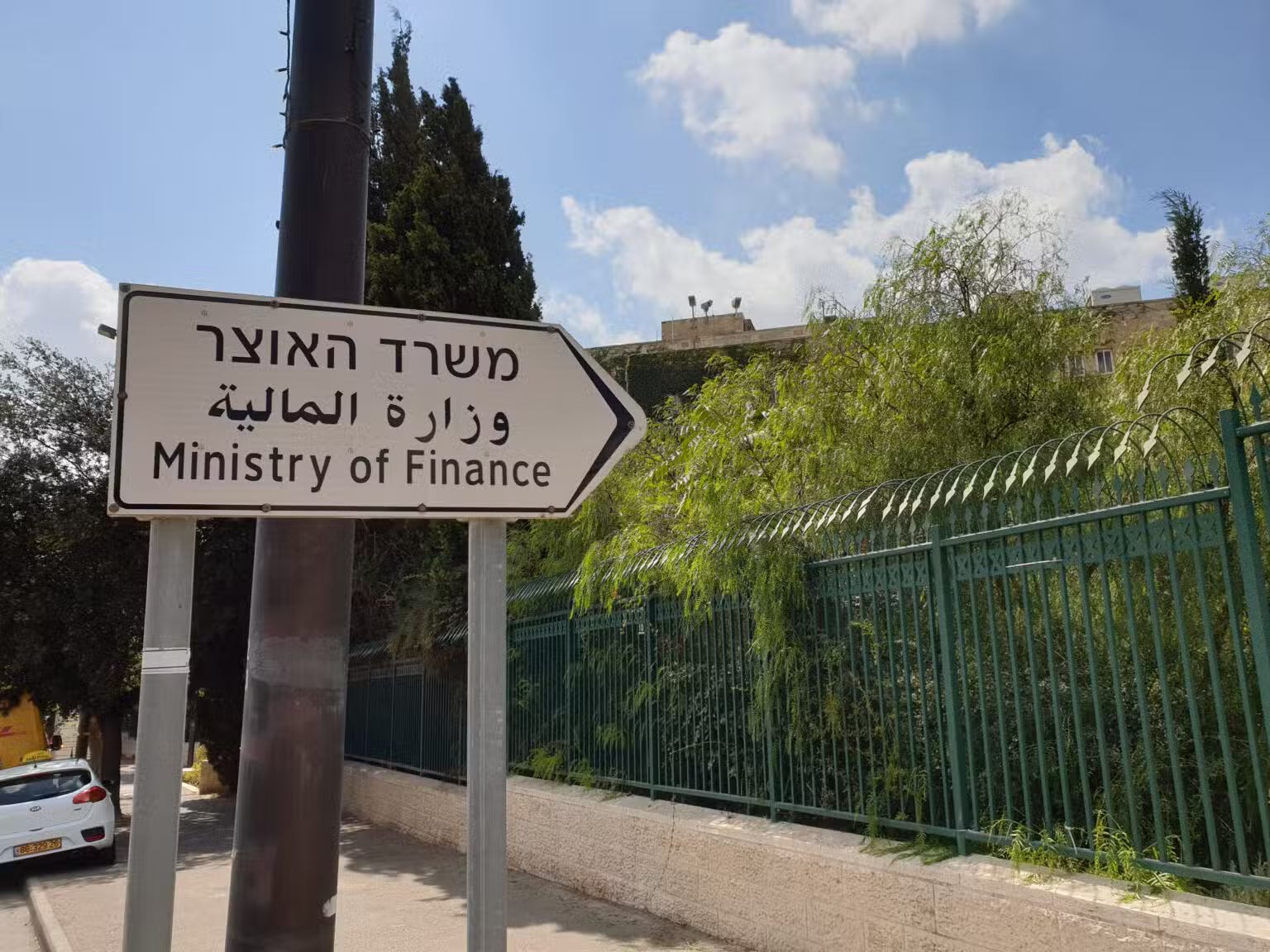
The Ministry of Finance reported an ₪8.3 billion fiscal deficit for May, keeping the 12-month trailing deficit relatively contained at 3.75% of GDP, a marginal 0.05% YoY contraction. State revenues demonstrated sustained resilience, hitting ₪48.2 billion for the month and bringing year-to-date collections to ₪261.3 billion (an 8% YoY increase). Government expenditures totaled ₪56.5 billion for May.

Concurrently, total import value surged by 26% YoY to $9.7 billion, driven by favorable currency fluctuations and a massive 38.3% YTD spike in commercial vehicle imports. To manage this inward flow of goods amid the Operation Roaring Lion military escalation, the Ministry of Agriculture activated a continuous situation room, explicitly prioritizing the unloading of grain and feed at Israeli seaports to guarantee food security.
Our take: The stabilization of the trailing deficit at 3.75% is a testament to the sheer tax-generating power of the Israeli corporate sector, which continues to generate substantial tax yield despite severe geopolitical friction. However, the 26% surge in import values underscores a persistent structural vulnerability. Israel remains heavily reliant on imported goods, making the local economy highly sensitive to FX volatility and maritime supply chain disruptions.
The Ministry of Agriculture’s forced prioritization of grain shipments at the ports is a classic example of state intervention required to break through the institutional resistance of standard port logistics during a crisis. For foreign investors, the fiscal data indicates that while the sovereign baseline remains intact, the underlying import oligopoly and reliance on foreign supply lines continue to extract a heavy toll on domestic pricing power, necessitating constant, heavy-handed government oversight to prevent supply shocks.
Consumer Sentiment

The CBS Consumer Confidence Index for May registered a slight recovery to -16%, rebounding from April's -20% trough. Delving into the microdata reveals a stark psychological bifurcation: Israelis are surprisingly optimistic regarding their personal financial prospects over the next 12 months (crossing into positive territory at +1%), yet remain overwhelmingly pessimistic (-23%) regarding the broader national economy. Consequently, the willingness to make large capital purchases remains severely depressed at -26%.
Our take: The CBS data perfectly illustrates the psychological friction currently defining the Israeli consumer base. By projecting personal financial resilience while simultaneously rejecting the national economic narrative, the consumer is signaling a profound lack of faith in centralized fiscal policy. They are choosing to hoard capital rather than deploy it into large-ticket purchases, a behavior that starves domestic retailers of high-margin yield and reinforces the pricing power of the local supermarket oligopoly, as spending aggressively concentrates on non-discretionary staples.
Markets

In corporate news, TASE CEO Itai Ben-Zeev, who holds a 3.64% stake in the exchange valued at approximately ₪500 million, is in advanced negotiations to acquire the relegated Liga Alef football club Hapoel Hadera through a newly formed non-profit entity. Partnering with former Hapoel Beer Sheva CEO Assi Rahamim, Ben-Zeev aims to restructure the struggling sports franchise, which completed its second consecutive relegation after accumulating only 32 points in 37 games. The transition to a non-profit acquisition vehicle has garnered the official backing of Hadera Mayor Nir Ben-Chaim.
Our take: Ben-Zeev's move to acquire a distressed sports asset highlights an emerging trend among Israeli financial elites. By utilizing non-profit structures for distressed acquisitions, executives are effectively engaging in a form of social arbitrage, rebuilding localized municipal assets and generating immense public goodwill, entirely bypassing the aggressive tax and regulatory institutional resistance typically associated with traditional, for-profit corporate buyouts.
TASE snapshot for Tuesday, June 9, 2026
TA-35 Index (TASE:TA35): 🔴 -1.15%
TA-90 (TASE:TA90): 🔴 -0.62%
TA-125 (TASE:TA125): 🔴 -0.97%
If you enjoyed this update, forward it on.
TV10 Global | Israel for Investors
Bringing you the top stories from the Israeli business community, by Israel’s only business and finance network.
Share your thoughts with us via: global@tv10.co.il or the Newsroom WhatsApp: +972-55-994-5851.
📧 Subscribe to this newsletter! And follow the daily conversation on 𝕏 @tv10global.
Disclaimer: This brief is for informational purposes only and does not constitute investment advice. All data current as of publication date.