

🍿 Get the Daily on Spotify, too
Quick takes:
Energy: Brent crude breaches $115 as the Strait of Hormuz chokepoint forces Gulf producers into production cuts, but the G7 holds the line, declining to deploy emergency strategic reserves.
Cyber & Tech: Israel absorbs a wave of Iranian data-wiping attacks without critical failure, while allied forces leverage advanced AI models to exponentially compress the kinetic kill-chain.
Regulations: The Ministry of Finance engineers a structural labor backstop, socializing wartime displacement risk to prevent a cascade failure in consumer credit.
Editor’s Note
When an adversary loses conventional kinetic parity, the battlefield inevitably migrates. Unable to alter Israel’s macroeconomic reality through ballistic exchanges, Tehran has pivoted to asymmetric attrition. The objective is no longer sheer destruction, but a calculated assault on the sovereign balance sheet. By deploying data-wiping campaigns and psychological warfare, the goal is to fracture domestic cohesion, degrade institutional trust, and artificially manufacture a prohibitive risk premium.
For global allocators, this non-linear warfare is the ultimate stress test of regional risk models. We are watching a historic divergence in real-time: the Persian Gulf is buckling under a purely physical vulnerability as petrodollar logistics choke at the Strait of Hormuz. Conversely, Tel Aviv is absorbing an invisible siege, defending its corporate continuity against state-sponsored digital sabotage.
This marks a structural evolution in how markets underwrite sovereign debt and equity. The ultimate test of a nation’s creditworthiness is no longer just shielding its geographic borders, it is the absolute capacity to insulate its macroeconomic architecture from systemic subversion.
Energy
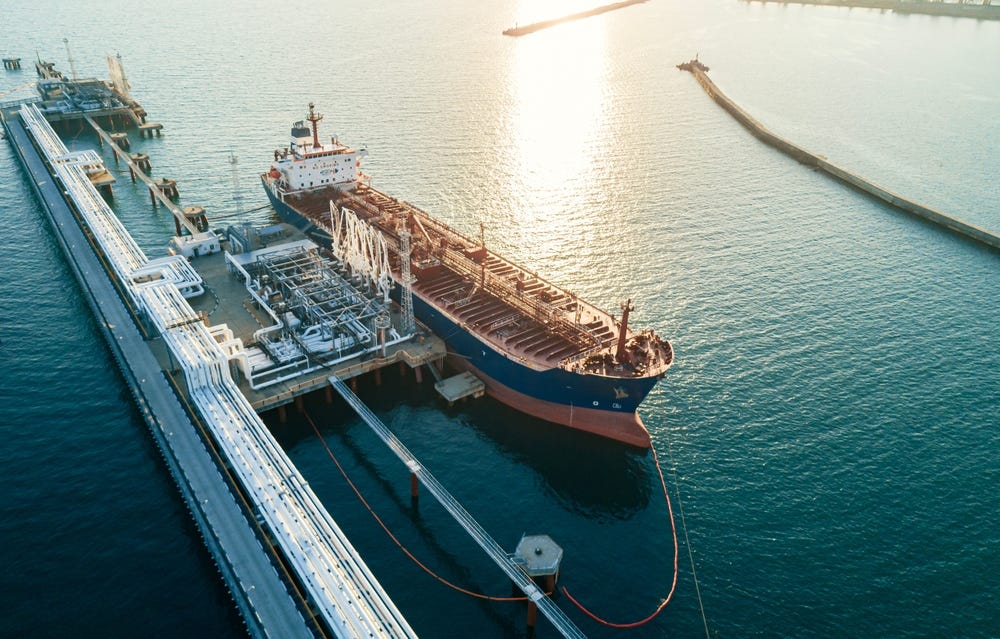
Global energy markets have entered a severe contagion phase. Brent Crude surged 23% to $115.60 per barrel, while WTI rocketed 25% to $113, marking the steepest futures climb since 1983. The catalyst is not a fundamental lack of subterranean supply, but a systemic logistical failure. With the Strait of Hormuz, effectively uninsurable due to the Iranian threat, transit has ground to a halt.
This chokepoint is exposing the core vulnerability of the Gulf’s macroeconomic architecture. Kuwait and the UAE are initiating preemptive production cuts not out of OPEC quota compliance, but due to hard physical limits: they are running out of storage capacity for un-exportable crude.

This inflationary shock was severe enough to force global central planners to the table, but in a stunning pivot today, G7 Finance Ministers and the IEA opted against a coordinated release of emergency strategic petroleum reserves. Despite leaked drafts indicating a potential injection of up to 400 million barrels, the coalition balked at liquidating their doomsday stockpile. While US President Donald Trump insists on Truth Social that this price spike is merely a temporary premium for dismantling Tehran's nuclear apparatus, global capital markets are bleeding as they are now forced to price in an unmitigated, prolonged supply-side contagion without a global backstop.
Our take: The Gulf's sovereign wealth model is currently unhedged against extreme tail risk. If your primary economic engine can be paralyzed by kinetic friction in a 21-mile-wide strait, your regional stability is an illusion. Institutional capital is realizing that the Gulf states are inheriting a massive instability tax. When the G7 is forced to liquidate a third of its doomsday reserves just to keep the global economy afloat, the underlying value of secure, internally sufficient energy infrastructure undergoes a permanent structural re-rating.
Cyber & Tech

In Israel, the non-kinetic theater is currently exposing a staggering asymmetric technology gap. Over the weekend, the Israeli National Cyber Directorate successfully contained a coordinated wave of Iranian cyberattacks aimed at wiping corporate data and disrupting the home front. Crucially, the attackers relied on archaic credential-stuffing techniques, failing to penetrate any critical infrastructure.
But the true contrast lies in the aftermath. While Israel maintained absolute, uninterrupted digital continuity under fire, the panic in Tehran prompted the regime to pull the plug on its own people, plunging 88 million citizens into a digital dark age. With NetBlocks reporting domestic internet traffic operating at a mere 1% of baseline capacity, this blackout is not a technical failure, it is an engineered information quarantine reminiscent of North Korea.
By severing its domestic population from the global network, Tehran is attempting to monopolize the geopolitical narrative. The shutdown serves a dual strategic purpose: it entirely isolates Iranian citizens from external realities to suppress domestic fracturing, while simultaneously allowing the state apparatus to manufacture and export weaponized propaganda to Western markets without the friction of ground-truth contradiction. It is the ultimate paradox of this conflict: unable to black out Tel Aviv, the Iranian regime blinded itself.
Our take: Israel is proving its absolute shock absorption in real-time. Global capital is watching a sovereign state simultaneously execute a highly complex, AI-driven offensive while perfectly defending its domestic enterprise architecture from state-level cyber warfare. By demonstrating total digital resilience while adversaries resort to domestic blackouts, Tel Aviv is permanently shedding its geopolitical discount.
Regulation
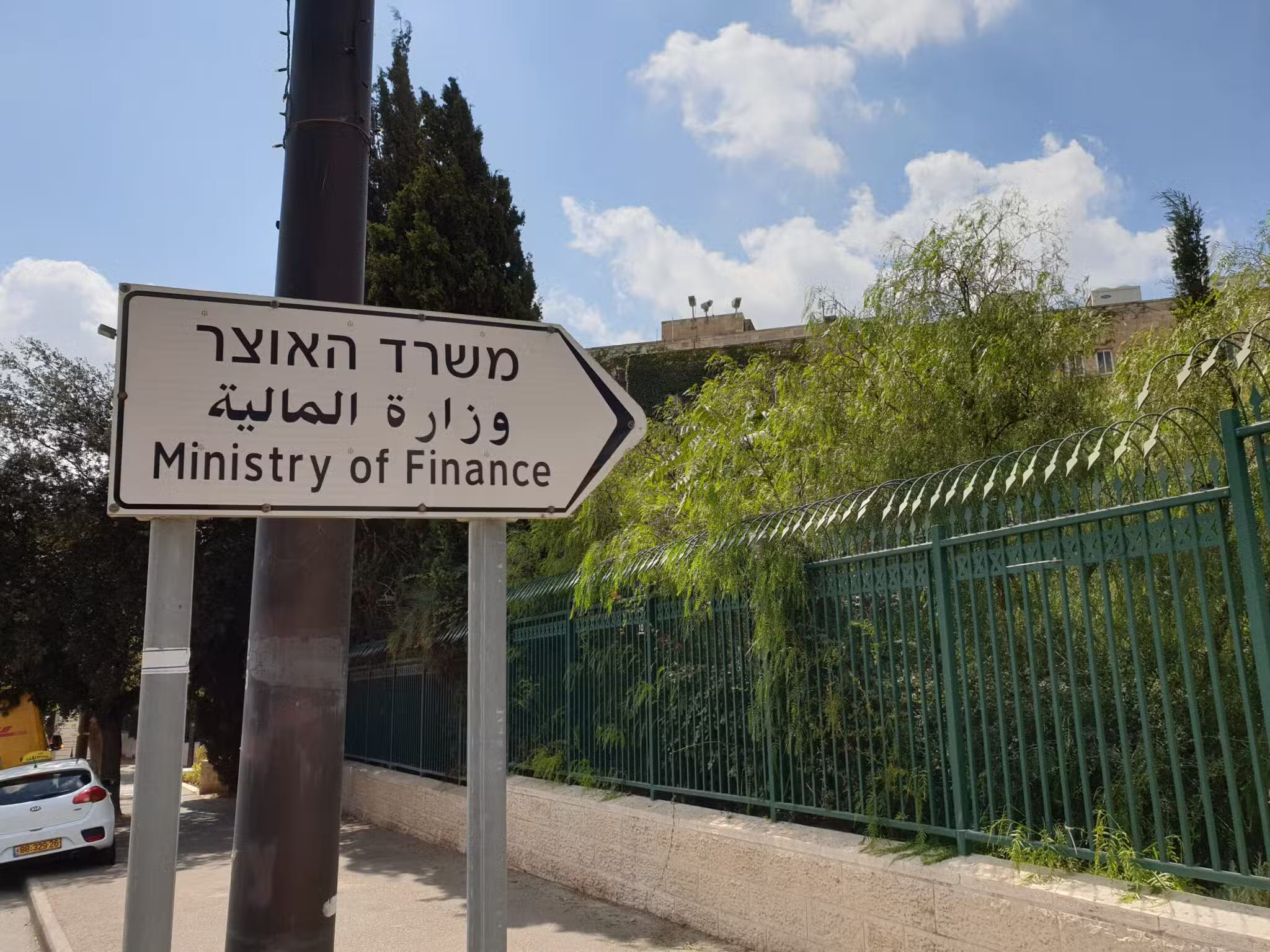
To sustain this macroeconomic resilience, the Bank of Israel and the Ministry of Finance are aggressively engineering domestic liquidity. The Treasury has finalized an emergency compensation framework, allowing employers to place war-affected workers on state-funded unpaid leave (Chalat). The plan drastically lowers qualification thresholds, shortening the requisite leave period to just 14 days and waiving statutory waiting periods to ensure immediate capital distribution to displaced citizens.
Concurrently, aggressive inflation-targeting remains active even mid-conflict. The Finance Ministry advanced sweeping dairy reforms through the Public Enterprises Committee, exempting small dairies from price-controlled milk quotas. By utilizing targeted imports, the state is intentionally suppressing consumer prices at the supermarket level to counter wartime supply shocks.
Our take: This is a calculated macroeconomic liquidity pump. By socializing the immediate labor friction and aggressively managing grocery inflation, the state is actively preventing a cascade failure in consumer credit. For the institutional investor, this means the government is absorbing the localized tail risk, ensuring that the balance sheets of commercial titans remain insulated from domestic defaults.
TASE snapshot for Wednesday, March 9, 2026
TA-35 Index (TASE:TA35): 🔴 -2.98%
TA-90 (TASE:TA90): 🔴 -2.19%
TA-125 (TASE:TA125): 🔴 -2.88%
If you enjoyed this update, forward it on.
TV10 Global | Israel for Investors
Bringing you the top stories from the Israeli business community, by Israel’s only business and finance network.
Share your thoughts with us via: global@tv10.co.il or the Newsroom WhatsApp: +972-55-994-5851.
📧 Subscribe to this newsletter! And follow the daily conversation on 𝕏 @tv10global.
Pings available via WhatsApp Channel.
Disclaimer: This brief is for informational purposes only and does not constitute investment advice. All data current as of publication date.