

🍿 Get the Daily on Spotify, too
Quick takes:
Macro: The Bank of Israel held its benchmark rate at 4% amid surging inflation forecasts and a downgraded 3.8% GDP growth projection for 2026; The Knesset passed a rapid urban renewal law to fast-track the rehabilitation of war-damaged real estate with lowered tenant consent thresholds.
Energy: Domestic fuel prices are set to spike by over ₪1 per liter at midnight; BAZAN Group reported immaterial damage following a direct hit on its Haifa refinery complex.
Tech & Defense: Stratasys landed a multi-million-dollar 3D-printing pilot with the U.S. Department of Defense; ScaleOps secured $130 million for its automated cloud management platform.
Macro

The Bank of Israel maintained its benchmark interest rate at 4%, firmly signaling that geopolitical volatility and fiscal expansion are severely restricting monetary easing. BoI Governor Prof. Amir Yaron explicitly cited the ongoing Operation Roaring Lion, surging energy prices, and supply-side constraints as primary drivers for the hawkish hold. The central bank’s research department updated its macroeconomic forecasts, assuming intense combat operations conclude by late April. Under this baseline, GDP growth for 2026 is projected to contract to 3.8% (down from the January forecast of 5.2%), before rebounding to 5.5% in 2027 (up from 4.3%).
Inflationary pressures remain heavily skewed to the upside. Following the Knesset’s approval of a state budget featuring a massive ₪142 billion allocation to the Defense Ministry, the BOI warned of a rising debt-to-GDP ratio and expanding fiscal deficits. Exogenous commodity shocks are compounding the issue; Yaron noted that Brent crude spiked to $113 per barrel amid the conflict, while European gas prices hit €55 per MWh. On the FX front, the shekel has weakened 0.8% against the USD since the last rate decision, prompting the BoI to hike its near-term inflation forecast by approximately 0.5%.
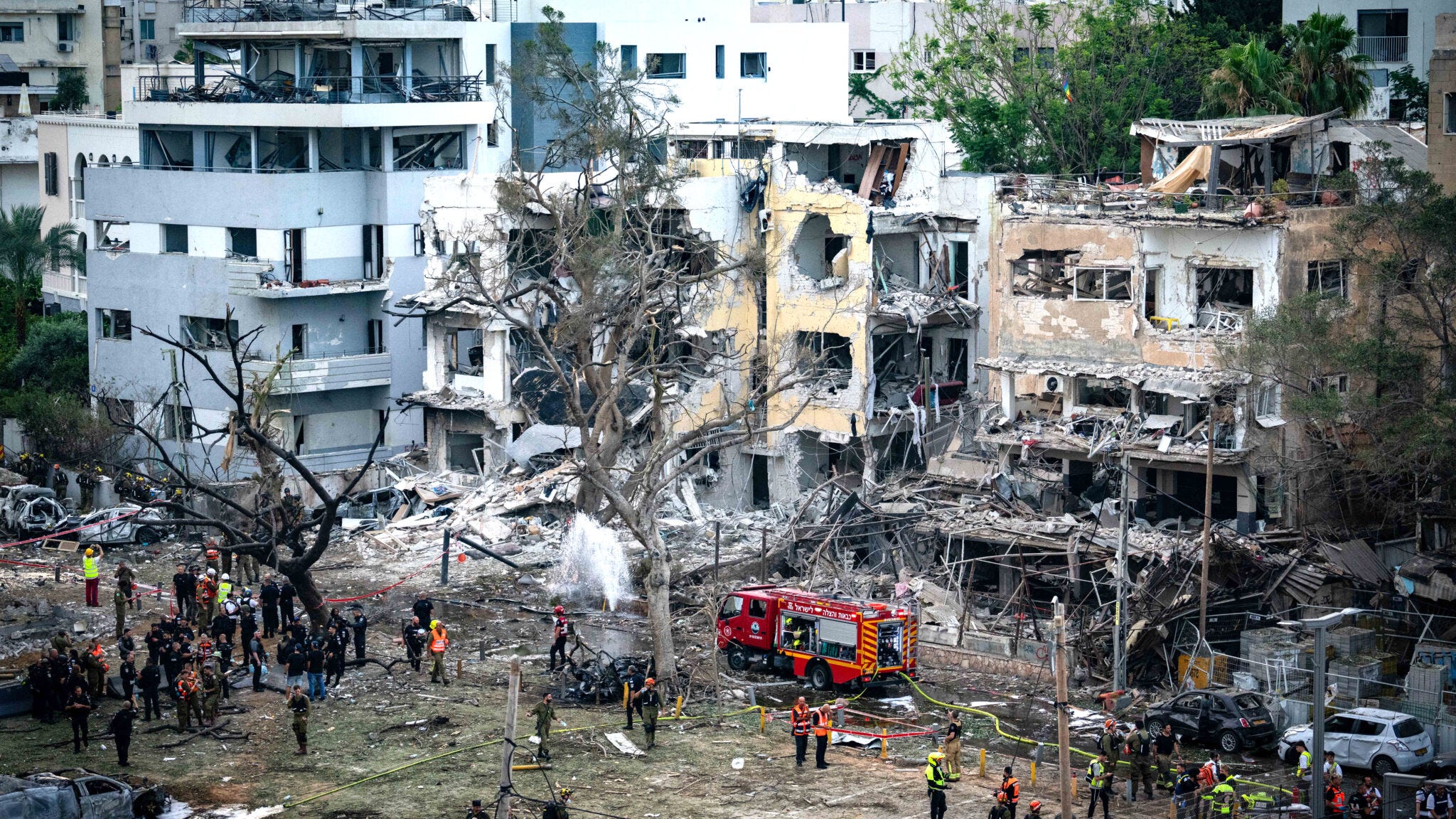
Against this backdrop of fiscal strain and war recovery, the Knesset granted final approval to a comprehensive legislative package designed to rapidly rehabilitate war-damaged real estate through accelerated urban renewal mechanisms. Drafted by the Finance, Housing, and Interior Ministries alongside MK Yaakov Asher, the law radically streamlines planning and licensing procedures. Crucially for developers, the law drastically lowers the friction of tenant negotiations. To initiate a rehabilitation project for destroyed or heavily damaged buildings, developer consent thresholds are now set at just 51% per individual building, or 80% across a multi-building complex. Furthermore, the legislation introduces a novel buy out mechanism. Tenants seeking immediate liquidity rather than waiting for project completion can opt for a direct cash payout equivalent to the value of a new, expanded apartment.
Our take: The Bank of Israel is currently trapped in a classic macroeconomic vise, unable to cut rates to stimulate the downgraded 3.8% GDP growth because massive fiscal expansion (a ₪142 billion defense outlay) and global supply shocks are aggressively fueling inflation. However, while the central bank is forced to maintain a restrictive 4% rate to absorb the government’s deficit spending, the state is actively deploying legislative tools to stimulate domestic investment. The new urban renewal legislation is a major unlock for the real estate sector, bypassing chronic bureaucratic bottlenecks and providing developers with unprecedented certainty for CapEx deployment in battered zones. For investors, the takeaway is clear: expect higher for longer borrowing costs, but look for concentrated yield opportunities in fast-tracked, state-backed real estate rehabilitation projects.
Energy

The macroeconomic shocks cited by the BOI are rapidly trickling down to the consumer level. At midnight on April 1 (Tuesday to Wednesday), domestic regulated 95-octane gasoline prices will surge by ₪1.03 to ₪8.05 per liter (including VAT) for self-service. In Eilat, the VAT-free price will rise by 87 agorot to ₪6.82 per liter. The full-service surcharge remains unchanged at 25 agorot (21 agorot in Eilat). This aggressive price hike is driven directly by a 49% spike in Mediterranean basin gasoline prices, fueled by the broader global war-driven oil rally, compounded by a 2% depreciation in the fuel exchange rate.
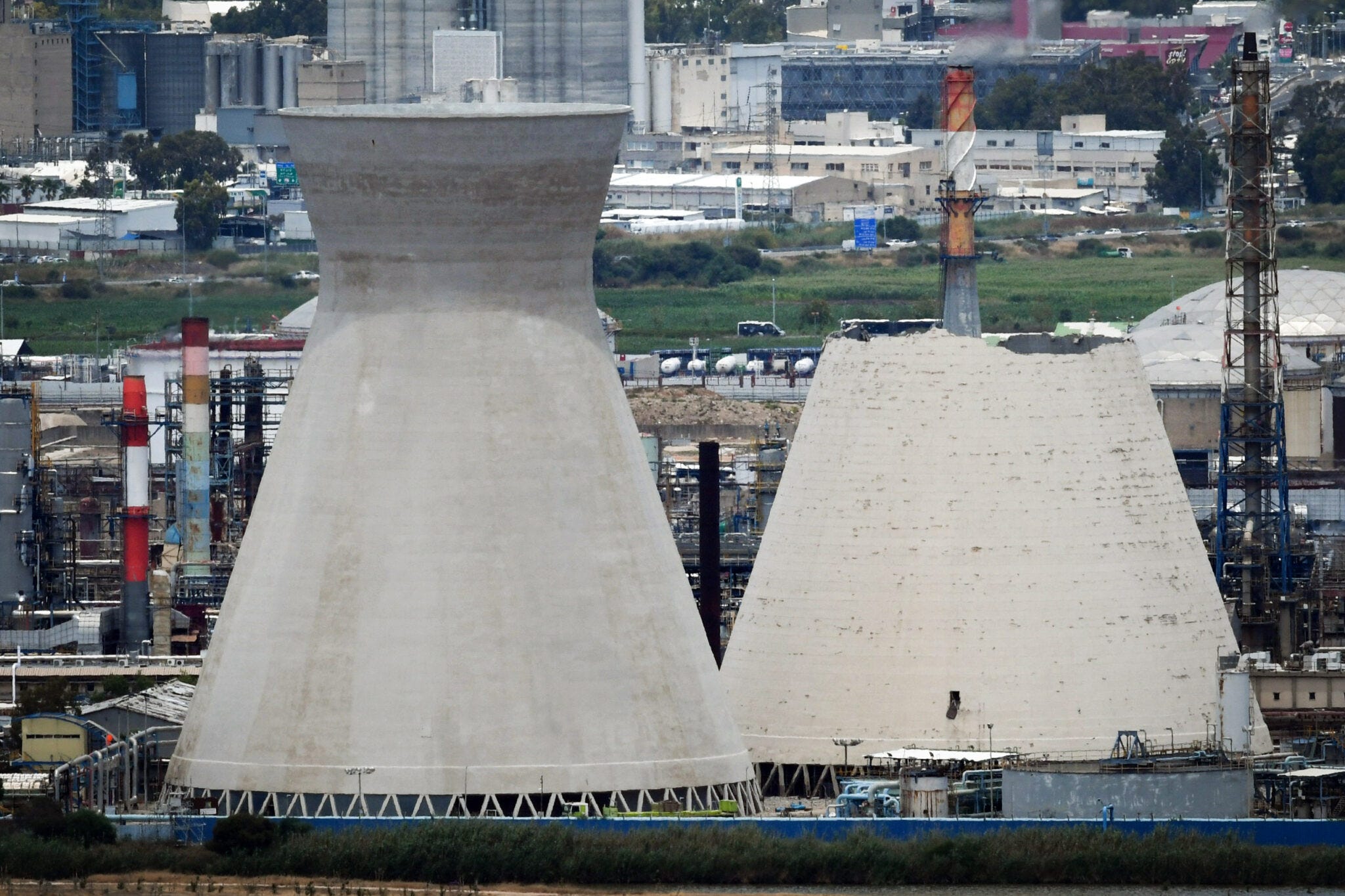
Simultaneously, domestic energy infrastructure remains in the crosshairs. BAZAN Group’s Haifa refineries suffered a direct hit from a combined Iranian and Lebanese barrage, its second impact in two weeks. First responders identified a hit on a parked tanker and a distillate tank roof, with heavy smoke reported. However, BAZAN management swiftly clarified that all production facilities are operating normally and estimated the damage as immaterial, effectively calming markets after a prior attack sent the stock tumbling 8%.
Our take: the energy sector is illustrating the dual-front nature of Israel’s current crisis: global commodity exposure and localized kinetic threats. While consumers are immediately bearing the brunt of the Mediterranean basin’s 49% gasoline price surge, strategic physical assets are proving remarkably durable. BAZAN’s ability to sustain direct hits and maintain uninterrupted production highlights a robust level of operational continuity and infrastructure resilience, ensuring that local supply bottlenecks do not exacerbate the already severe pricing pressures.
Tech & Defense
Stratasys (NASDAQ: SSYS) announced its selection for the U.S. Department of Defense’s JAMA IV (Joint Additive Manufacturing Acceptability) pilot program. The multi-million-dollar strategic initiative aims to standardize and deploy 3D-printed parts directly into operational military platforms. Executed by the company’s Stratasys Direct division, the contract positions the firm to capitalize on the Pentagon’s additive manufacturing budget, which is surging from $1.8 billion in 2025 to $3.3 billion in 2026. Stratasys already delivers over 100,000 parts annually to the defense sector; notably, its microvanes for the U.S. Air Force’s C-17 fleet generate roughly $14 million in annual fuel savings.

In the private markets, cloud-management startup ScaleOps closed a massive $130 million funding round, driving its valuation north of $800 million. The round was led by Insight Partners, with participation from Lightspeed Venture Partners, Glilot Capital Partners, NFX, and Picture Capital, bringing total capital raised to over $210 million since its 2022 inception. Led by CEO Yoder Shafrir, ScaleOps provides an autonomous platform that dynamically scales cloud and AI resources in real-time, eliminating manual developer intervention. The company, which already manages production environments for unicorns like Wiz, Armis, and Adobe, plans to triple its 120-person global headcount by the end of the year.
TASE snapshot for Monday, March 31, 2026
TA-35 Index (TASE:TA35): 🟢 +1.90%
TA-90 (TASE:TA90): 🟢 +1.89%
TA-125 (TASE:TA125): 🟢 +1.90%
If you enjoyed this update, forward it on.
TV10 Global | Israel for Investors
Bringing you the top stories from the Israeli business community, by Israel’s only business and finance network.
Share your thoughts with us via: global@tv10.co.il or the Newsroom WhatsApp: +972-55-994-5851.
📧 Subscribe to this newsletter! And follow the daily conversation on 𝕏 @tv10global.
Pings available via WhatsApp Channel.
Disclaimer: This brief is for informational purposes only and does not constitute investment advice. All data current as of publication date.