

Yaniv Formansky February 15, 2026
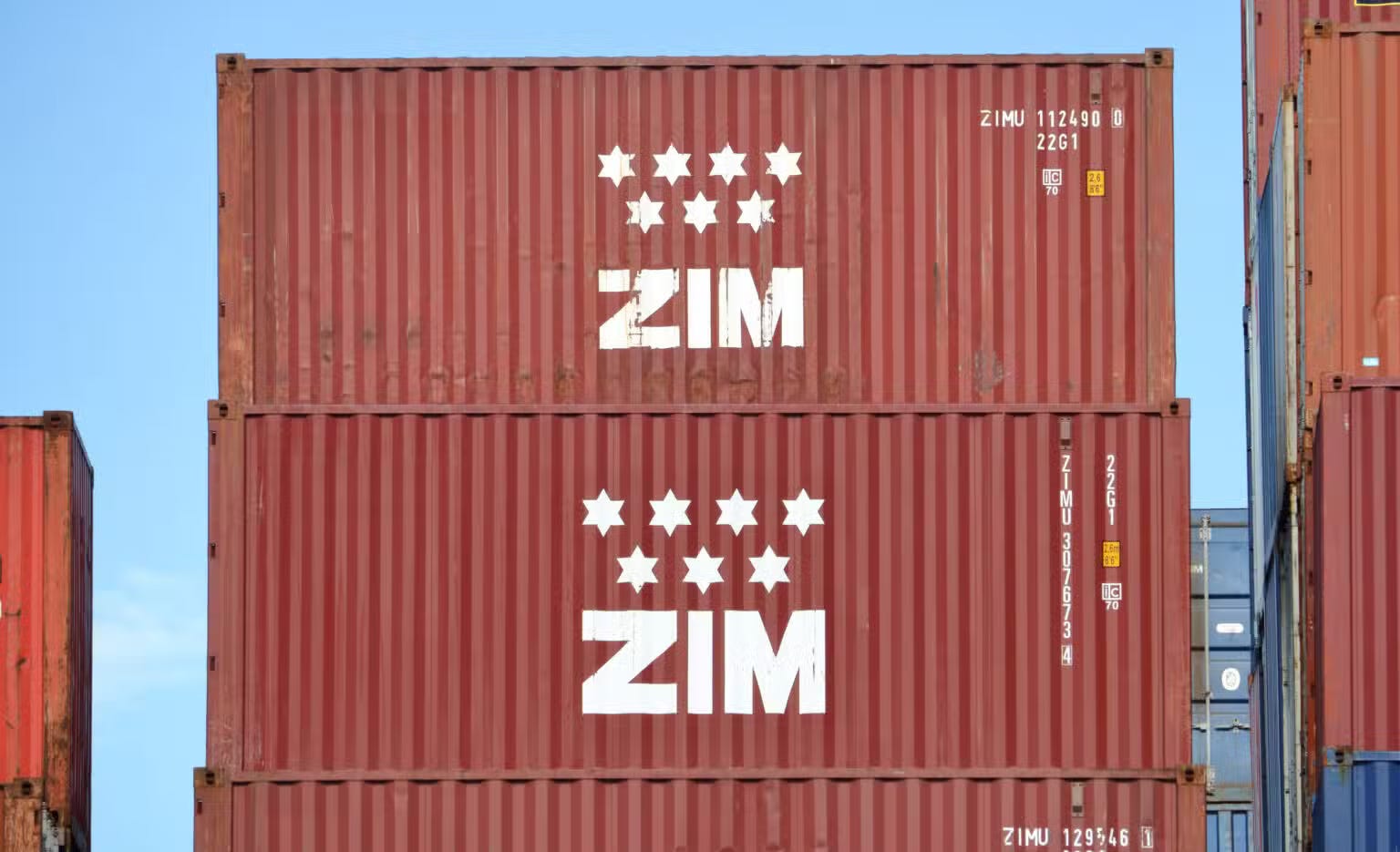
ZIM is being sold to the German shipping giant Hapag-Lloyd and Fimi Opportunity Funds for approximately $3.7 billion. The two entities are acquiring 100% of ZIM’s shares, which will subsequently be delisted from the New York Stock Exchange. ZIM has been traded in New York since early 2021, following an initial public offering (IPO) at a valuation of $1.5 billion.
ZIM’s current market valuation stands at $2.7 billion.

Hapag-Lloyd is the world’s fifth-largest shipping company by container capacity, controlling 7.4% of the global market. ZIM is ranked ninth, with a 2.5% market share. Notable shareholders in the German firm include Qatar Holding (12.3%) and the Saudi Public Investment Fund (PIF) (10.2%).
During a recent discussion in the Knesset Economic Affairs Committee, Chairman David Bitan stated: “It is clear that we will not allow Qatar to take over ZIM. Just as I opposed the sale of the Port of Ashdod—which received all the munitions during the war—and just as we need one port in our hands, we must keep one shipping company in our hands.”
The Hapag-Lloyd and Fimi consortium won the tender conducted by ZIM’s board of directors, which rejected a competing bid led by ZIM CEO Eli Glickman and businessman Rami Ungar. The Israeli government holds a ‘Golden Share’ in the company, intended to ensure the shipping line serves the national economy during emergencies, similar to the arrangement with El Al.
Under the deal, FIMI Opportunity Funds will acquire ownership of the ZIM brand and its 16 owned vessels. FIMI will also acquire the rights to operate two of ZIM’s five primary maritime shipping routes. Hapag-Lloyd will take over the lease contracts for 99 of ZIM’s chartered vessels and the rights to operate intra-Asian container routes, the Far East-to-US West Coast/Gulf of Mexico routes, and Latin American shipping lines.