
Today in Israel - and what it all means for the business community at home and abroad.
TV10 Global Editorial · Tuesday, October 27, 2026
Quick takes
Politics & Markets: Exit polls, which are not final results, show a tight race, but the TV channels’ numbers differ considerably, TV10 reports. The Tel Aviv Stock Exchange reopens Wednesday, after the TA-35 rose 1.99% in Monday’s last session.
Tech & M&A: Intel has not disclosed the price of its Classiq deal. Calcalist and Bloomberg report about $2.3 billion, partly in Intel stock; Globes reports about $2.2 billion net of cash. Intel has not confirmed either figure.
Cyber & Ad Tech: Reuters reports that researchers link Israeli ad-tech company Discover-Tech to heavy ad targeting of Starlink users in more than 100 countries, allegedly to locate them. The company did not respond to Reuters.
Politics & Markets
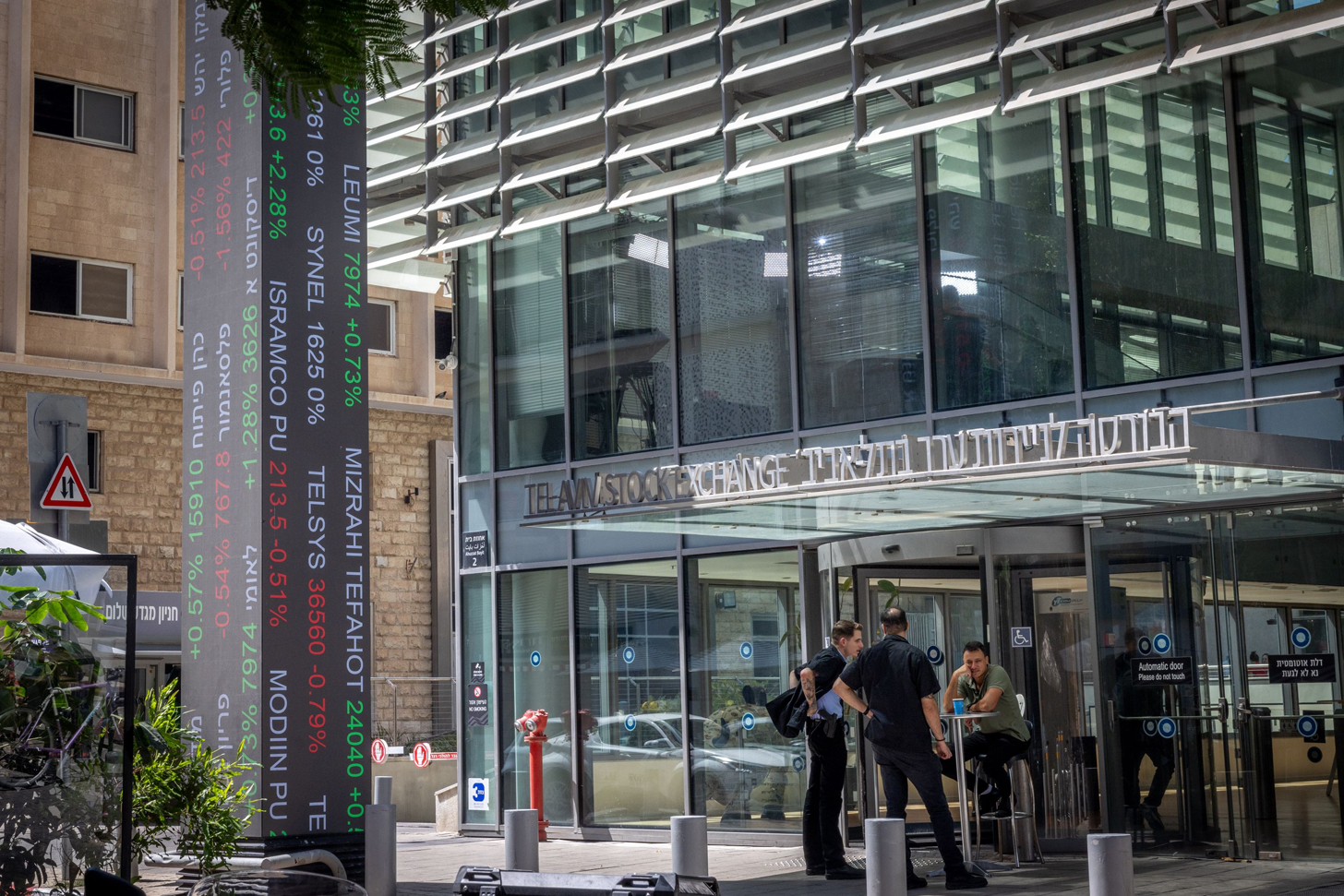
Israel’s exit polls show a tight race, with sizeable gaps between the TV channels, and its stock exchange is shut until Wednesday, so investors have to wait for the first trading reaction. Turnout reached 74.3% by 20:00 (TV10), against 66.3% at the same hour in 2022 (ynet). Polls before the vote showed a close race (BBC, Reuters), and the exit polls published after voting ended at 22:00 also point to a tight race, although the TV channels’ projections differ considerably and none of them settles the outcome (TV10). Exit polls are not final results and can differ from the final count; the picture usually becomes clear only in the middle of the night or later, and the final count comes only after the Central Elections Committee finishes counting, including soldiers’ and other special ballots.
The Tel Aviv Stock Exchange (TASE) did not open today. In Monday’s final session before the vote, the TA-35 rose 1.99% to 4,206.35 and the TA-125 rose 1.81%, led by technology: the TA-Technology index jumped 3.56% (TV10). Reuters reported the shekel rose about 1.2% against the dollar to a three-week high on turnout. JPMorgan estimates the shekel could move as much as 3% depending on the result (Reuters).
History is a guide, not a forecast. TASE research covering the ten elections from 2003 to 2022 found volatility in the leading indices ran up to 45% above a typical week in the weeks after voting. On the first trading day after an election the TA-35 rose 0.58% on average; over the first week it fell 0.89% on average; after a month it was up 1.72%. Investors are also watching consumer activity: payments operator Shva data reported by TV10 show more than ₪1.14 billion spent on cards between 08:00 and 17:00, 41.2% more than in the same hours on election day 2022.
Original (Hebrew): בחירות 2026: מדגמים דרמטיים - כמה מנדטים קיבל כל גוש?
Our take: Markets reopen on Wednesday with no clear result yet: the TV channels’ exit polls differ considerably, and exit polls can differ from the final count. The Tel Aviv Stock Exchange stayed shut through the vote, so its first reaction to the polls, the count and any coalition talks comes when trading resumes. Both TV10 and Reuters point to government formation as the real variable: a clear outcome could lower the risk premium, while a drawn-out coalition process could mean weeks of volatility. History says volatility rises after elections and early losses were typically recovered within a month, but that is an average, not a promise. Foreign funds’ record-low exposure to Israeli equities, per Copley data cited by Reuters, is one more factor to watch.
Tech & M&A

Intel has agreed to acquire Tel Aviv-based quantum software company Classiq, but Intel has not said what it is paying; Calcalist and Bloomberg report about $2.3 billion. Intel announced a definitive agreement on Monday to create what it calls a full-stack quantum computing platform, subject to regulatory approvals and expected to close in the first half of 2027. Intel gave no financial terms. Calcalist’s Ctech reported late Monday that the price is about $2.3 billion in cash and Intel stock; Bloomberg reported about $2.3 billion on Tuesday, citing people familiar with the matter. Reuters said it could not independently verify the figure, and Intel declined to comment. Globes reports about $2.2 billion, net of roughly $100 million in cash the company holds.
Classiq has raised more than $200 million. Ctech says it has about 150 employees (TV10’s earlier report said about 130) and that its 2025 funding round valued it at $600-700 million. Intel said Classiq stays independent and operational in Tel Aviv until closing, and that Classiq’s software will stay compatible with other companies’ hardware. Intel reports quarterly results on Thursday, October 29.
Original (Hebrew): אינטל רוכשת את הסטארט-אפ הישראלי קלאסיק
Our take: Intel has confirmed the deal but not the price, so $2.3 billion is a press estimate until a filing says otherwise. If accurate, it is more than three times the 2025 valuation Ctech cites, which shows what strategic buyers will pay for deep-tech with a working product. Two details matter for investors: part of the payment is reportedly Intel stock, so the final value depends on Intel’s share price, and the deal still needs regulatory approvals before the expected first-half 2027 close. Intel reports results on Thursday; whether it adds any detail is unknown.
Cyber & Ad Tech
Reuters reports that researchers believe Israeli ad-tech company Discover-Tech was one of the biggest bidders for ads shown to Starlink users in more than 100 countries, in what they say was likely an effort to geolocate or surveil them. The claim comes from six people familiar with the matter, who told Reuters that “Shadow-Earth-79” is the codename security firm TrendAI used in an October 15 report. That report did not name the company. Citizen Lab and ad-tech firm Confiant identified Discover-Tech by name the same day, saying it abused the ad-bidding process. Google, Comcast and other companies said they removed it from their ad platforms.
Discover-Tech and its chief executive did not respond to Reuters over two weeks, and SpaceX did not respond. These are allegations; the company has not publicly answered them. TrendAI said its approach to attribution aims to avoid labels that “can mislead defenders.”
Original (Hebrew): חברת פרסום ישראלית חשודה במעקב אחר משתמשי סטארלינק ברחבי העולם
Our take: The allegations are unproven: the company has not responded, and the central claims rest on researchers and unnamed sources. What is already visible is the commercial effect, since major platforms say they have cut the firm off. For investors, the lesson is reputational and regulatory exposure. Israeli cyber and ad-tech companies sell into global platforms and customers that can end relationships quickly when allegations surface. Whether authorities in Israel or abroad take any action is not yet known.
If you enjoyed this update, forward it on.

Disclaimer: This brief is for informational purposes only and does not constitute investment advice. All data current as of publication date.