
This week a credit rating agency raised its view of Israel’s economy, a leadership change at Nvidia prompted questions about one of the largest tech investments in the country, a US energy firm entered Israel’s offshore gas sector, and Elbit added a European defence contract. Here is what happened and why it matters if you invest in Israel.
S&P lifts Israel’s growth forecasts to 5.5% for 2026 and 7% for 2027, keeps outlook stable

S&P published its updated assessment of Israel’s economy. It raised its growth forecasts to 5.5% for 2026 and 7% for 2027 and kept Israel’s rating and its stable outlook unchanged. The stable outlook assumes that any military conflicts stay limited, even if tension with Iran and its proxies continues. S&P warns that a major military escalation could hurt economic performance, the balance of payments and the fiscal position, and could lead to negative rating action. A significant improvement in growth and fiscal results, or a lasting decline in geopolitical and security risks, could lead to an upgrade.
The upgrade follows a sharp recovery after the economy contracted in the first quarter of the year amid the conflict with Iran. GDP grew at an annual rate of 15.4% in the second quarter of 2026 compared with the previous quarter, and growth in the first half of the year came to 3.7%. Private consumption, high public consumption and strong tech exports supported the recovery. S&P also notes that a revision of national accounts, which now include production abroad by multinational tech firms holding intellectual property in Israel, lifted GDP and export data. Citing the Central Bureau of Statistics, it says exports produced abroad rose to 5.8% of GDP in the second quarter of 2026, from 1.7% in 2023. S&P stresses that this activity does not use local capital or labour, and most of its income does not go directly to Israeli residents.
On the fiscal side, S&P expects defence spending to exceed 7% of GDP in 2026. It forecasts a public deficit of 5.2% of GDP in 2026, falling to 4.9% in 2027, and a government deficit of 4.5% this year and 4.6% next year. It expects net public debt to rise to 65.2% of GDP by 2029. Before 2023, it had expected debt to fall below 55% of GDP from 2026. The debt structure remains relatively comfortable: more than 80% of government debt is held in Israel and denominated in shekels, short-term debt is only 8% of the total, and average maturity is eight years. Foreign exchange reserves reached a record $241.6 billion in August and stood at $237 billion in September, covering gross external debt 1.5 times.
Why it matters: the rating agency’s framing feeds directly into bond spreads and the shekel. S&P also flags political risk after the October 27 election: without a clear result, a prolonged stalemate could make it harder to form a stable government and pass the 2027 budget. Until then, a caretaker government would operate under a continuing budget mechanism that limits spending and delays decisions on tax measures and reforms. Escalation and the budget process are the two things to watch.
Jensen Huang’s exit from Nvidia raises questions for Israeli tech and the Kiryat Tivon campus
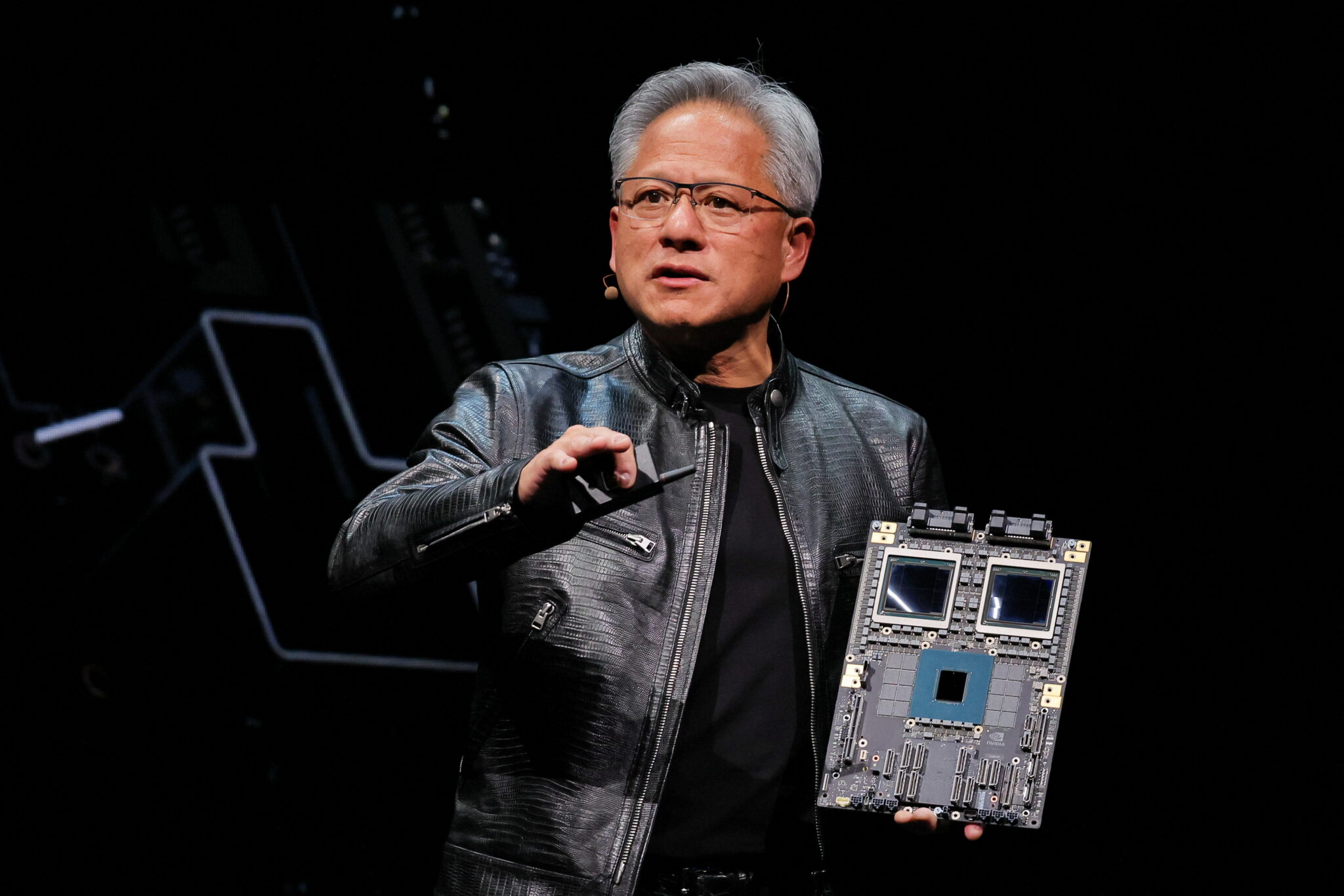
Jensen Huang, founder and CEO of Nvidia, is leaving his role with immediate effect. CFO Colette Kress has been named interim CEO, and the board is expected to look for a permanent replacement among internal and external candidates. Under Huang, Nvidia’s Israeli operation grew from a small development unit into a strategic centre responsible for core technologies.
Nvidia employs about 6,000 people in Israel, with development centres in Yokneam, Tel Aviv, Jerusalem, Ra’anana and Be’er Sheva. The link deepened with the acquisition of Israel’s Mellanox in a deal of about $6.9 billion. Sales of Nvidia’s Israeli operation reached about $17.5 billion in the second quarter of 2026, about 18% of the company’s global sales, although Nvidia does not report Israel as a separate revenue segment. The planned Kiryat Tivon campus, closely identified with Huang, would be Nvidia’s second-largest development centre after Santa Clara. It is planned on about 90 dunams with about 160,000 square metres of built space and up to 10,000 employees. Work is expected to start in 2027, with initial occupancy planned for 2031. The land was bought from the Israel Land Authority for about NIS 90 million.
There are reasons to expect existing activity to continue. The Israeli centres handle critical technologies such as chip-to-chip communication and data centre systems, and in February 2026 Nvidia reportedly signed a ten-year lease for about 29,000 square metres of new offices in Yokneam. As of now, there is no announcement of a cancellation of the campus or a change in Nvidia’s Israel plans.
Why it matters: Nvidia is a major driver of Israeli tech employment, local suppliers and northern real estate. The key test is who becomes the permanent CEO. An insider who knows the Israeli operation may keep the current course, while a leadership focused on cutting investment could revisit the pace of expansion and the scale of the campus.
US energy firm Murphy enters Israel with Ratio, winning six offshore gas exploration licences
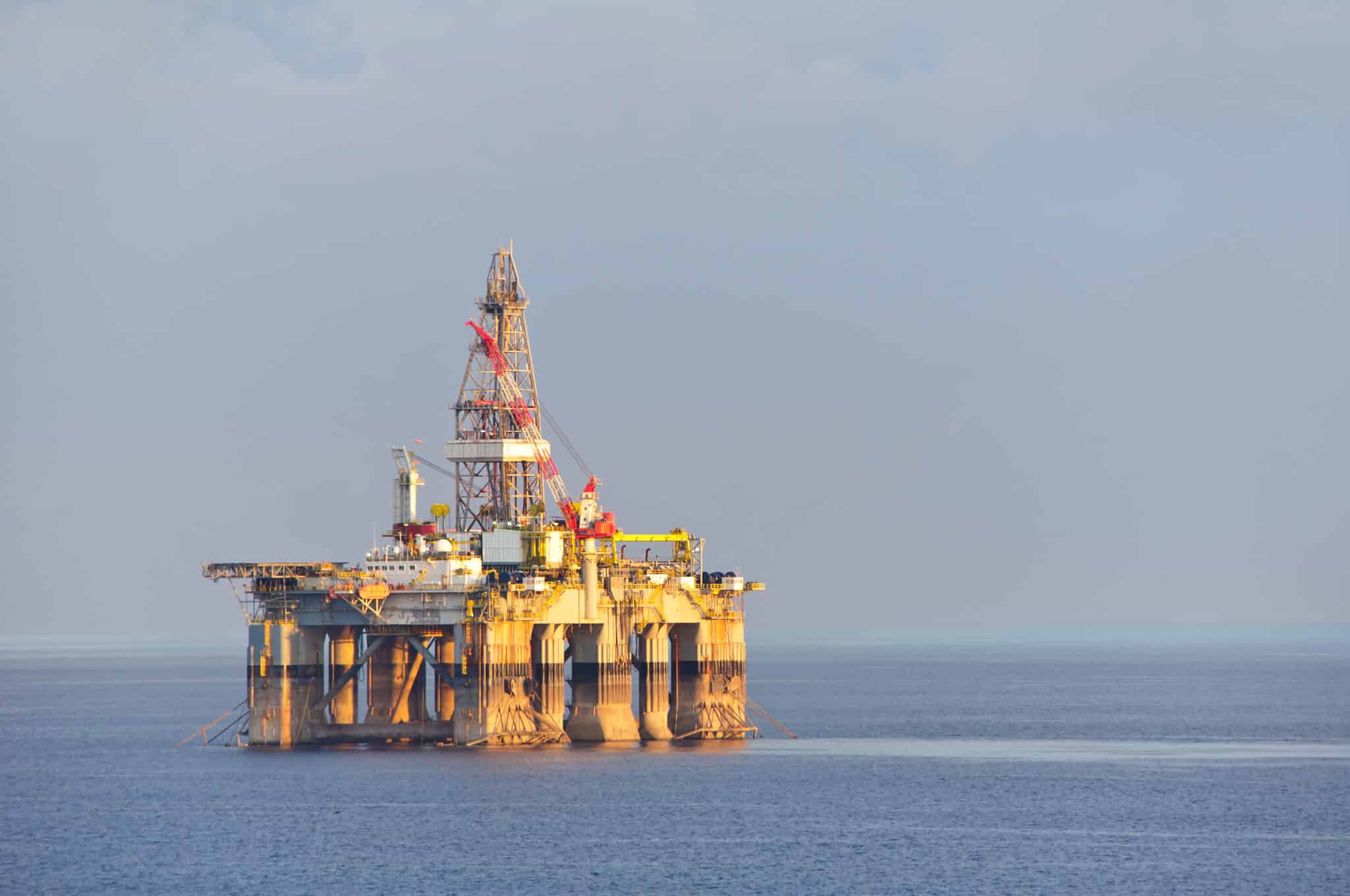
Energy Minister Eli Cohen and Petroleum Commissioner Chen Bar Yosef granted six natural gas exploration licences in Block G to US energy company Murphy and Israel’s Ratio. Each company holds 50% of the licences, and Murphy will be the operator. The companies committed to a work plan that includes seismic surveys and several exploration wells.
The licences follow a recommendation by the Petroleum Council approving a change in the winning group for Block G in the fourth competitive round. In October 2023 the block was won by a group of Italy’s ENI as operator, Britain’s Dana Petroleum and Ratio. The change came after ENI withdrew, in coordination with Dana Petroleum, which may, subject to ministry approval, exercise a commercial option to rejoin the licences.
Why it matters: another international operator entering Israel’s offshore gas sector is a signal of foreign confidence in its energy potential. Ratio is a listed Tel Aviv name to watch as the work plan moves forward.
Elbit wins a $260 million contract to supply PULS rocket systems to a NATO country
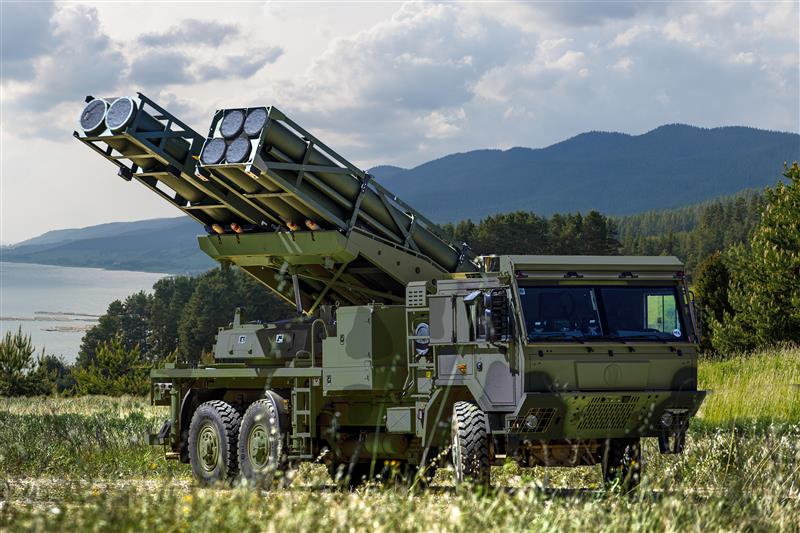
Elbit Systems said it won a contract of about $260 million to supply PULS artillery rocket systems and munitions to a European NATO member. The contract is expected to run over five years.
PULS (Precise & Universal Launching System) can launch unguided rockets, precision-guided munitions and missiles over different ranges. It can be fitted to existing wheeled and tracked platforms, which helps reduce maintenance and training costs. Elbit president and CEO Bezhalel (Butzi) Machlis said the continued choice of PULS by European and NATO customers reflects the system’s operational maturity and versatility.
Why it matters: the deal adds to Elbit’s backlog and shows continued European demand for Israeli defence exports, a key growth engine for Tel Aviv’s defence sector and for Israel’s export base.
Quick takes
S&P sees structural limits on growth: labour shortages, reserve call-ups and only partial replacement of Palestinian construction workers with foreign workers.
S&P describes Israel’s banking system as strong.
The Petroleum Council recommended easing entry conditions for the fifth gas exploration round, so prior experience can also be assessed by staff experience. The deadline for bids is January 27, 2027.
This is information only, not investment advice.