
Israel’s October consumer price index fell when economists expected a rise. Annual inflation is now 1.1%, a week before the Bank of Israel’s rate decision. The same day brought a strong third-quarter growth estimate, the first bank results of the season, a large US bid by Shikun & Binui and new housing data that varies widely by city.
October CPI falls 0.1%, inflation at 1.1%, and a rate cut is back on the table
The consumer price index fell 0.1% in October. Forecasts had called for a rise of 0.2%-0.3%. Annual inflation eased to 1.1%, a tenth of a percentage point above the bottom of the Bank of Israel’s target range.
Before the release, the market mostly expected the bank to hold its rate at 3.25% at the November 23 decision. The reading makes a cut possible. That matters for bonds, the shekel and Tel Aviv valuations.
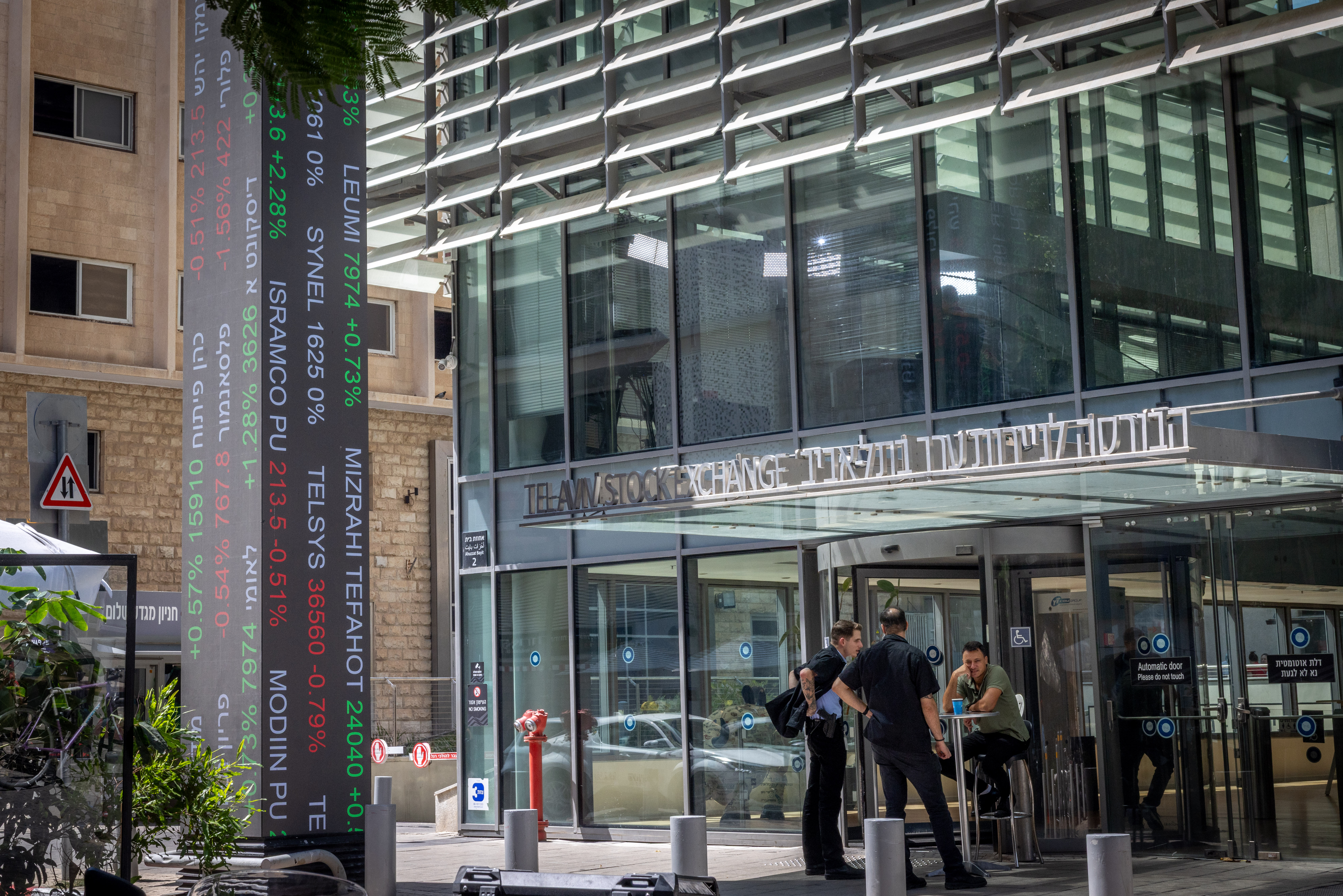
The market’s first reaction was mixed. The TA-35 opened 0.47% lower and the TA-125 fell 0.26%, while the TA-90 rose 0.3%. Dual-listed chip stocks weighed on the indexes. Tower returned with a negative arbitrage gap of about 6.5%, and Nova and Camtek had gaps of about 4%.
Israel’s economy grew 1.9% in Q3, or 8% annualized, as exports jumped 8.7%

The Central Bureau of Statistics’ first estimate shows GDP grew 1.9% in the third quarter from the previous quarter, or 8% annualized. Growth slowed from the second quarter, when GDP rose 4%, or 17.2% annualized. Compared with the third quarter of last year, GDP was 6.7% higher.
Without adjustments for production abroad, growth was 1% for the quarter, or 4% annualized. Exports of goods and services rose 8.7% in the quarter, or 39.5% annualized. Industrial goods exports excluding diamonds climbed 56.4% annualized, while services exports fell 2.8%. Private consumption rose 6.4% annualized, after 17% in the second quarter. Per-person spending on furniture and other durable goods rose 5%, and spending on private vehicles fell 6.6%.
For global investors, this is a strong growth picture arriving just as inflation cools. The estimate is partly based on preliminary data, and the bureau will publish an updated estimate on December 16.
Bank Hapoalim earns about NIS 2.4B in Q3 and approves a buyback of up to NIS 1B

Bank Hapoalim reported third-quarter net profit of about NIS 2.4 billion and a return on equity of 14%. The result held despite the special tax on banks and a lower rate environment. Net profit for the first nine months reached about NIS 6.98 billion, with return on equity of 14%, in line with the bank’s targets.
The board will distribute 50% of the quarter’s profit, about NIS 1.18 billion. About NIS 946 million will be paid as a cash dividend, and about NIS 236 million will fund the first stage of the share buyback. The board also approved a new buyback of up to NIS 1 billion over the coming year, after completing the previous programme.
The bank expects the special tax to reduce net profit by about NIS 950 million on an annual basis and to cut about 1.4 percentage points from return on equity. Credit to the public rose 10% since the start of the year, and non-performing loans stood at 0.49% of credit. This is a key read on Israel’s largest banks ahead of a possible rate cut.
Shikun & Binui wins a $1.289B Pennsylvania bridge bid, undercutting its only rival by about 19%

Shikun & Binui’s joint venture with its American partner submitted the lowest bid to replace a bridge on Pennsylvania’s I-83 highway and carry out related transport works. The bid is $1.289 billion, about NIS 4.12 billion. That is about $297 million, or about 19%, below the only competing bid.
The group holds about 80% of the venture, a share of about $1.019 billion, about NIS 3.26 billion. Its US order backlog was about NIS 3 billion at the end of June. If the contract is awarded and fully included in the backlog, this project alone could more than double the US backlog relative to end-June. Work is set to begin in 2027 and run until 2039, and $500 million of the funding will come from a federal grant.
CEO Amit Birman expects double-digit gross margins on the project. The company says it is a construction contract with no design risk on its side. For context, the group reported first-half revenue of about NIS 4.35 billion, gross profit of NIS 338 million (about 7.8% of revenue) and a net loss of NIS 131 million. For investors, this is a major international growth driver for a TASE heavyweight.
Israeli home prices fall 1.5% year on year, with Tel Aviv up 12.1% and Bat Yam down 8.5%
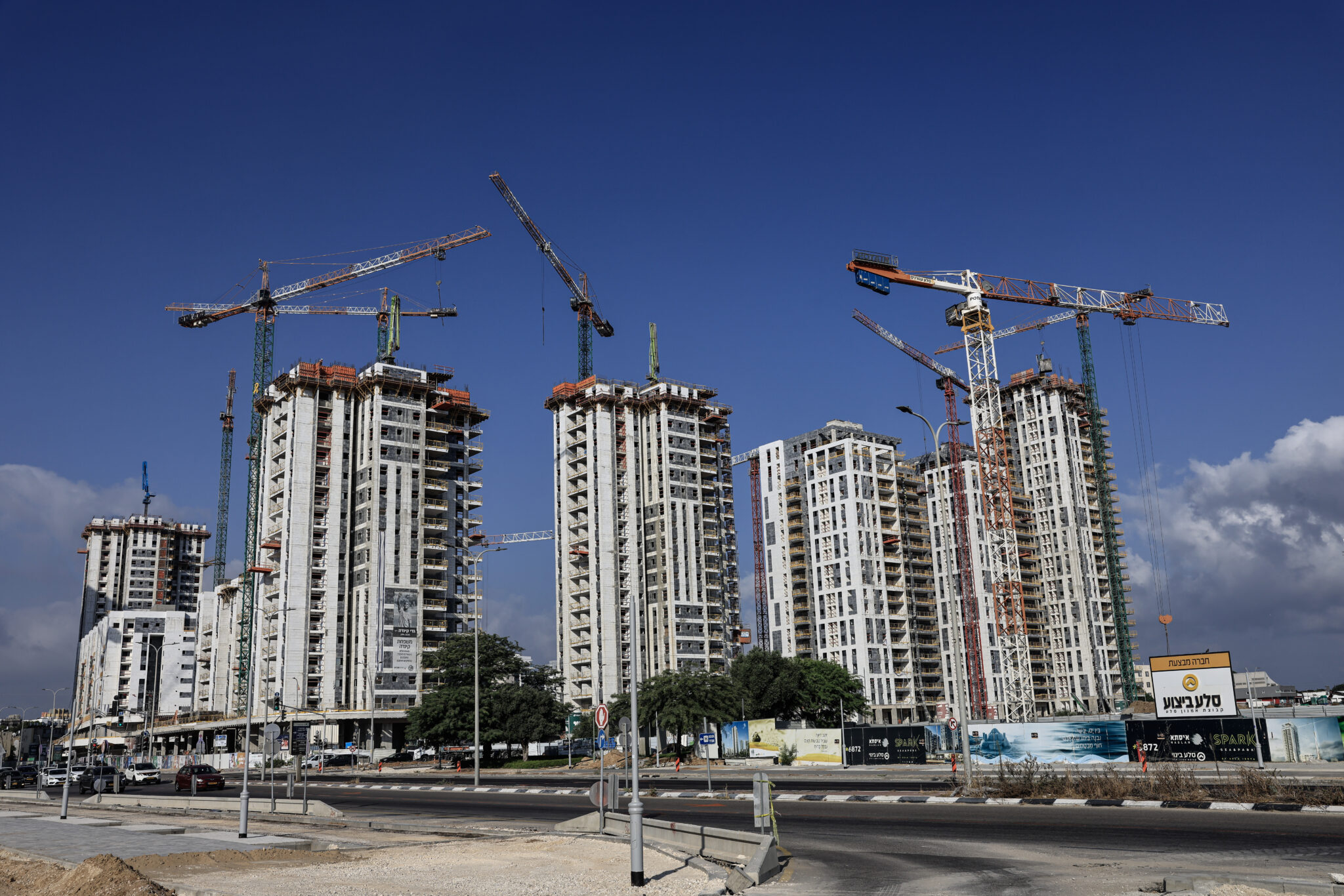
The Central Bureau of Statistics home price index, based on deals in August-September, fell 0.2% from the previous two-month period and 1.5% from a year earlier.
City results diverge sharply. Comparing the average price in the third quarter with a year earlier, Bat Yam fell 8.5%, Herzliya 7.2%, Jerusalem 5.2% and Rehovot 4%. Tel Aviv rose 12.1%, Netanya 8%, Holon 7.3% and Hadera 6.2%. The average Israeli home cost NIS 2.287 million in the third quarter, and NIS 4.606 million in Tel Aviv. New-home prices fell 0.7% from the previous period and 0.2% year on year.
Real estate investors and developers face a split housing market heading into a possible rate cut. Location now matters more than the national figure.
Quick takes
Isracard reported a 9.6% rise in revenue from the same quarter last year alongside lower profit. It announced about 350 layoffs, about 18% of its workforce, and approved a rights issue.
Teva returned with a positive arbitrage gap of about 2%.
In Asia, the KOSPI fell about 3%, led by Samsung and SK Hynix, as chip stocks came under pressure.
Leumi and Mizrahi Tefahot are expected to report later this week.
This is information only, not investment advice.