Breaking

Shikun & Binui Cut $300 Million From the Price — and Won the Bridge Project

Shikun & Binui and its partner offered $1.289 billion to replace a bridge in Pennsylvania, about 19% less than the only competing bidder • If the contract is approved, the project could more than double the group’s US order backlog compared with the end of June • Even with the low bid, CEO Amit Birman expects double-digit gross profitability

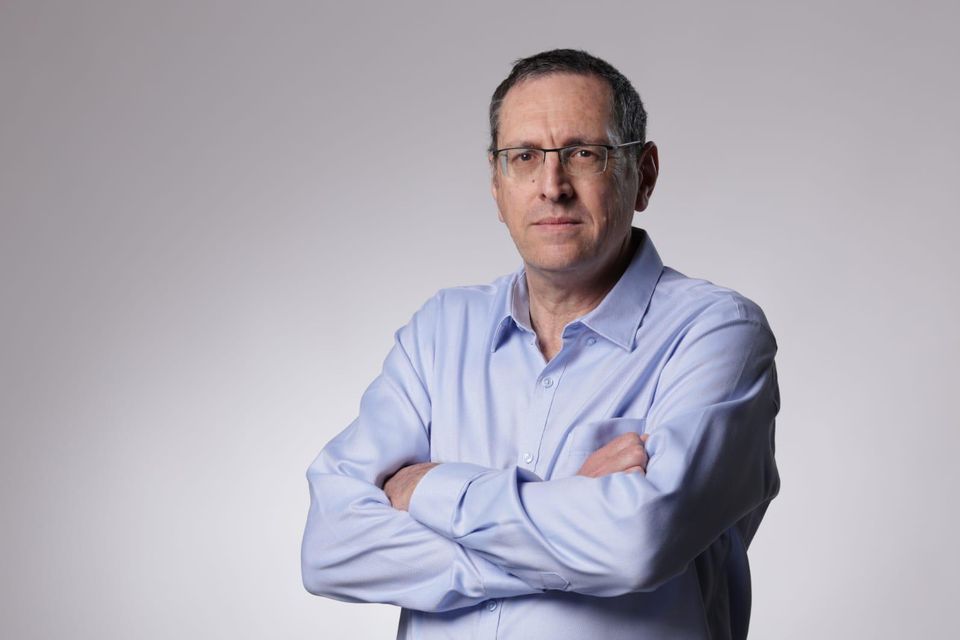
Amit Birman, CEO of Shikun & Binui Group
Amit Birman, CEO of Shikun & Binui Group | Photo: Omer Somekh

Shikun & Binui reported that its joint venture with its US partner submitted the lowest bid in a tender to replace a bridge on Interstate 83 in Pennsylvania and carry out related transportation work. The bid totals $1.289 billion, about NIS 4.12 billion, and is about $297 million, or about 19%, lower than the only competing bid. The Pennsylvania Department of Transportation designated the venture as the lowest bidder when the bids were opened. Shikun & Binui holds about 80% of the venture, and its financial share of the project is estimated at about $1.019 billion, or about NIS 3.26 billion. At the end of June, the group’s US order backlog stood at about NIS 3 billion. If the contract is awarded and the amount is included in full in the backlog, the project alone could more than double the US backlog compared with the end of June.

Shikun & Binui
Shikun & Binui | Photo: T. Schneider, Shutterstock

The work, which will begin in 2027 and continue through 2039, includes replacing the bridge over the Susquehanna River between Lemoyne and Harrisburg, as well as work on nearby interchanges and bridges. The local Department of Transportation describes the project as the largest construction contract in its history, and $500 million of its funding will come from a federal grant. Shikun & Binui said this is a construction contract with no design risks on its part and estimates that the gross profit margin will be at least at the level at which it prices similar work.

Shikun & Binui ended the first half of 2026 with revenue of about NIS 4.35 billion and gross profit of NIS 338 million, about 7.8% of revenue. Operating profit totaled NIS 140 million, and further down the report, the group recorded a pretax loss of NIS 42 million. The net loss totaled NIS 131 million, of which NIS 123 million was attributable to shareholders.

Investment in stocks, illustration

Amit Birman, CEO of Shikun & Binui, said: “We will achieve double-digit gross profitability on the project. We will now be much more comfortable bidding in tenders at higher prices and with higher margins because we are at ease. We have work for years to come, and we have an excellent project.”

Key takeaways

  • Shikun & Binui and its US partner submitted the lowest bid to replace a bridge on Interstate 83 in Pennsylvania, with a total bid of $1.289 billion.
  • The bid was about $297 million, or about 19%, lower than the only competing bid, and the Pennsylvania Department of Transportation named the venture the lowest bidder.
  • Shikun & Binui’s financial share of the project is estimated at about $1.019 billion, while its US order backlog stood at about NIS 3 billion at the end of June.
  • If the contract is awarded and fully added to backlog, the project could more than double the group’s US backlog compared with the end of June.
  • CEO Amit Birman said Shikun & Binui expects double-digit gross profitability on the project.

Questions and answers

What was Shikun & Binui’s bid in the Pennsylvania bridge tender?
The joint venture bid $1.289 billion, or about NIS 4.12 billion. It was the lowest bid in the tender to replace a bridge on Interstate 83 and carry out related transportation work.
How much lower was the bid than the competing offer?
The bid was about $297 million, or about 19%, below the only competing bid. The Pennsylvania Department of Transportation designated the venture as the lowest bidder when the bids were opened.
What did Shikun & Binui say about profitability on the project?
The company said the contract is a construction contract with no design risks on its part and expects gross profit margin to be at least at the level at which it prices similar work. CEO Amit Birman said the project should achieve double-digit gross profitability.

Share this story

About the writer

TV10 Desk

Writes for TV10, Israel’s economic channel. This story was translated from the original Hebrew.

More stories by TV10 Desk

More for you