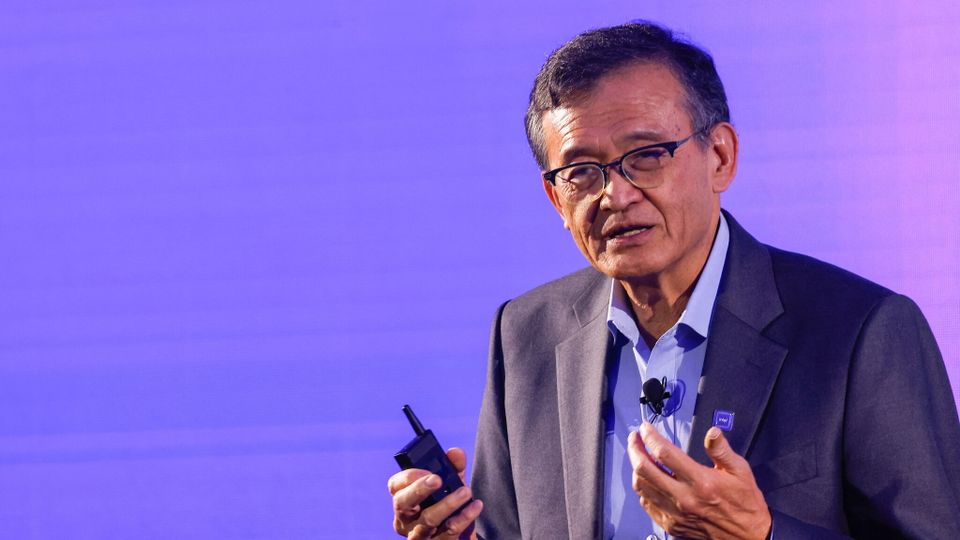
Nvidia is expected to announce new investments in Europe totaling $2 billion over the coming week, the company's CEO, Jensen Huang, said at an event in Paris today. The announcement came at the start of a tour that will also take him to London and Berlin. He said the new investments would come on top of the $8 billion the company invested on the continent over the past year.
At the same time, Huang announced new funding for four French companies: Doctolib, which develops medical practice management services; Genesis AI, which focuses on artificial intelligence for robots; Pigment, which develops AI-based business software; and Entalpic, which uses the technology for chemistry and materials research.
The move is part of Huang's broader strategy, under which he has committed to investing hundreds of billions of dollars worldwide to accelerate the adoption of artificial intelligence and its products. For Europe, the investments could help narrow the gap with the U.S., where many of the leading companies in the field operate.
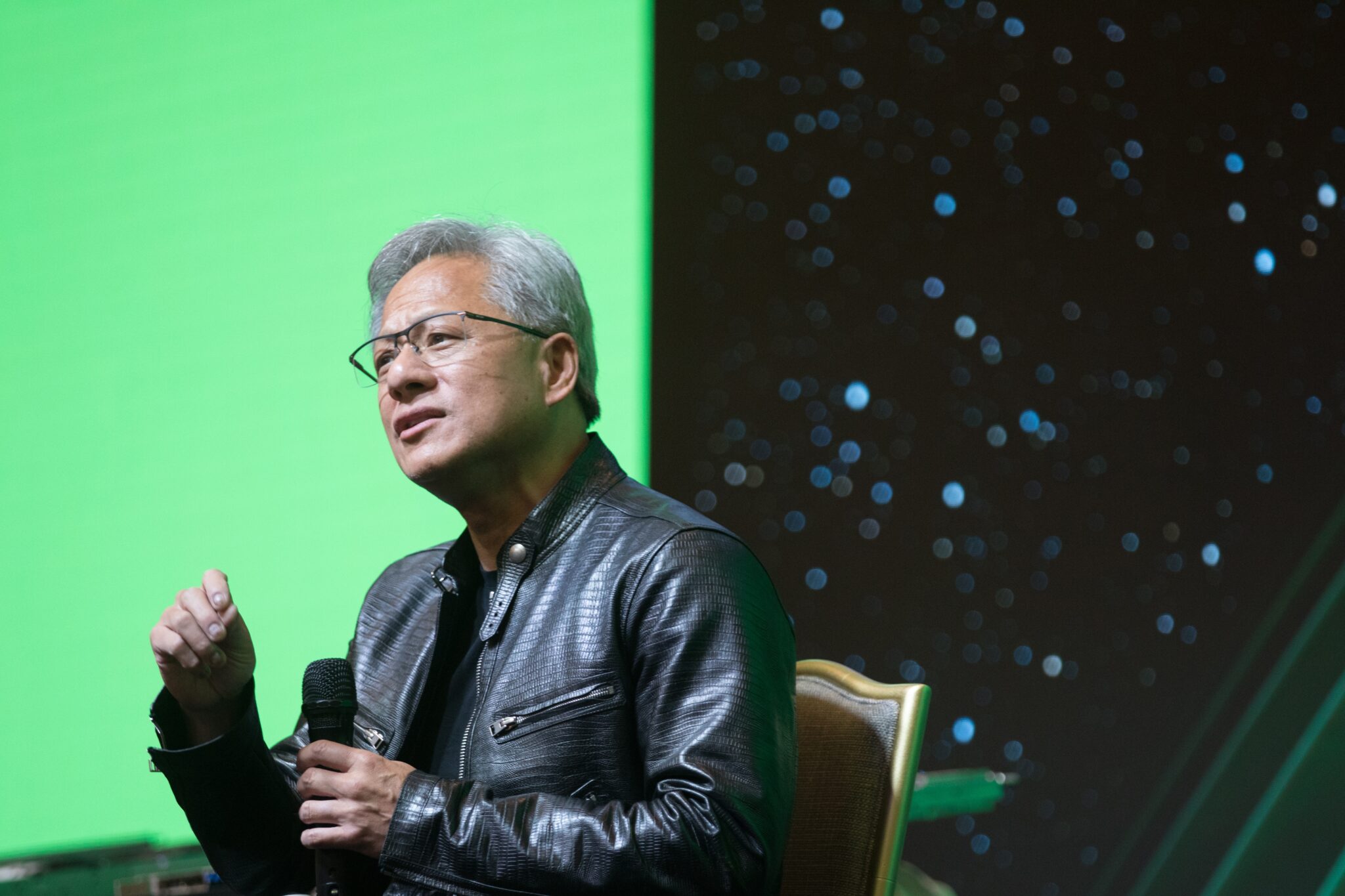
At the event in Paris, Huang said: “Europe needs to enter the race.” However, the expansion of the AI industry is also facing growing public criticism, in part because of data centers' high electricity consumption and concerns about risks arising from the operation of artificial intelligence systems. Europe and the U.K. are seeking to advance safeguards against the technology's potential risks.
Huang Opposes Slowing Development
Huang rejects calls to slow the development of artificial intelligence, arguing that it can support economic growth and be developed safely. Other AI companies, meanwhile, are examining ways to control the pace of progress following incidents in which autonomous agents exceeded the permissions granted to them. Executives addressing the issue include Anthropic CEO Dario Amodei and OpenAI CEO Sam Altman.
Huang also presented open models as a way for Europe to narrow the gap with the U.S. Such models can be adapted to local languages and needs and may be cheaper and more flexible to use. He said they could also reduce dependence on a small number of large technology companies.
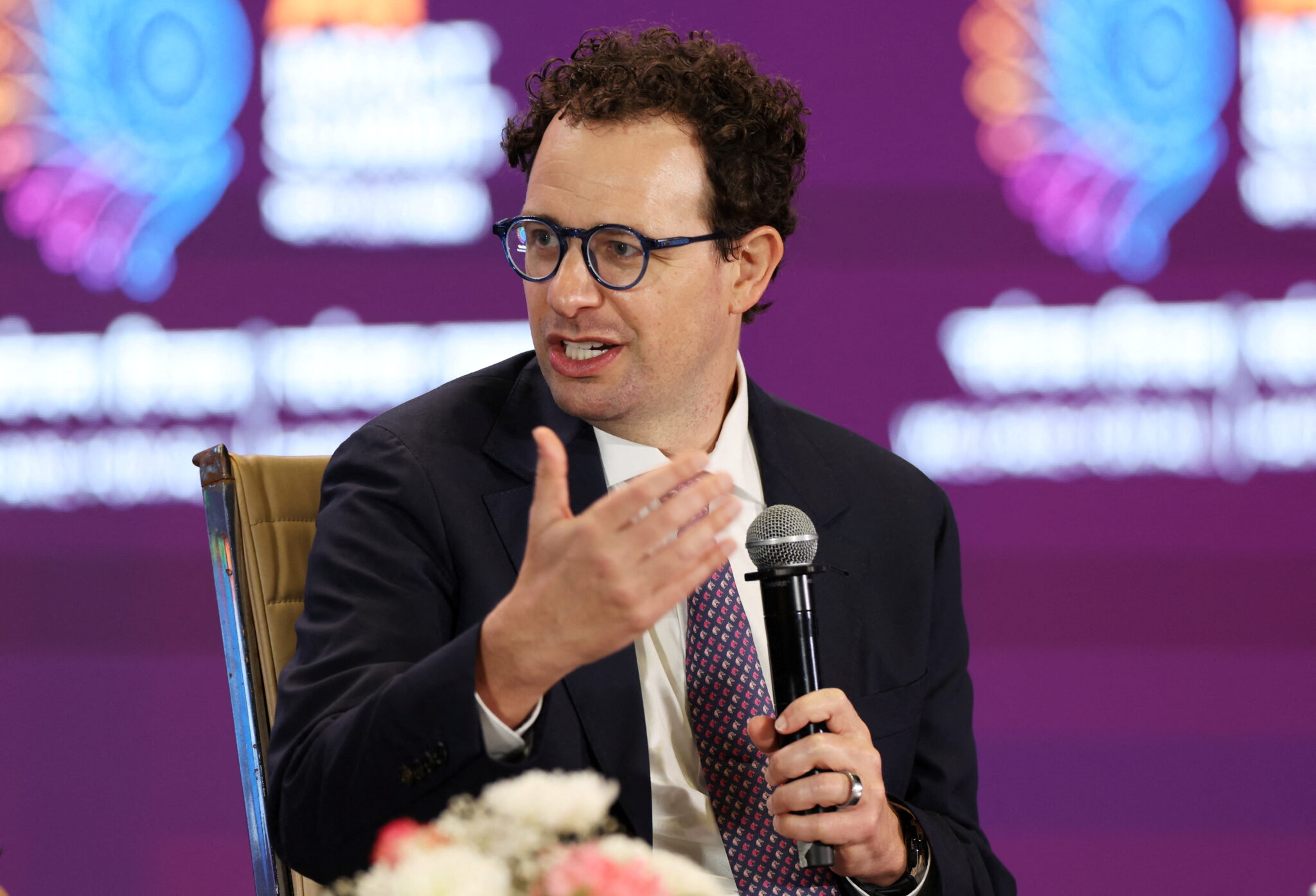
Nvidia is collaborating with French company Mistral AI, which develops open-weight models. Nvidia has invested in Mistral and supplies chips for its data centers. Mistral's latest model was trained using 4,000 Grace Blackwell chips.
“Open models are important because they can be adapted to your languages and sovereignty,” Huang said.
Funding for French Companies
One of the companies that will receive funding is Doctolib, which was founded in 2013 and provides tools for managing medical practices and scheduling appointments. The company has become a well-known service among patients in Europe. Earlier this year, employees and longtime investors sold shares totaling about €300 million in a transaction that valued the company at €3.6 billion. That was down from the €5.8 billion valuation set in a 2022 funding round.
Pigment develops business software based on artificial intelligence, while Entalpic applies the technology to research in chemistry and materials. Genesis AI focuses on developing AI systems for robots. Huang estimates that physical artificial intelligence, including humanoid robots, will be one of the technology's next major markets.