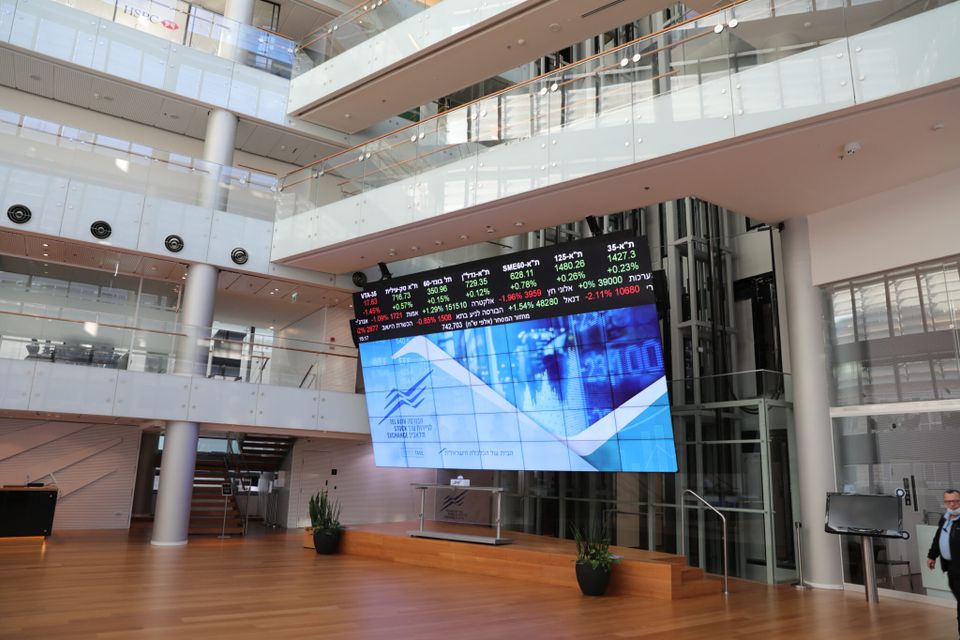
The local capital market is preparing for a tense, eventful trading week, with investors focused on the Bank of Israel's interest rate decision this coming Tuesday. The interest rate currently stands at 3.5% after two cuts this year, and market assessments are divided over the governor's next move as he faces a particularly complex crossroads.
On the one hand, the annual inflation environment stands at just 1.5%, and the shekel continues to show strength, data that support another interest rate cut. On the other hand, the labor market remains tight, and expansionary fiscal policy continues to support demand. The market's main scenario is for the interest rate to remain unchanged, with the Bank of Israel adopting a cautious approach in light of the uncertainty.

Who Is Driving the Market?
Weekly trading data for August clearly show that local money is the main driver of the Tel Aviv Stock Exchange (TASE) in 2026. During the past week, when trading turnover totaled about NIS 3.4 billion, institutional investors increased their exposure to the stock market by about NIS 924 million net, with most purchases focused on the local technology and insurance sectors.
At the same time, retail investors purchased about NIS 85 million net in stocks through portfolio managers, bringing their purchases since the beginning of the year to about NIS 3 billion. In contrast, foreign investors recorded net sales of about NIS 162 million in the stock market, despite increasing their purchases in the local banking sector by about NIS 171 million net during the trading week.
What Is Happening With the Indexes?
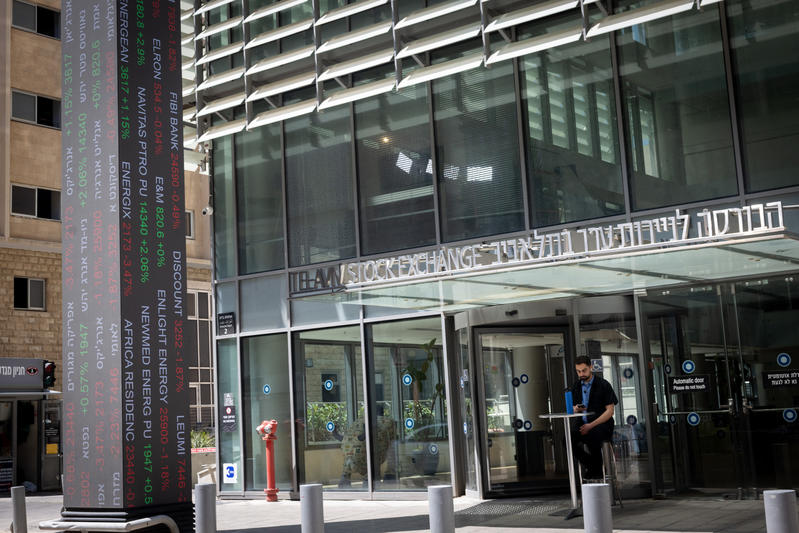
The trading week on TASE ended higher, with the TA-125 rising 0.56% and the TA-35 adding 0.01%. The TA-90 stood out with a weekly gain of 2.73%. Among the sector indexes, the TA-Insurance index again stood out, adding 7.60% and completing a surge of 38.58% since the beginning of this year.
Ahead of the opening of the new trading week, arbitrage gaps are expected to shave about 0.95% off the TA-35 at the start of trading. The pressure is coming mainly from dual-listed technology stocks, with Nova leading with a negative gap of 6.81% and Tower with a negative gap of 5.68%. In contrast, NICE and Gilat stand out positively, with positive gaps of 4.31% and 4.88%, respectively.

In the global arena, trading on Wall Street was marked by high volatility. Strong results from Nvidia supported the market, but hawkish statements by Fed Chair Kevin Warsh revived concerns about monetary tightening and pushed bond yields higher. Investors are now awaiting the U.S. employment report for August, which is expected to be released this coming Friday and determine the course of policy.