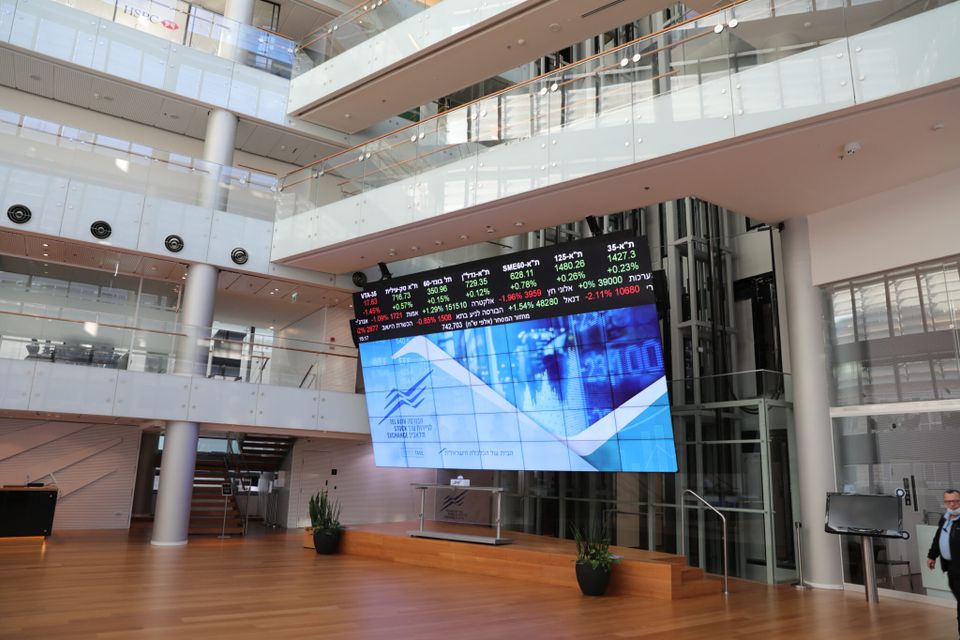
Hebrew year 5786 will be remembered as one of the strongest and most significant years for the Israeli capital market in recent years.
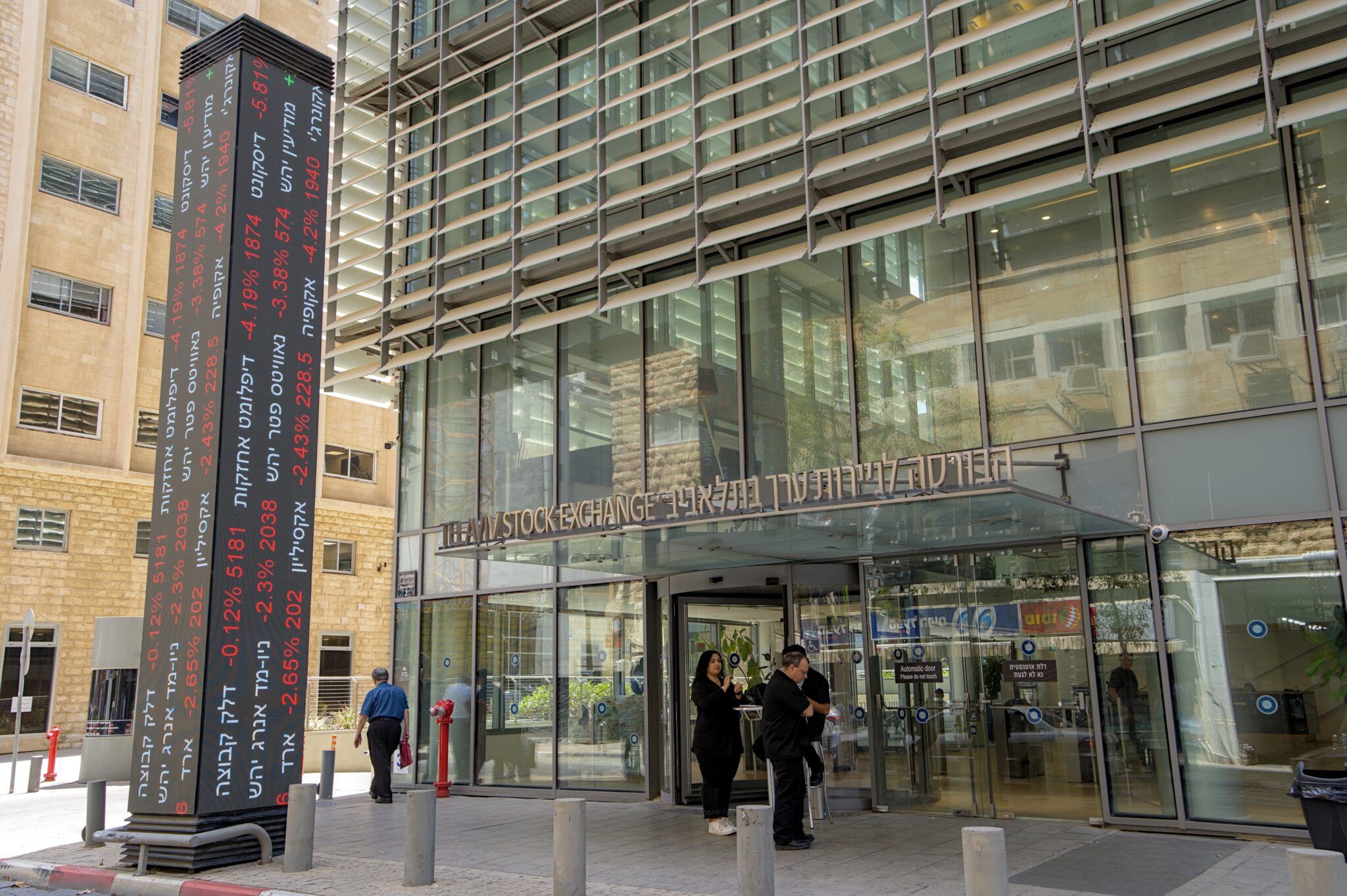
The period was marked by a gradual decline in the country’s risk premium, a stronger shekel, the start of an interest rate-cutting cycle by the Bank of Israel and a significant improvement in investor confidence. Against the backdrop of these developments, TASE indices posted sharp gains, market liquidity expanded and substantial funds flowed in from both local and international investors, according to a review by the TASE research unit.
Benchmark indices surge and outperform internationally
Local benchmark indices also stood out when compared with the world’s leading indices. The TA-35 rose an impressive approximately 40.5%, the TA-125 climbed approximately 36.8%, and the TA-90 added approximately 25.5%. These returns placed the Tel Aviv Stock Exchange (TASE) ahead of major global indices such as the S&P 500, Nasdaq 100 and MSCI World.
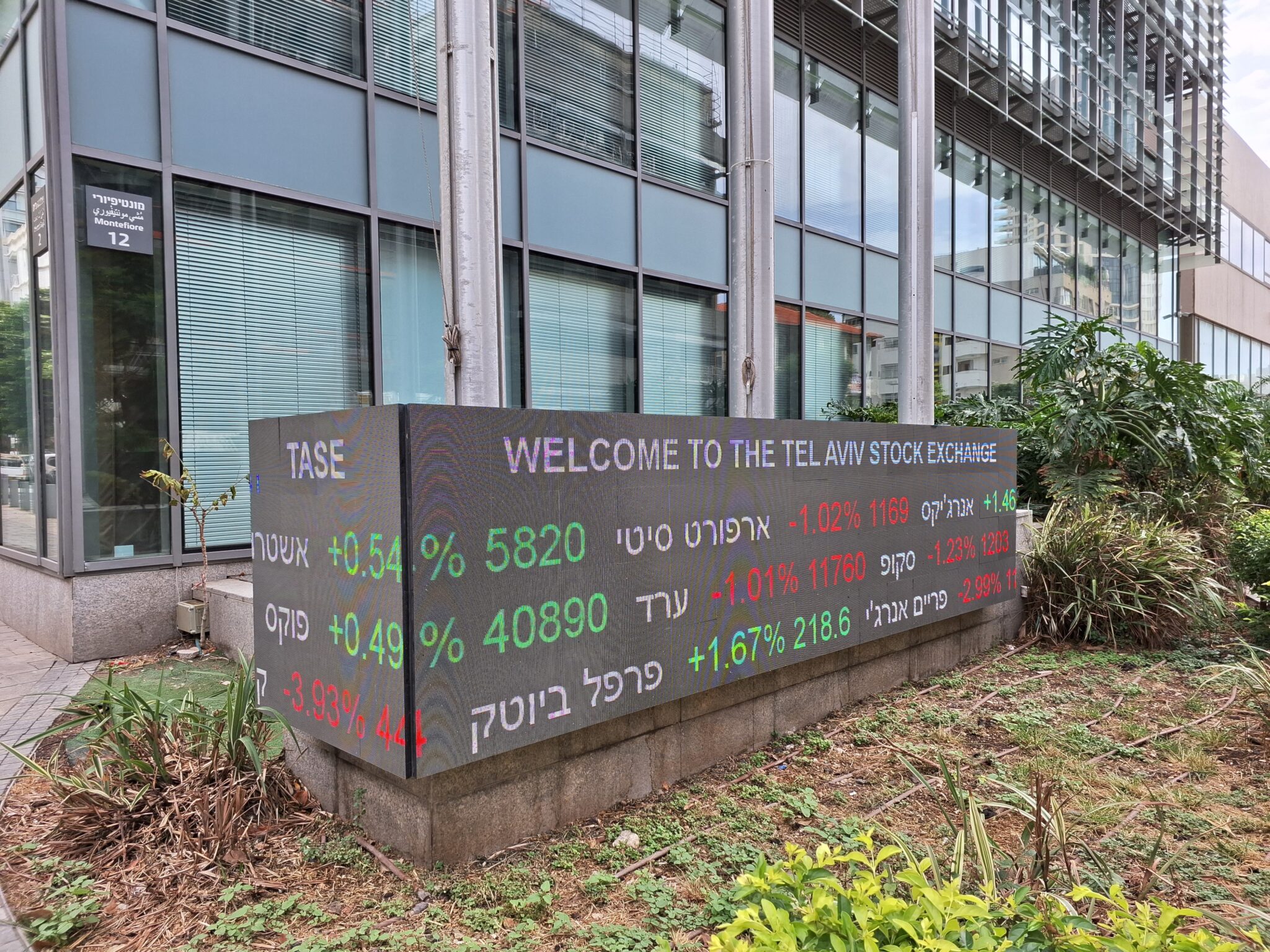
At the sector level, the TA-Insurance index topped the table with an exceptional surge of approximately 94.5%, benefiting from the decline in the interest rate environment and an increase in corporate profitability. The cleantech, financial, industrial and technology indices also posted sharp gains, while the real estate indices delivered more moderate but positive performances.
Expansion in activity and trading volumes, and an influx of foreign investors
The market gains were accompanied by a significant increase in trading volumes and active participation by the public and institutional investors. Average daily trading volume in shares reached approximately NIS 4.9 billion, compared with approximately NIS 3.1 billion in the previous Hebrew year.

A key component of this growth was the move to align trading days with Monday through Friday, making access easier for international investors. As a result, the participation rate of nonresidents in stock trading rose to approximately 31%. Mutual funds and institutional investors also injected billions of shekels net into local shares, with a notable focus on the banking, technology and insurance sectors.
Wave of IPOs, new companies and the crossing of the NIS 3 trillion threshold
During Hebrew year 5786, 33 new companies joined the Tel Aviv Stock Exchange (TASE), including 26 companies that conducted initial public offerings (IPOs) and raised a combined total of approximately NIS 10.8 billion. The total stock market capitalization crossed the NIS 3 trillion threshold for the first time and climbed to approximately NIS 3.1 trillion.

Notable events in the primary market included the major IPOs of companies such as Tidhar and Amal Holdings, alongside global cybersecurity giant Palo Alto Networks joining through a dual listing, a move that deepened the presence of international high-tech companies in the benchmark indices.
Contrasting trends in the Israeli debt market and the United States
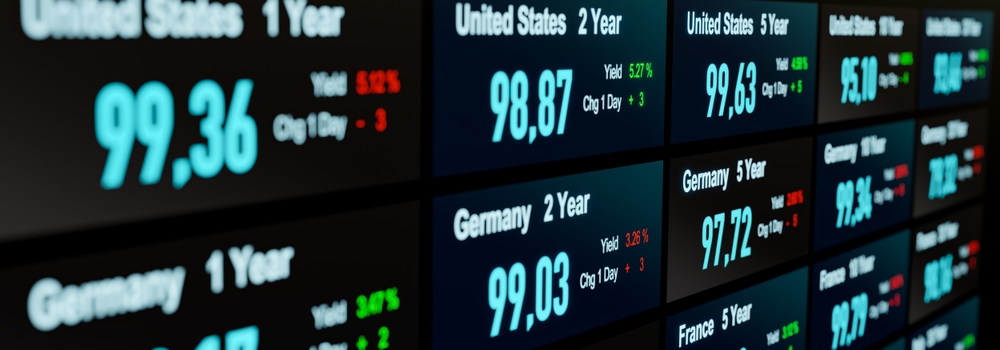
The Israeli bond market posted a very positive year, marked by a divergence from the trend in the United States. While 10-year yields rose in the U.S., interest rate cuts by the Bank of Israel and a decline in the risk premium led to lower yields and higher bond prices in Israel.

Demand in the debt market focused mainly on medium- and long-duration shekel-denominated government and corporate bonds, while the public channeled substantial funds into products tracking the Tel Bond indices. At the same time, 23 new issuers joined the debt market and together raised approximately NIS 9.6 billion.
Development of investment products and growth in the derivatives market
TASE continued to expand its range of products and launched 26 new stock and bond indices, providing investors with targeted exposure to growing sectors. In addition, market-making programs for shares and corporate bonds were expanded to improve liquidity and narrow spreads.
The futures market recorded rapid growth, with average monthly trading volume tripling to approximately 105 thousand contracts, partly following the launch of a new futures contract on the TA-Banks index.