Bank Hapoalim and First International Take Part

Nayax Makes Biggest Deal in Its History, Acquires US Company for $350 Million

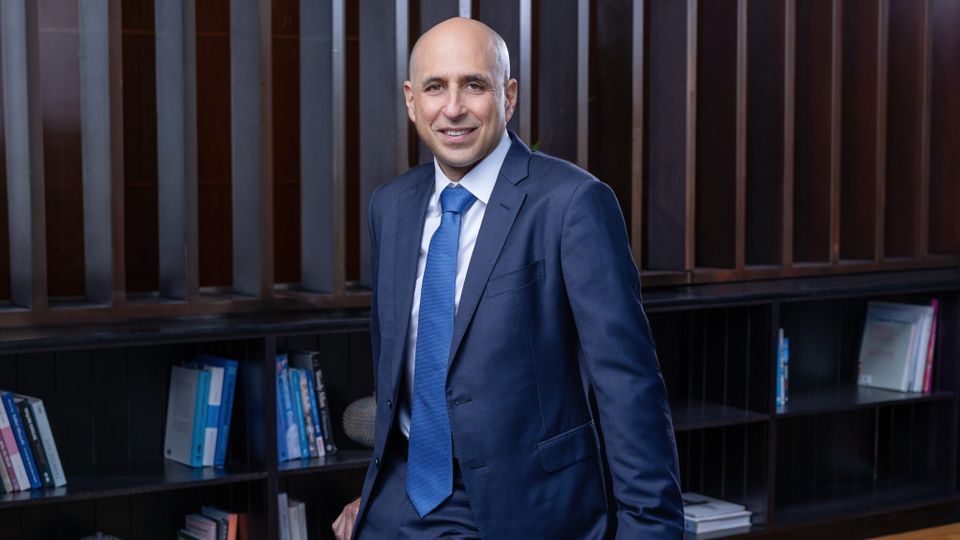
Yair Nechmad, CEO and chairman of Nayax
Yair Nechmad, CEO and chairman of Nayax | Photo: David Zisser

Nayax, which is traded on the Nasdaq and the Tel Aviv Stock Exchange (TASE) (NYAX), reported today (Friday) that it completed the acquisition of US company IPS Group for $350 million in cash, in the largest deal in the company's history. The acquisition, which Nayax first reported in August, expands its operations into the smart parking market and adds a new business segment to its payments platform.

The deal was financed with Nayax's cash reserves, along with about $150 million in new bank financing provided by Poalim Tech, the high-tech arm of Bank Hapoalim, and the First International Bank.
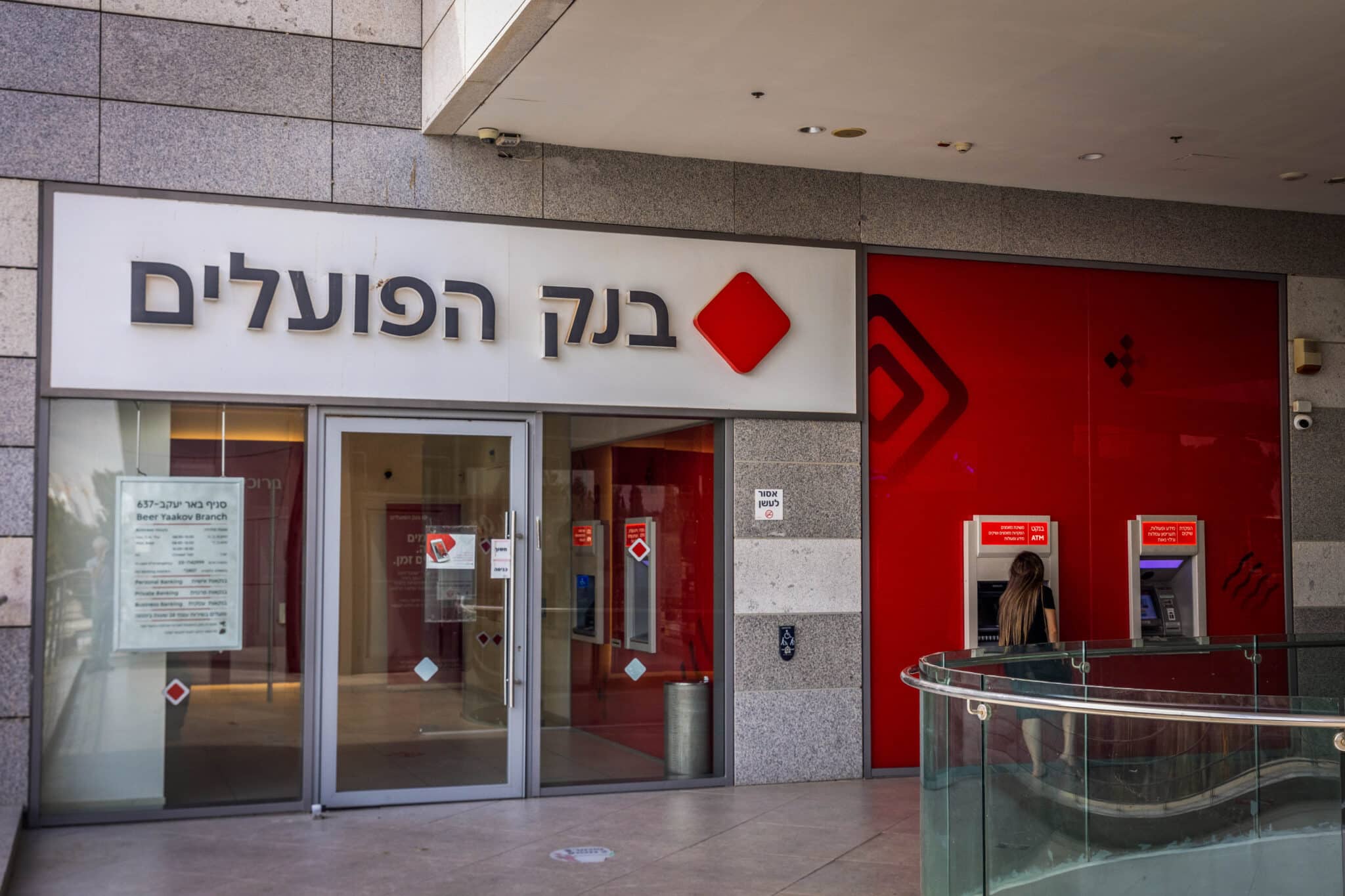
Bank Hapoalim
Bank Hapoalim | Photo: Yossi Aloni/Flash90

IPS specializes in technological solutions for parking management and payment and has operated in the sector for more than 20 years. Its technology is deployed in more than 250,000 parking spaces in the US, Canada, the UK and Ireland, and its systems process millions of transactions each year for local authorities, universities and private operators.

The company's platform includes smart parking meters, mobile and text message payments, parking permit management and enforcement systems, vehicle identification, and data-based solutions for managing parking and urban spaces.

The Nayax system. Photo: Nayax
The Nayax system. Photo: Nayax | Photo: Nayax

Financially, Nayax expects IPS to end 2026 with revenue of more than $90 million and adjusted EBITDA of about $21 million. The acquisition is expected to affect results as early as the fourth quarter, when Nayax estimates that IPS will contribute $20 million-$22 million to the group's revenue and more than $5 million to adjusted EBITDA.

The company estimates that combining the operations will expand its potential market in cashless payments by about $85 billion, bringing it to about $342 billion by 2029.
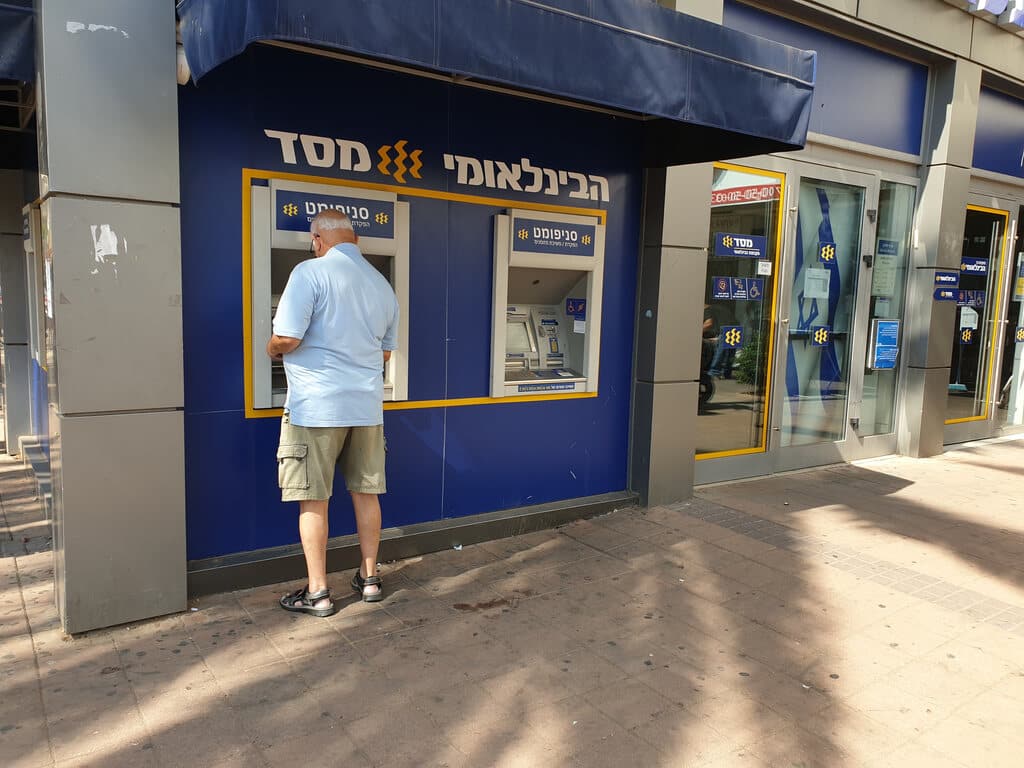
First International Bank, file
First International Bank, file | Photo: Shutterstock

Nayax plans to combine IPS's technology and presence in the parking sector with its payments infrastructure and distribution network, which spans more than 120 countries. Through the combination, the company aims to expand IPS's operations into new international markets, primarily in Europe, while offering its customers additional solutions for managing parking and urban spaces.


Key takeaways

  • Nayax completed its $350 million cash acquisition of U.S. company IPS Group, calling it the largest deal in its history.
  • The deal expands Nayax into the smart parking market and adds a new business segment to its payments platform.
  • The acquisition was financed with Nayax's cash reserves and about $150 million in new bank financing from Poalim Tech and First International Bank.
  • Nayax expects IPS to contribute $20 million-$22 million to fourth-quarter revenue and more than $5 million to adjusted EBITDA.
  • Nayax estimates the combined business could expand its cashless payments market opportunity by about $85 billion to about $342 billion by 2029.

Questions and answers

What did Nayax buy for $350 million?
Nayax completed the acquisition of IPS Group, a U.S. company specializing in technological solutions for parking management and payment. The deal was paid in cash and is the largest in Nayax's history.
How was the Nayax-IPS deal financed?
The acquisition was financed with Nayax's cash reserves and about $150 million in new bank financing. The financing came from Poalim Tech, the high-tech arm of Bank Hapoalim, and First International Bank.
What does Nayax expect IPS to add financially?
Nayax expects IPS to end 2026 with revenue of more than $90 million and adjusted EBITDA of about $21 million. It also estimates IPS will contribute $20 million-$22 million in revenue and more than $5 million in adjusted EBITDA in the fourth quarter.

Share this story

About the writer

Alma Tal Tzur

Writes for TV10, Israel’s economic channel. This story was translated from the original Hebrew.

More stories by Alma Tal Tzur

More for you