
Will the results of the election for the 26th Knesset affect how investors price the Israeli stock market? While the Tel Aviv Stock Exchange (TASE) was closed on Election Day, the U.S. iShares MSCI Israel ETF (EIS), which tracks Israeli stocks, provided an initial indication of Wall Street investors' response.
After the exit polls were released, the EIS fund experienced volatility: At 22:04, it fell to $123.39, about 0.8% below the closing price, but within six minutes it climbed back to $124.34, nearly unchanged from the regular trading close of $124.41.
The rapid fluctuations illustrate the market uncertainty in the first hours after the exit polls were released. However, this is only a snapshot, and after-hours prices may change later in the evening.
The fund rose on Election Day
Even before the exit polls were released, the fund recorded a positive trading day. According to the data provided, EIS rose about 1.8% on Tuesday and ended regular trading at $124.41.
The rise during the day does not in itself indicate a response to the election results, which were released only after regular trading had closed. Therefore, to assess investors' response to the exit polls, attention should be focused on price movements in after-hours trading and subsequent trading in the U.S.
EIS is an exchange-traded fund that provides exposure to a basket of Israeli stocks from various sectors, including finance, technology, industry and pharmaceuticals. However, its movements are also influenced by broader market trends and factors related to its constituent companies, so not every change in its price can be attributed solely to the election results.
The real test: The Tel Aviv Stock Exchange
The election results may affect investors' assessments of political stability, economic policy and Israel's risk premium. However, at this stage it is too early to determine whether the fund's fluctuations reflect a shift in investors' views of the Israeli market following the exit poll results.
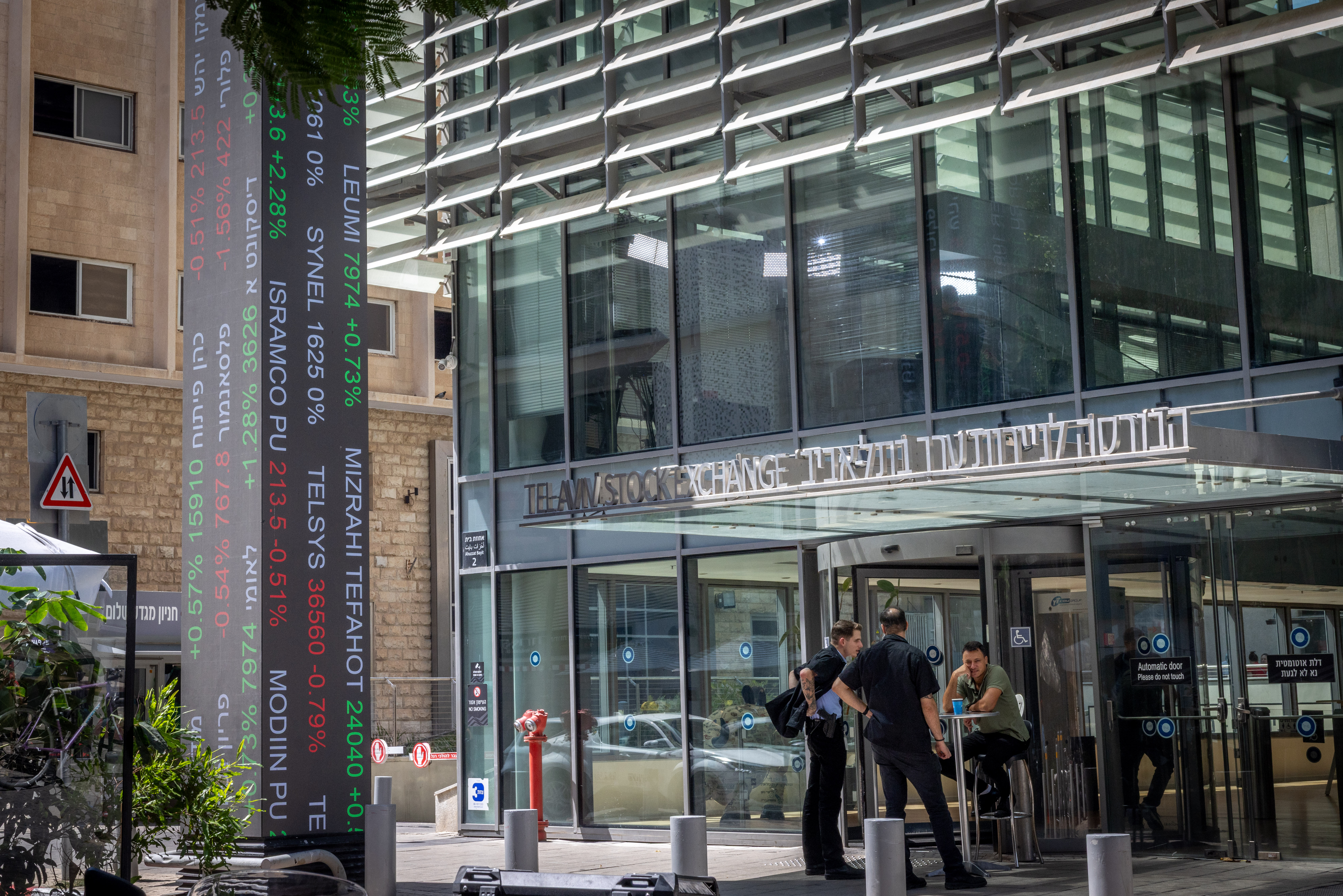
The next significant indication will come when trading opens on the TASE on Wednesday morning. It will then be possible to assess how local investors respond, the direction of trading in the main indices and whether the market shows a uniform response or differences among sectors and stocks.
Until then, the movement in EIS provides an initial glimpse of the volatility surrounding the release of the exit polls, but it still does not make it possible to determine how the Israeli market will respond.