
Breaking

TASE Erases Gains: TA-35 Plunges Below 4,000 Points

The main indexes lost close to 2% in a trading session that swung from green to red and ended with sharp declines, contrary to the positive trend on Wall Street • Banks and defense stocks led the declines, while renewable energy stocks stood out with gains

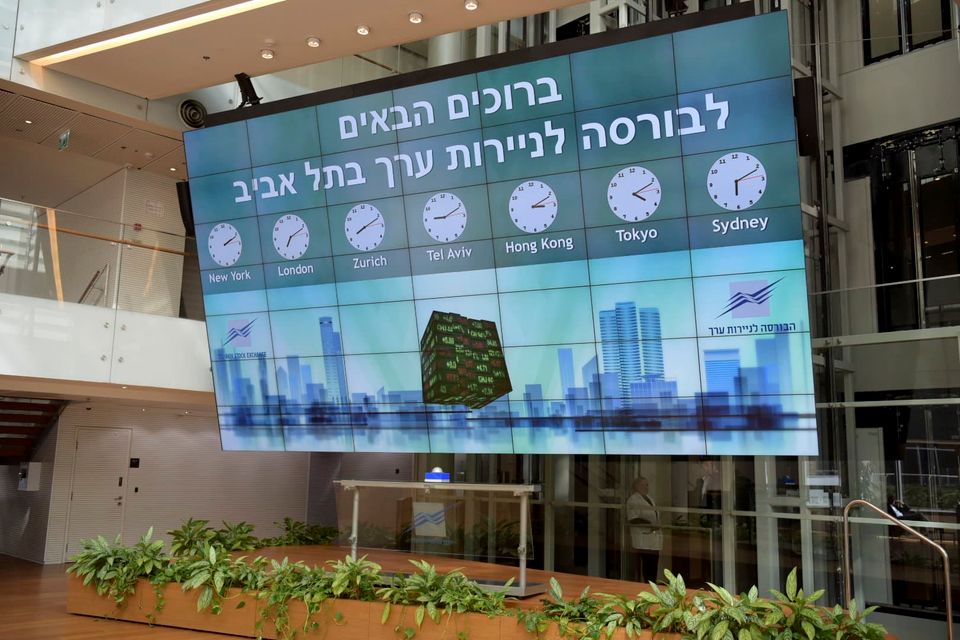
The Tel Aviv Stock Exchange
The Tel Aviv Stock Exchange | Photo: Roy Alima, Flash90

Trading on the Tel Aviv Stock Exchange (TASE) closed sharply lower today (Wednesday), with the declines deepening as the trading session progressed. The TA-35 lost about 2% and closed at 3,969 points — below the 4,000-point threshold for the first time since the end of January. The TA-125 fell 1.9%, and the TA-90 weakened by a similar rate.

The declines were particularly notable against the backdrop of the opposite trend on Wall Street. After futures on the U.S. indexes traded lower overnight, they turned higher, and trading in New York also opened in positive territory. In Tel Aviv, by contrast, what began as a positive trend gradually developed into a wave of profit-taking that intensified particularly after trading opened in the U.S.
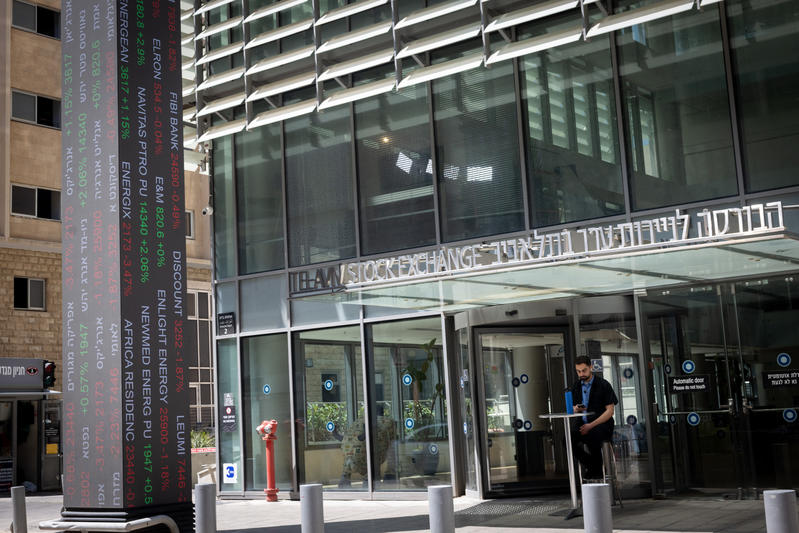
An electronic board displaying market data at the Tel Aviv Stock Exchange in Tel Aviv, April 30, 2026. Photo by Miriam Alster/Flash90 *** Local Caption *** stock exchange securities exchange Tel Aviv Stock Exchange economy Israel trading indexes trading data capital market Israeli capital market stock market Tel Aviv war Iran Israel
The Tel Aviv Stock Exchange | Photo: Miriam Alster/Flash90

Local trading is also taking place against the backdrop of political uncertainty and suspicions of foreign interference in Israel’s elections. In addition, dual-listed stocks weighed on the indexes after some posted declines following the release of financial results. Banks and defense stocks stood out with declines, with the defense index losing 2.8%.

By contrast, the renewable energy index was among the few to end the day higher, gaining 2.2%. Doral’s stock stood out positively following the launch of a project in the U.S., while Apollo Power also rose after reporting that it had signed a new agreement.

The gap between the performance of the local exchange and the U.S. market is again raising the question of whether foreign investors are beginning to reduce their exposure to Israeli stocks. However, at this stage there are no data that make it possible to determine that the declines reflect an outflow of foreign investors’ funds, and caution is needed before drawing conclusions based on a single trading day.

In the corporate sector, Israir is in negotiations to acquire Arkia — a development that could reshape the local aviation market. Meanwhile, Discount Bank addressed the weakening of the shekel, attributing it in part to conditions in U.S. markets and estimating when the local currency could recover.


Key takeaways

  • The TA-35 fell about 2% and closed at 3,969 points, below 4,000 points for the first time since the end of January.
  • The TA-125 declined 1.9% and the TA-90 weakened by a similar rate as trading in Tel Aviv reversed from gains to losses.
  • Banks and defense stocks led the declines, with the defense index dropping 2.8%.
  • Renewable energy stocks were among the few bright spots, with the renewable energy index rising 2.2%.
  • The article says there is no data yet to conclude the drop reflects foreign investors pulling money out of Israeli stocks.

Questions and answers

Why did the Tel Aviv Stock Exchange fall today?
The article says the market moved from an early positive trend to sharp declines, with profit-taking intensifying after U.S. trading opened. Banks, defense stocks, and some dual-listed shares weighed on the indices.
Which indexes fell the most?
The TA-35 lost about 2% and closed at 3,969 points, while the TA-125 fell 1.9% and the TA-90 weakened by a similar rate. The defense index lost 2.8%.
Did the article confirm foreign investors were selling Israeli stocks?
No. It says the gap between Tel Aviv and Wall Street raises the question, but there are no data at this stage showing that the decline reflects an outflow of foreign investors’ funds.

Share this story

About the writer

TV10 Desk

Writes for TV10, Israel’s economic channel. This story was translated from the original Hebrew.

More stories by TV10 Desk

More for you