

After announcing in August a dividend distribution of approximately NIS 529 million following the sale of a stake in its subsidiary Reshef, Arit Industries filed a petition with the court to distribute a dividend of approximately NIS 211 million that does not meet the profit test. Yesterday (Tuesday), Judge Dana Amir of the Economic Department at the Tel Aviv District Court ordered the authorities to submit their positions within 30 days. The distribution itself has not yet been approved.
At the end of 2025, Arit signed a major deal to sell approximately 14% of the shares in its subsidiary Reshef. The deal totaled approximately NIS 900 million. About half the amount went into Reshef’s coffers, and the other half, approximately NIS 450 million, was paid to Arit in exchange for the sale of shares in the subsidiary. The consideration was received in two stages, in December 2025 and in the first quarter of 2026.
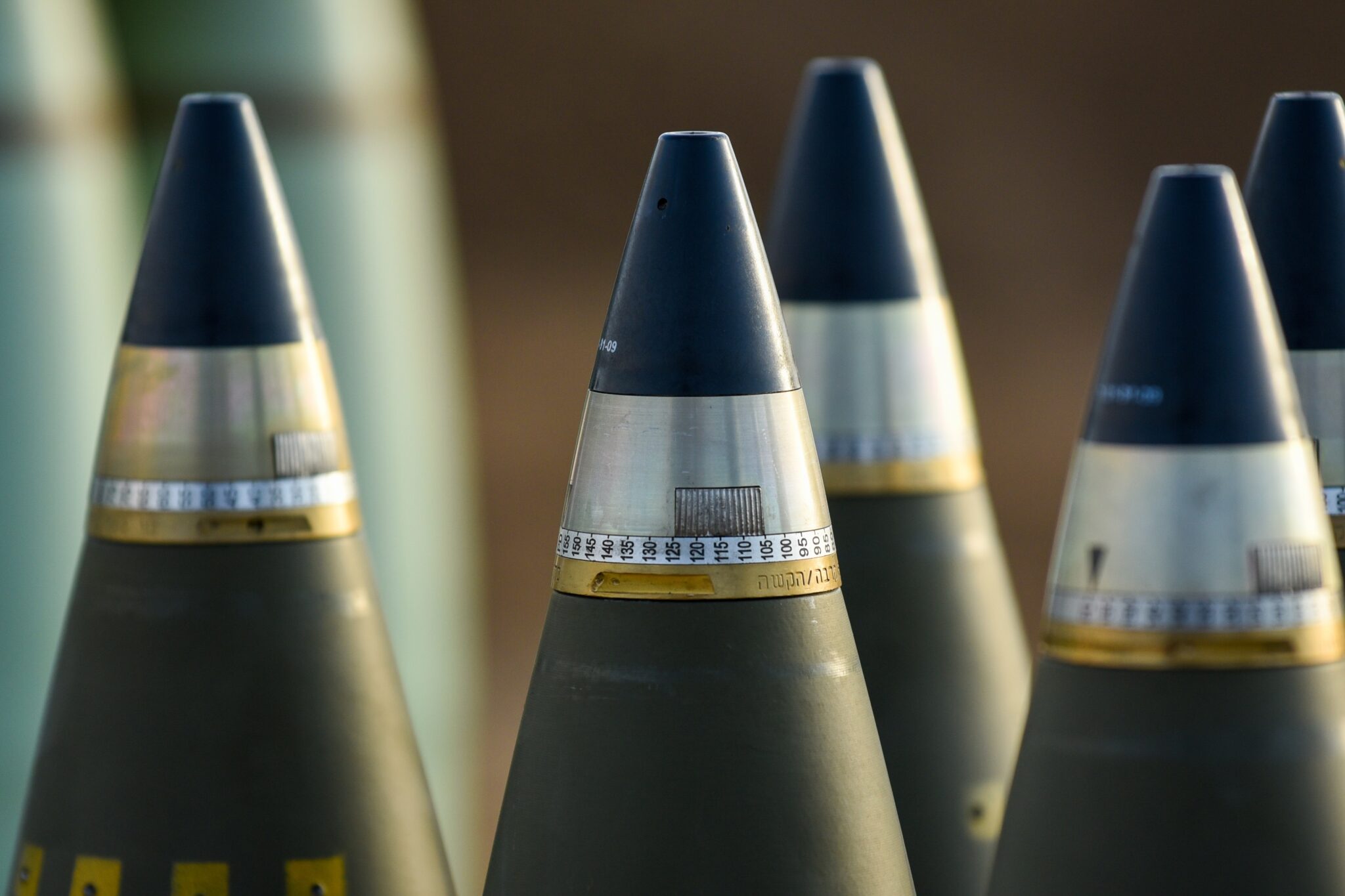
The structure replaced a plan to take Reshef public, with institutional investors instead entering the subsidiary through a private transaction. After the deal was completed and the options were exercised, Arit remained the controlling shareholder, with a holding of approximately 77.6% in the company where its fuze operations are concentrated.
The scale of the deal enabled Arit to advance a large distribution to shareholders, and in August this year, despite a relatively weak quarter, it announced a dividend plan of approximately NIS 529 million, including approximately NIS 317.4 million designated for payment in September and approximately NIS 211.6 million whose distribution requires court approval. This portion is related to the profit from the sale of Reshef shares and does not meet the profit test required for a distribution.
Because having assets to finance the dividend is not sufficient to permit the requested distribution, Arit announced back in August that it did not meet the profit test and therefore petitioned the court. The company’s board is seeking approval for the distribution based on its assessment that Arit will be able to meet its obligations even after the payment.

The cash flow forecast Arit attached to the petition presents the basis for this assessment. At the end of June, Arit held financial assets worth approximately NIS 649.2 million. For the forecast, the company assumed that the entire balance would be liquidated by the end of 2026 to finance the dividends; in the third quarter, assets worth approximately NIS 314 million had already been liquidated. After the two distributions and the anticipated expenses, the company forecasts that it will have approximately NIS 125.9 million remaining at the end of the year and approximately NIS 115.3 million at the end of September 2028.
If the dividend is approved, Zvi Levy, Arit’s controlling shareholder, may receive an additional approximately NIS 83 million, after already receiving approximately NIS 125 million in the September installment. Levy will also continue to control Reshef through Arit. According to the forecast it submitted, after the two distributions Arit will have approximately NIS 126 million remaining in its coffers at the end of the year. If it retains the funds from the additional distribution, under the same cash flow assumptions, the balance will be approximately NIS 338 million. According to the board’s position, Arit can make the payment; the question for shareholders is why it should give up another NIS 212 million now, after already distributing NIS 317 million.