
Growth in civilian and military aviation pushed Paz Retail and Energy's net profit to NIS 190 million in the third quarter, compared with NIS 145 million in the corresponding quarter last year. The increase in Israeli and foreign aviation activity boosted fueling, transportation and fuel storage operations. Paz attributes about NIS 40 million of the NIS 73 million increase in the transportation energy segment's EBITDA to aviation services. The company says activity remained at a high level after the end of the quarter and that it is preparing to continue supplying fuel in 2027.

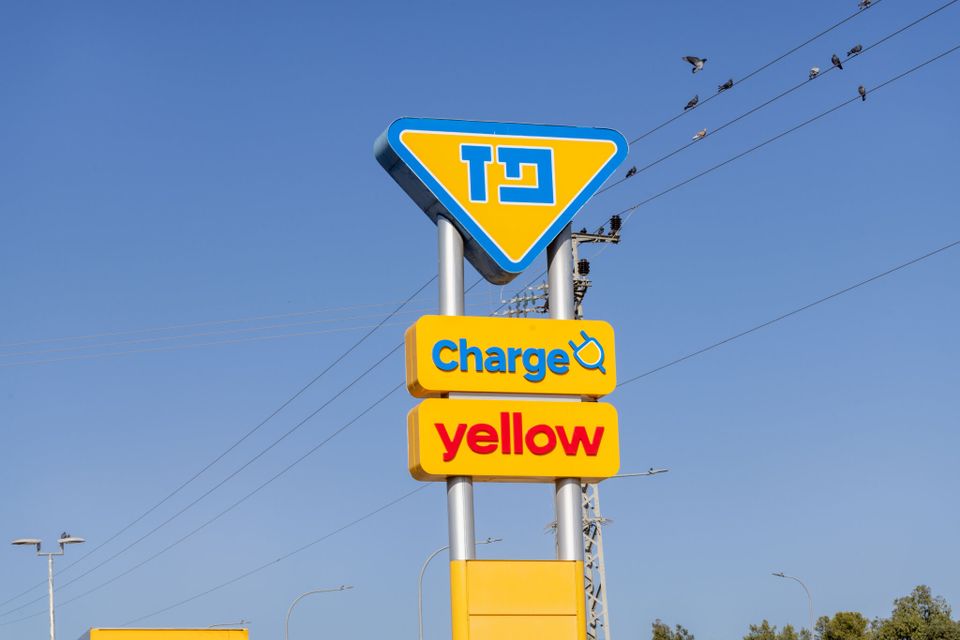
The transportation energy segment sold 873 million liters of fuel in the quarter, up 16% from the corresponding period. The segment's gross profit grew 37% to NIS 426 million, and EBITDA surged 51% to NIS 215 million. Electricity sales at Paz's public charging stations grew 40% to 11.9 million kWh. The number of stations rose over the year from 262 to 370, spread across 123 locations.
At Paz's stores, travel abroad was felt in the opposite direction. Revenue in food retail, which includes neighborhood supermarkets and convenience stores, fell from NIS 858 million to NIS 829 million. The company attributes most of the decline to a 21% increase in Israelis traveling abroad during the quarter. The segment's operating profit fell by NIS 1 million to NIS 75 million. Because sales fell at a greater rate than operating profit, the operating margin edged up from 8.9% to 9%.

At Pazgas, revenue fell 6% to NIS 258 million, but gross profit grew 26% to NIS 62 million and EBITDA rose from NIS 17 million to NIS 24 million. Paz attributes the improvement in its gas operations in part to the acquisition of agencies and a decline in gas prices. The company also reported signing an agreement to sell its electricity supply operations to Super Power. In the real estate segment, Paz recorded a one-time provision of NIS 13 million following a ruling in a lawsuit from 2008 concerning the Pal-Kal issue.
At the group level, reported EBITDA rose 17% to NIS 415 million, while net financing expenses fell from NIS 45 million to NIS 37 million. Net profit from ongoing operations rose from NIS 133 million to NIS 187 million, about 41%, and the company also recorded a capital gain of NIS 3 million from the sale of a logistics property.
Paz's free cash flow totaled NIS 228 million in the quarter, compared with NIS 167 million in the corresponding quarter, and the quarterly dividend increased from NIS 120 million to NIS 160 million. In the first nine months of the year, net profit totaled NIS 511 million, up 16%, and dividends reached NIS 420 million. Net debt stood at about NIS 2 billion at the end of September, down 17% from the end of the corresponding quarter.