
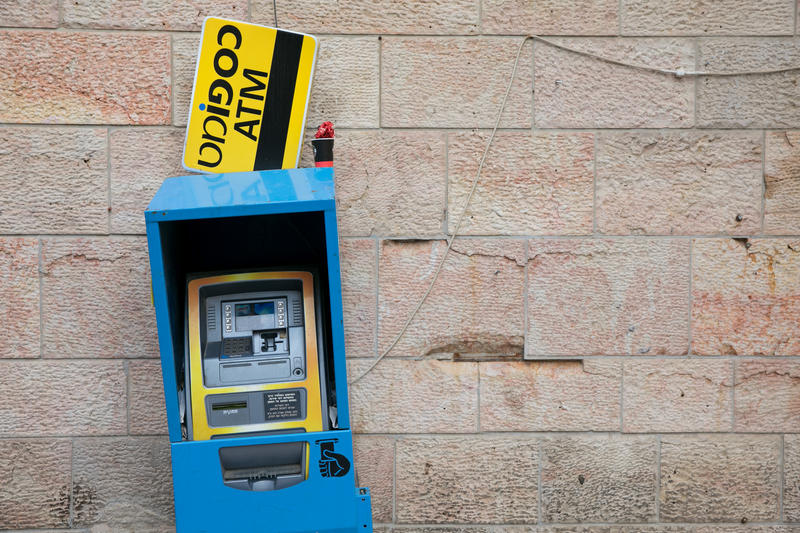
The trend of reduced cash use in Israel gained momentum, with Israelis preferring credit cards to cash, according to the third-quarter reports of payment infrastructure operator SHVA. Between July and September, 56 million more charge transactions passed through the company’s system than in the same months last year, an increase of 8.2%, while its ATM switch recorded fewer withdrawal requests and balance inquiries. In other words, fewer transactions were recorded at ATMs connected to SHVA, but the total amount of cash customers sought to withdraw was almost unchanged from last year, suggesting that customers may have requested cash withdrawals less frequently and in larger amounts each time.
SHVA provides banks and credit card companies with the infrastructure to authorize card payments and settle transactions between them. It also charges them based on the number of transactions passing through the system, meaning more transactions result in more revenue. These services generated NIS 35.9 million for the company during the quarter, about 86% of its total revenue.
Overall, SHVA’s revenue rose about 3% to NIS 41.8 million. Expenses increased to NIS 32.9 million, mainly due to the strengthening of its technology and information security systems and increases in depreciation and payroll expenses. Operating profit was cut by about one-third to NIS 8.9 million, while its share of revenue fell from about 32% to about 21%. The company recorded net financing income of NIS 249 thousand, compared with about NIS 3 million in the corresponding quarter, a gap it attributed to market volatility. The decline in financing income compounded the decrease in operating profit. Net profit totaled NIS 7.1 million, compared with NIS 12.3 million last year.
Despite the decline in credit card withdrawals, SHVA completed development in the second quarter of a feature allowing users to request a cash withdrawal by tapping a card or digital wallet on an ATM. In its card payment system, the company expanded support for refunds in foreign currencies during the third quarter.
In the first nine months of the year, SHVA’s revenue rose about 3% to NIS 120.7 million, while net profit fell about 34% to NIS 23.7 million. Cash flow from operating activities declined from NIS 48.1 million to NIS 20.3 million.

Processing Will Become More Expensive
Last month, the first stage of an increase in payment processing rates paid by businesses took effect, following an increase in the prices SHVA charges credit card companies for using its payment infrastructure. SHVA is effectively consolidating the hardware rates into a uniform rate of NIS 11.5 beginning in January. The rate for a card reader will therefore be NIS 11.5 per reader in January, compared with NIS 6 before the October update, while the rate for a payment terminal will be reduced from NIS 14.5 before the October update to NIS 11.5 in January. This increase could also be passed on to consumers.