
Laser-Based Computing

LightSolver to Develop Optical Processor for DDR&D

CollPlant subsidiary signs multiyear agreement with Defense Ministry • Goal: Address complex computing loads in a global market worth billions

CollPlant Biotechnologies

Israeli biotech and deep-tech company CollPlant, which is traded on Nasdaq, is reporting a business and defense breakthrough for its subsidiary LightSolver.

The company signed a multiyear framework agreement with the Defense Ministry’s Directorate of Defense Research & Development (DDR&D), under which it will develop and supply its unique laser processor (LPU - Laser Processing Unit) for advanced and complex computing applications.
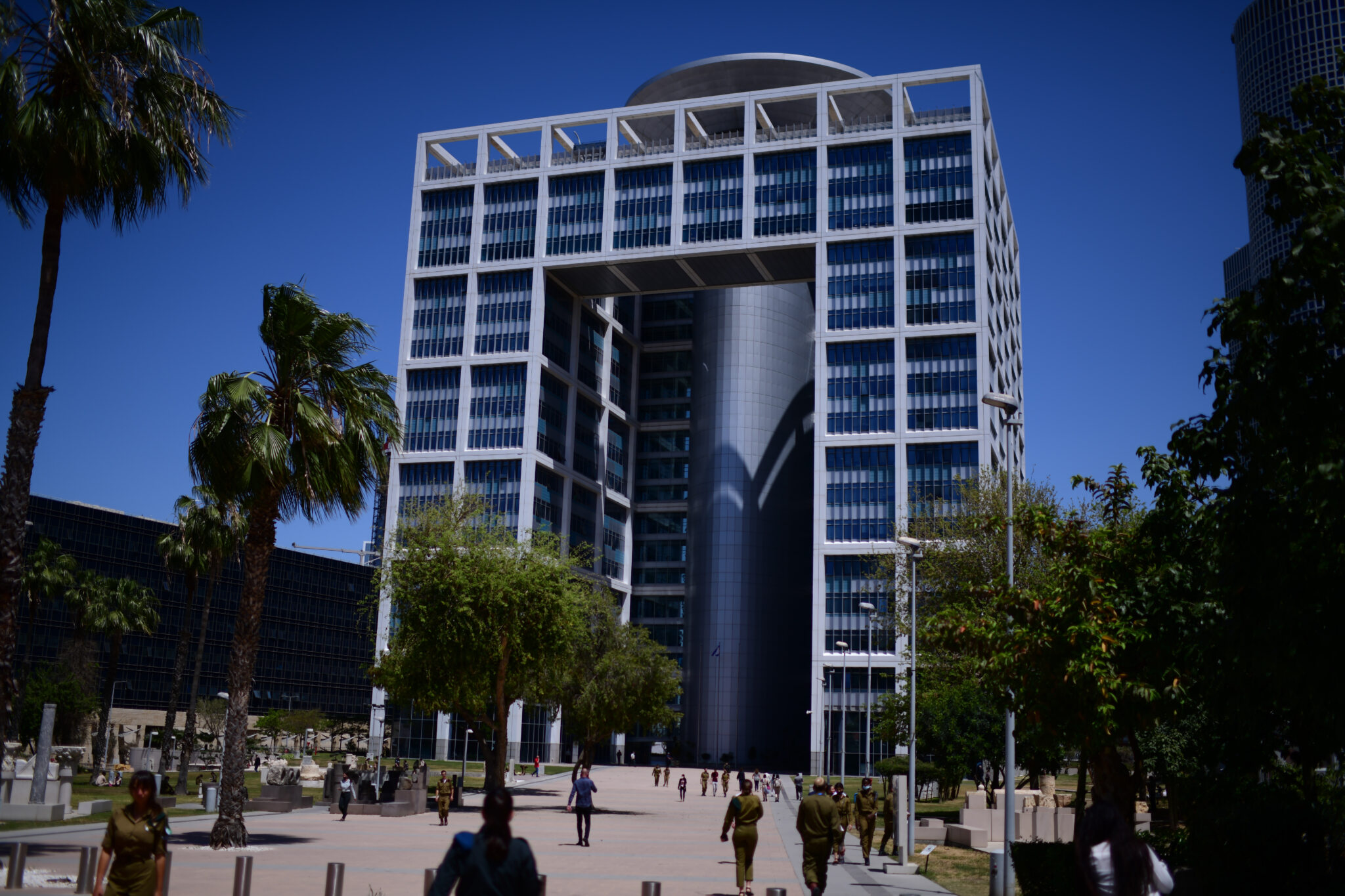
A view of the Defense Ministry headquarters at the Kirya in Tel Aviv, April 22, 2021.
A view of the Defense Ministry headquarters at the Kirya in Tel Aviv, April 22, 2021. | Photo: Tomer Neuberg – Flash90

The current agreement follows a successful proof of concept conducted by the parties and includes an initial order covering the first 12 months of the engagement.

A Growth Engine in a Multibillion-Dollar Market

The move gives LightSolver a strategic government defense customer and strengthens the company’s transition from proof-of-capability stages to funded, revenue-generating development programs.

Alongside the company’s existing collaboration with aerospace giant Boeing, the agreement with DDR&D marks the defense sector as one of the company’s most significant growth engines.

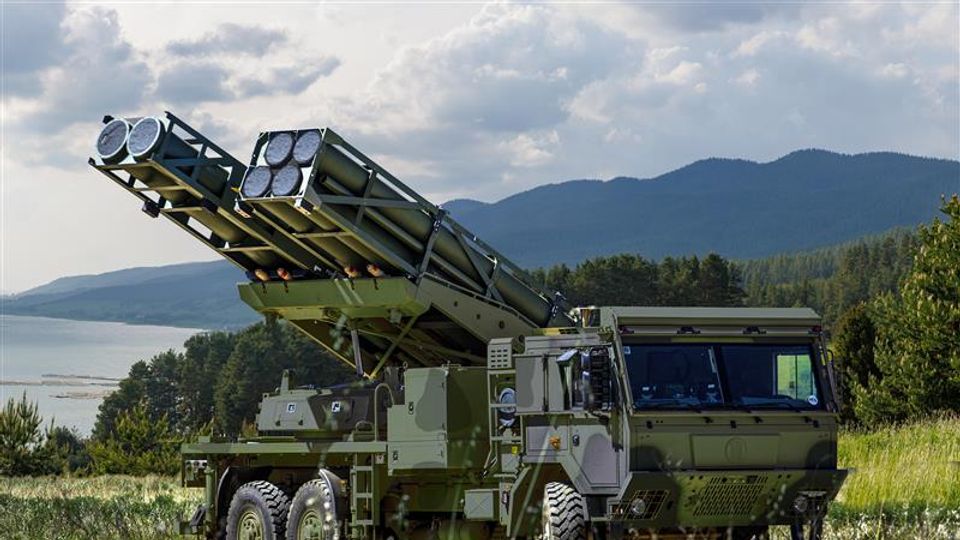
Israeli defense exports
Israeli defense exports | Photo: Shutterstock

LightSolver’s potential target market in the global defense sector is estimated at up to $5 billion annually, with a compound annual growth rate (CAGR) of about 15%.

Addressing the Silicon Chip Bottleneck

LightSolver’s technology offers an alternative to computing architectures based on conventional silicon chips and GPUs, which currently face performance bottlenecks, unusually high energy consumption and high cooling costs in data centers.

GPU chip
GPU chip | Photo: Shutterstock

The company’s LPU operates with a fully optical architecture (Closed-loop all-optical core), translating multidimensional mathematical problems into physical processes involving the interaction of laser beams, enabling significantly faster computation times alongside substantial energy savings.

A Local Technological Achievement With an International Outlook

DDR&D views the collaboration as an opportunity to advance high-performance computing technologies and strengthen Israel’s technological leadership globally, while LightSolver’s management emphasizes that the capabilities being developed under this framework are also relevant to the advanced computing needs of allied militaries, foremost among them the United States.

Danny Gold, head of DDR&D
Danny Gold, head of DDR&D | Photo: Daniel Shitrit, Flash90

The agreement also formalizes intellectual property arrangements and technology usage rights and constitutes a central pillar of CollPlant’s expansion strategy beyond its traditional activity in regenerative medicine.


Key takeaways

  • CollPlant subsidiary LightSolver signed a multiyear framework agreement with the Defense Ministry’s Directorate of Defense Research & Development (DDR&D) to develop and supply its LPU laser processor.
  • The agreement follows a successful proof of concept and includes an initial order covering the first 12 months of the engagement.
  • The deal gives LightSolver a strategic government defense customer and supports its move from proof-of-capability work to funded, revenue-generating development programs.
  • LightSolver says its potential target market in the global defense sector is estimated at up to $5 billion annually, with a CAGR of about 15%.
  • The company says its fully optical architecture is designed to address performance bottlenecks, high energy consumption and high cooling costs associated with conventional silicon chips and GPUs.

Questions and answers

What did LightSolver sign with the Defense Ministry’s DDR&D?
LightSolver signed a multiyear framework agreement with DDR&D to develop and supply its LPU laser processor for advanced and complex computing applications. The agreement also includes an initial order for the first 12 months.
Why is this agreement important for LightSolver?
The article says it gives LightSolver a strategic government defense customer and strengthens its transition into funded, revenue-generating development programs. It also marks defense as one of the company’s most important growth engines.
What does LightSolver say its technology does better than silicon chips and GPUs?
LightSolver says its fully optical architecture offers an alternative to conventional silicon-chip and GPU-based computing. The company says it can help overcome performance bottlenecks while reducing energy use and cooling costs.

Share this story

About the writer

Shai Nogai

Writes for TV10, Israel’s economic channel. This story was translated from the original Hebrew.

More stories by Shai Nogai

More for you