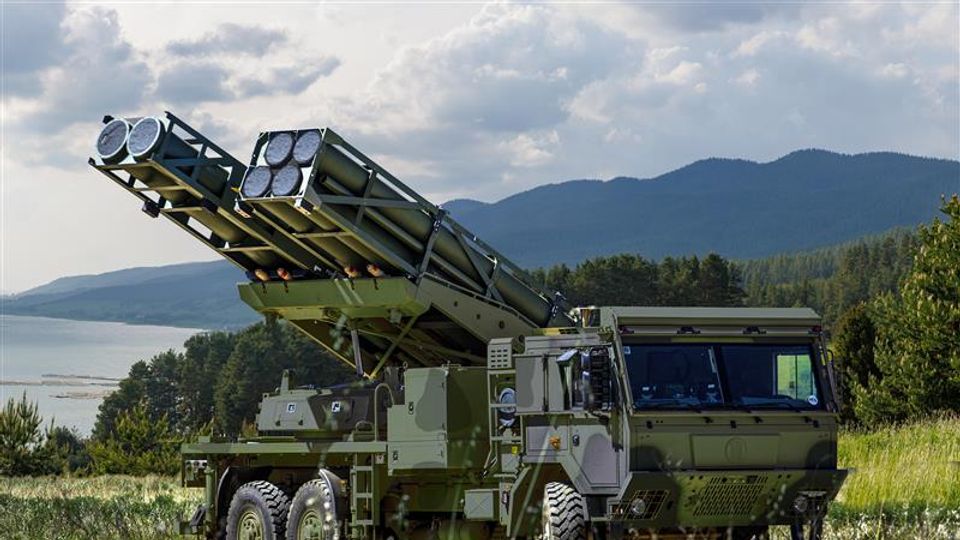
Expanding Operations

Rafael Targets Global Cruise Missile Market With SUPER ICE

The system can be launched from the air, sea and ground • It is equipped with a 1,000-pound warhead for strategic strikes, with full compatibility across the ICE BREAKER family to reduce costs for militaries worldwide

Rafael logo
Rafael logo | Photo: Shutterstock

Rafael Advanced Defense Systems is expanding its portfolio of strategic systems for the international defense market and unveiling the long-range SUPER ICE cruise missile.

The new system joins the ICE BREAKER and SEA BREAKER missile family and marks a clear business move aimed at expanding the company's market share in precision stand-off weapons among militaries worldwide.

An Operational Leap and Advanced Technical Specifications

The new development is based on the technological breakthroughs of the fifth-generation ICE BREAKER series but features a larger, powerful 1,000-pound warhead, equivalent to an MK83 bomb, designed to strike heavy strategic targets.
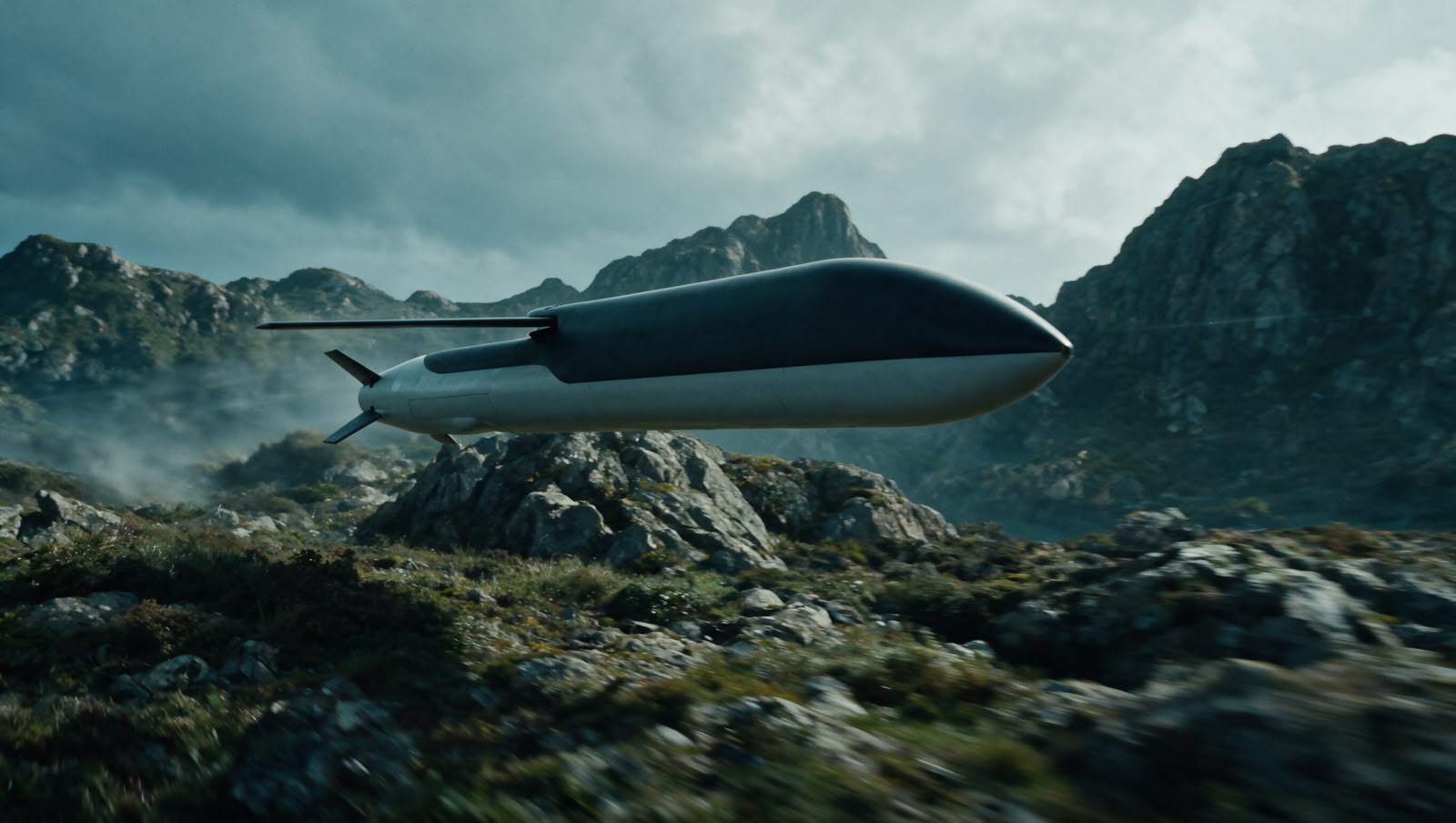
SUPER ICE
SUPER ICE | Photo: Rafael Spokesperson's Office

The system offers low-altitude terrain-following flight capabilities, full operation in all weather conditions, electronic warfare immunity and autonomous navigation, alongside an advanced electro-optical seeker based on high-precision image-matching technology.

The Business Advantage: Multidomain Flexibility and Life-Cycle Cost Savings

From an economic and logistical perspective, the development provides a clear competitive advantage to existing and new customers through full compatibility with the launch, mission-planning and maintenance systems of the ICE BREAKER family.

The missile was designed for integration with a wide range of aerial platforms without requiring major investments or costly structural modifications to the aircraft themselves, alongside the ability to launch from ground-based and sea-based launchers.
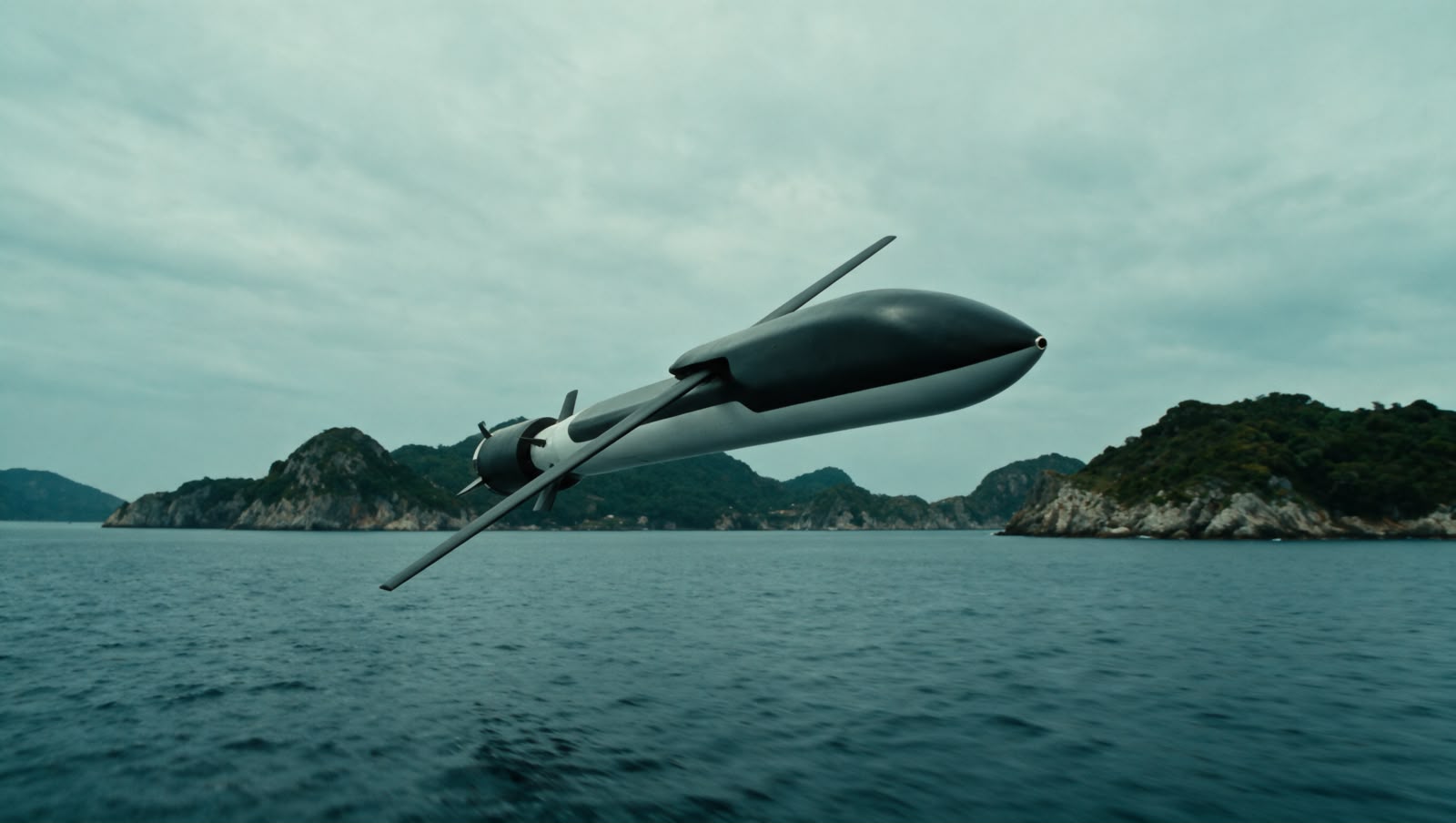
SUPER ICE
SUPER ICE | Photo: Rafael Spokesperson's Office

As Rafael notes, integrating the various models within the same family allows customers to precisely match the weapon's power to the nature of the target while dramatically reducing the system's life-cycle costs (LCC).

Meeting Global Demand for Defense and Stand-Off Fire

The system's launch comes as global defense budgets are surging and many militaries are seeking solutions to counter advanced air defense systems from safe distances.
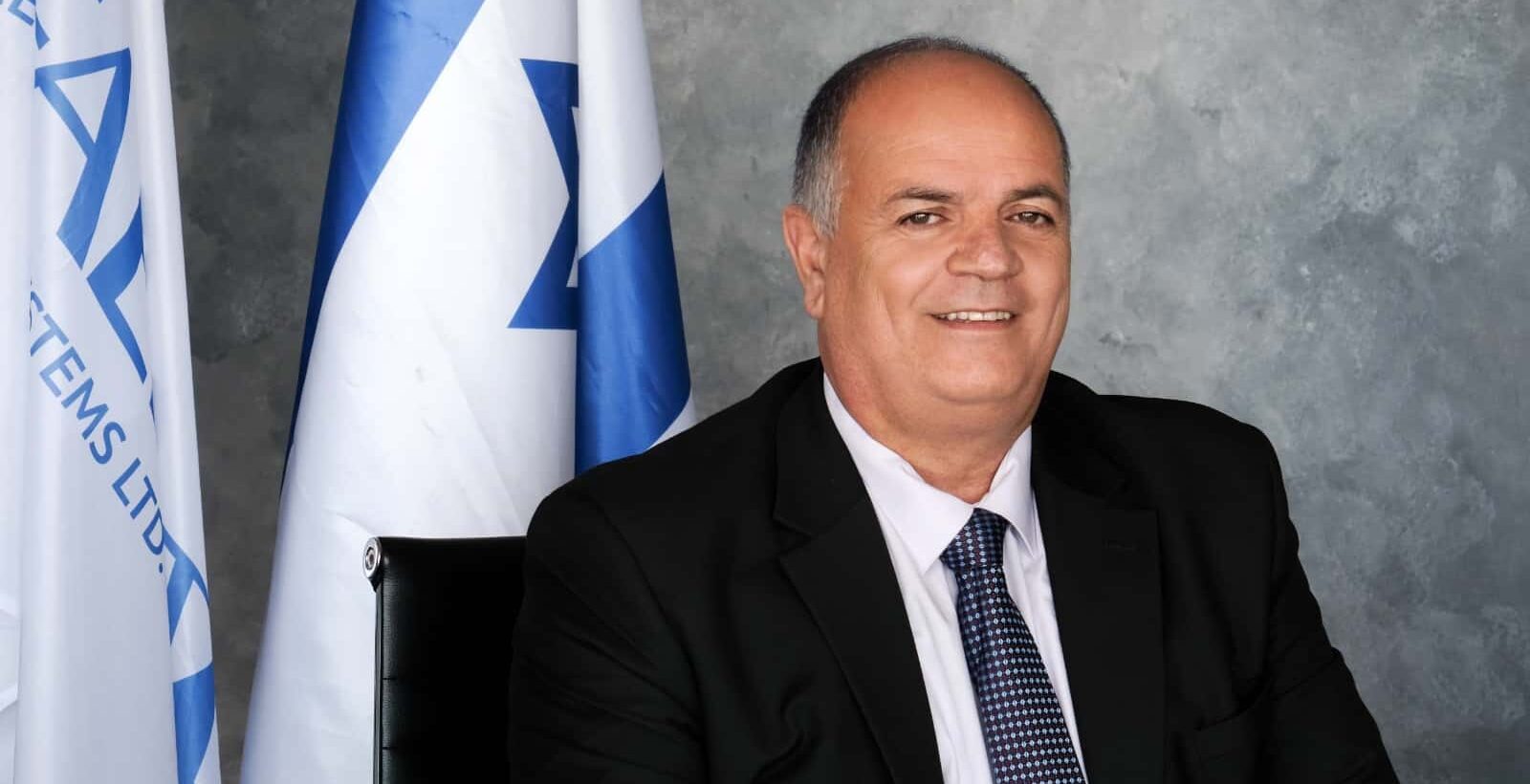
Yoav Turgeman, Rafael CEO
Yoav Turgeman, Rafael CEO | Photo: Rafael

Company executives emphasize that the development builds on a reputation established over decades of experience and technological development in Israel and positions Rafael as a leader in the competition for major contracts in the international cruise missile market.

Key takeaways

  • Rafael Advanced Defense Systems unveiled SUPER ICE, a long-range cruise missile for the international defense market.
  • SUPER ICE joins the ICE BREAKER and SEA BREAKER family and is meant to strengthen Rafael’s share in precision stand-off weapons worldwide.
  • The missile carries a 1,000-pound warhead, equivalent to an MK83 bomb, and is designed for heavy strategic targets.
  • Rafael says the system can launch from air, ground and sea platforms and is compatible with the ICE BREAKER family’s launch, mission-planning and maintenance systems.
  • The company says that family-wide compatibility can reduce life-cycle costs for militaries while matching weapon power more closely to the target.

Questions and answers

What is SUPER ICE and who made it?
SUPER ICE is a long-range cruise missile unveiled by Rafael Advanced Defense Systems. It is part of the ICE BREAKER and SEA BREAKER missile family.
What are SUPER ICE’s main capabilities?
Rafael says the missile has low-altitude terrain-following flight, all-weather operation, electronic warfare immunity and autonomous navigation. It also uses an advanced electro-optical seeker based on high-precision image-matching technology.
Why does Rafael say the system has a business advantage?
The company says SUPER ICE is fully compatible with the ICE BREAKER family’s launch, mission-planning and maintenance systems. That compatibility is meant to reduce life-cycle costs and avoid major structural modifications to aircraft.

Share this story

About the writer

Shai Nogai

Writes for TV10, Israel’s economic channel. This story was translated from the original Hebrew.

More stories by Shai Nogai

More for you