The Bank of Israel faces a complex interest rate decision due tomorrow (Tuesday). After two consecutive cuts in May and July, which lowered the interest rate to 3.5%, markets largely expect the interest rate to remain unchanged, but the possibility of another 0.25 percentage-point cut, to 3.25%, remains on the table.
On the one hand, conditions allow for further cuts, while on the other, there are reasons the Bank of Israel may prefer to wait and assess the impact of the cuts already made.
One of the main arguments in favor of another interest rate cut is the decline in annual inflation to 1.5%, its lowest level since May 2021. Inflation is within the 1%-3% price stability target and therefore, at this stage, does not create significant pressure requiring the Bank of Israel to keep the interest rate at its current level.
The strong shekel:
The strength of the shekel also supports an interest rate cut, with the Israeli currency strengthening since the beginning of the year by about 7% against the dollar, about 8% against the euro and about 7.5% against the currency basket. The strong shekel makes imports cheaper and helps moderate inflation, but at the same time makes conditions more difficult for exporters and domestic industry. An interest rate cut could support domestic activity, but could also weaken the shekel.
At the same time, the relatively high real interest rate also gives the Bank of Israel room for another cut. The nominal interest rate stands at 3.5%, compared with annual inflation of 1.5%, leaving a gap of about 2 percentage points and keeping credit conditions restrictive for households and businesses.
Economic activity and the labor market — a mixed picture
Real economic activity adds to the mixed picture. The economy grew by 3.6% in the second quarter, equivalent to 15.4% at an annualized rate, but domestic demand was more subdued. At the same time, the unemployment rate rose from 2.9% to 3.1%, but the labor market remained tight, and many sectors are still experiencing a labor shortage that could lead to higher wages and price pressures.
Fiscal policy also strengthens the argument for caution. The increase in civilian and defense spending and the high deficit could increase demand in the economy and, combined with a labor shortage, create wage and price pressures.
However, today's low inflation is not necessarily the picture that will persist in the coming months. The Bank of Israel is also expected to take into account the anticipated developments in the upcoming readings. The Consumer Price Index (CPI) for August is expected to rise by about 0.9% and may even approach 1%, partly following an increase of 61 agorot, or 8.2%, in the price of fuel at the beginning of the month. Conversely, a decline of about 25 agorot in the price of fuel in September is expected to moderate the index next month.
Moreover, developments in the U.S. are also making it harder for the Bank of Israel to cut the interest rate. Federal Reserve Chair Kevin Warsh at Jackson Hole raised the market-implied probability of a U.S. interest rate increase in September from about 35% to about 60%, and led to an increase in bond yields. If the U.S. raises the interest rate while the Bank of Israel lowers it, the interest rate differential between the countries could shift against the shekel. This could lead to depreciation of the shekel and higher import prices, thereby creating renewed inflationary pressure.
In Europe, too, the monetary environment has become less conducive to an interest rate cut in Israel. If Europe and the U.S. both move toward higher interest rates, a cut in Israel could widen interest rate differentials and increase the risk of volatility in the shekel and the markets. The European Central Bank raised interest rates by 0.25 percentage points in June, and markets expected another increase in September. A combination of more hawkish policy in the U.S. and Europe could increase the Bank of Israel's caution, primarily because of the possible implications for the shekel exchange rate.
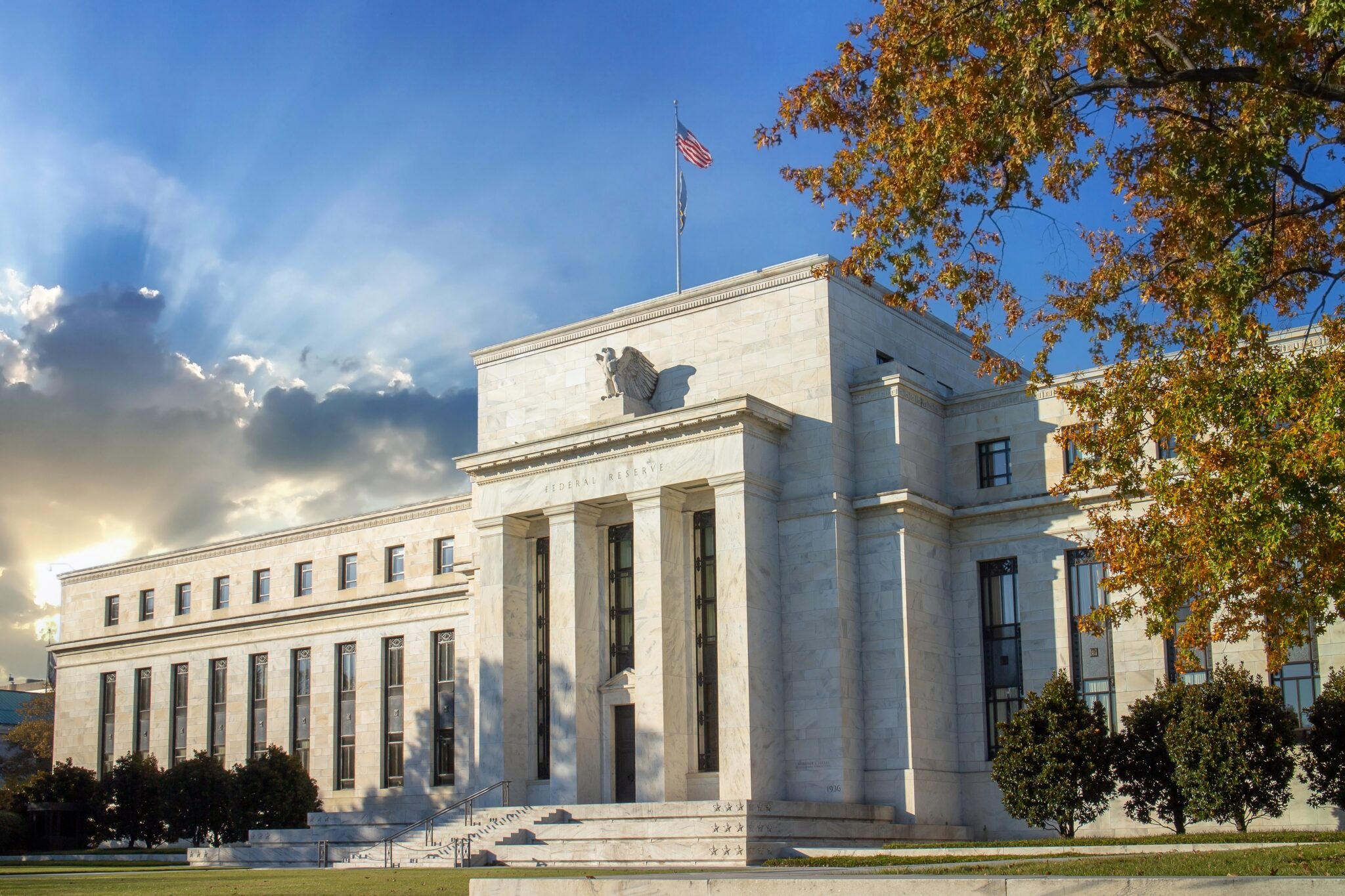
The interest rate in Israel has been cut four times since November 2025, from 4.5% to 3.5%, an important point because the Bank of Israel has already carried out a significant easing process. Therefore, even if the data allow for another cut, it may wait to see how the previous cuts affect consumption, credit, mortgages and business activity in practice.
A change in the Bank of Israel interest rate directly affects the prime rate and therefore some mortgages and loans. The Bank of Israel interest rate currently stands at 3.5%, and the prime rate at 5%. If the committee decides on another quarter-percentage-point cut, the prime rate will fall accordingly to 4.75%, which could reduce the cost of credit and prime-linked loans.

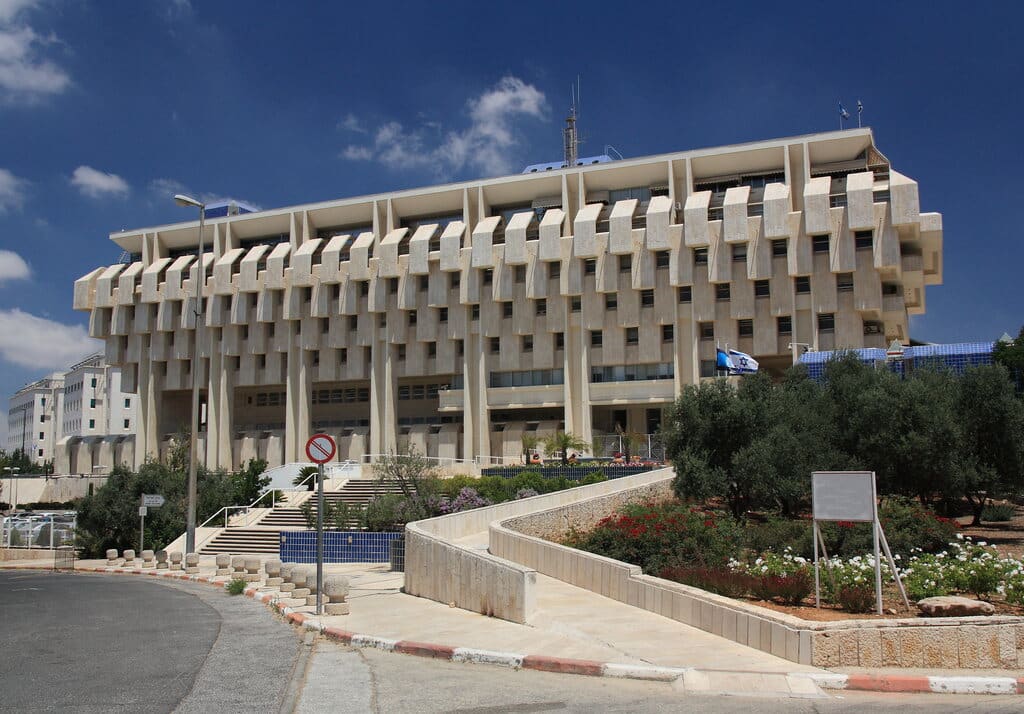
Bank of Israel Governor Amir Yaron has already described the upcoming interest rate decision as a "live decision," meaning one in which both options remain open, in an interview with Bloomberg. The next decision is expected on October 21, less than a week before the Knesset elections, and the market therefore estimates that the timing of the upcoming decisions may also be particularly sensitive, although there is no indication of political considerations on the committee's part.