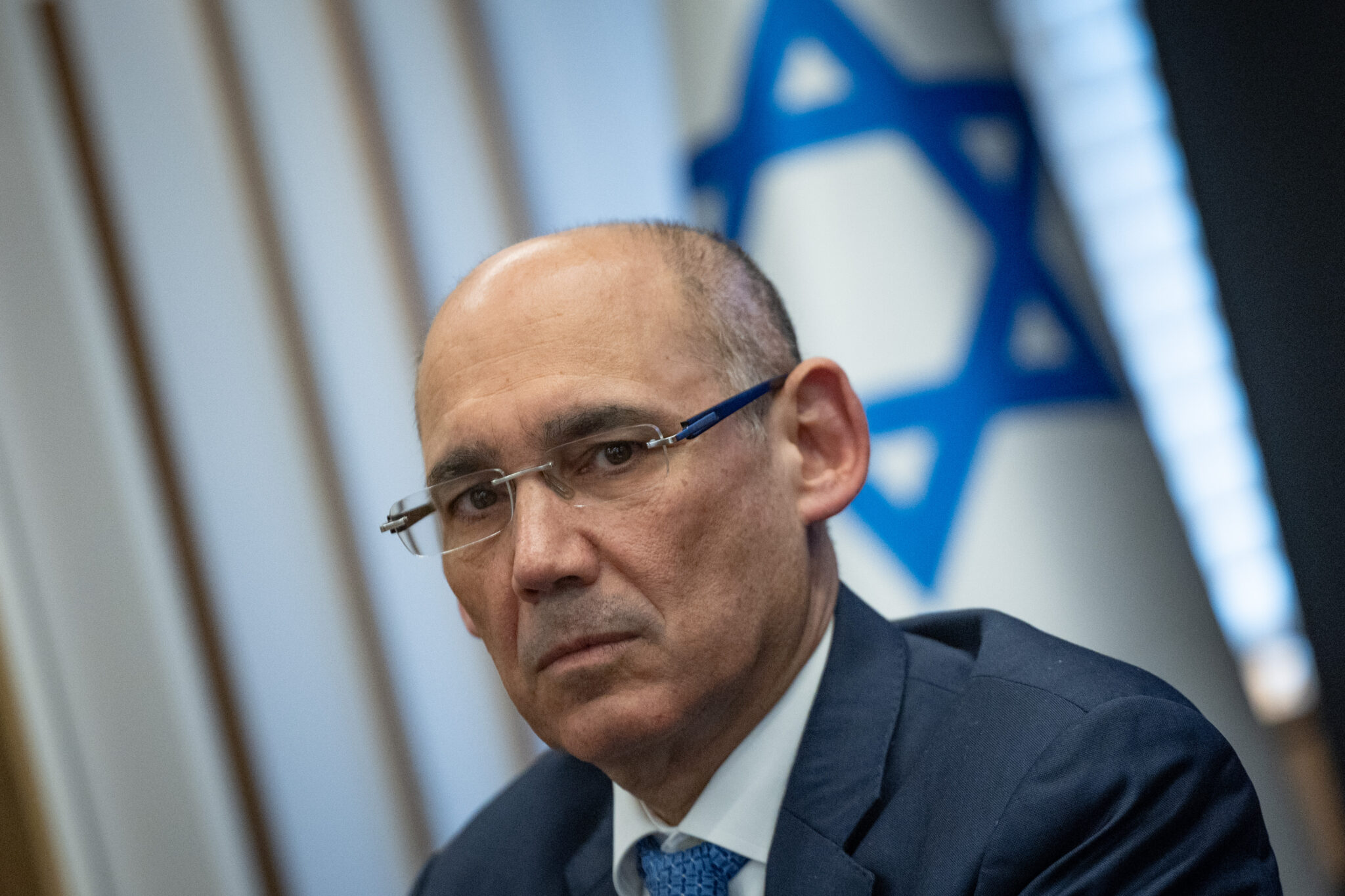
The Monetary Committee decided today (Tuesday) to cut the interest rate by 0.25 percentage point to 3.25%, after considering two main options — cutting the interest rate or leaving it unchanged at 3.5%. The Bank of Israel thus continued its interest-rate-cutting trend after already lowering it twice — in May and July.

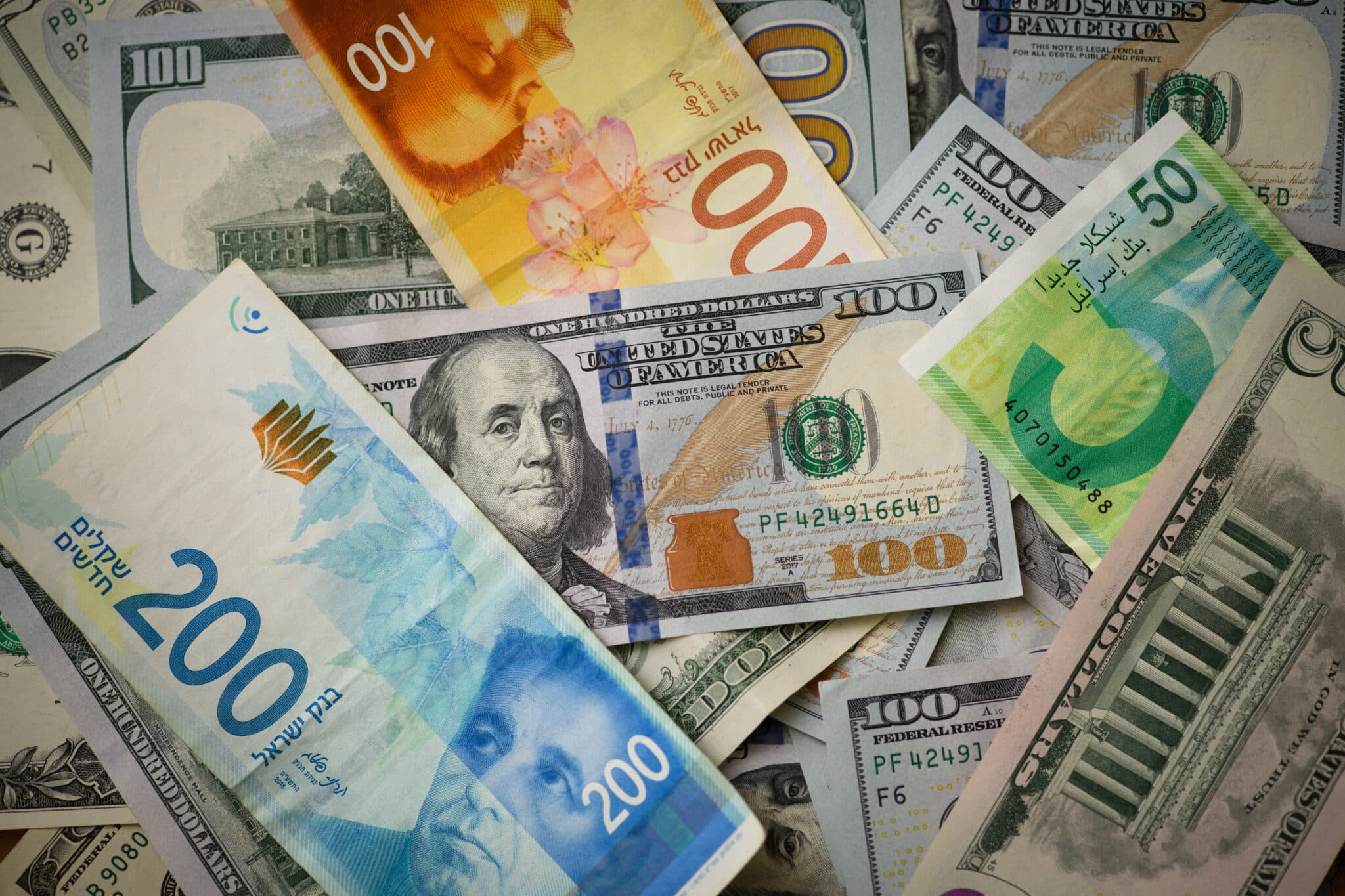
One factor supporting the decision was the moderation in the inflation environment, which allows the Bank of Israel to cut the interest rate without increasing concerns about renewed inflationary pressures to the same extent. At the same time, the stronger shekel is helping to moderate prices, as it lowers the cost of imported goods in shekels and reduces pressure on import prices.
The combination of moderate inflation and a strong shekel creates conditions that support the continuation of the interest-rate-cutting process and a reduction in the degree of monetary restraint. Cutting the interest rate could ease credit costs, encourage consumption and investment, and support economic activity.

However, even after inflation declined and the shekel strengthened, the Bank of Israel had to take into account factors that could make further interest rate cuts more difficult. The increase in government spending could boost demand in the economy and renew pressure on prices, while security uncertainty could lead to additional expenditures, disruptions to economic activity and higher costs.
At the same time, the labor market remains tight, with demand for workers still relatively high — a situation that could support wage increases and raise businesses’ costs. Taken together, these factors keep the risk of renewed inflationary pressures intact, even if the current inflation environment is more moderate.
Bank of Israel Cuts Interest Rate to 3.25%: “Inflation Has Moderated, but Uncertainty Remains High”
The Bank of Israel said inflation has moderated in recent months, but emphasized that geopolitical uncertainty and Israel’s risk premium remain high.
The interest rate cut comes against the backdrop of moderation in the inflation environment. According to Bank of Israel data, annual inflation stood at 1.5% in July, below the midpoint of the inflation target. Annual inflation excluding energy, fruit and vegetables stood at 1.5%, while the rate of price increases in nontradable components moderated to 2.5%.
The Bank of Israel estimates that inflation is expected to remain around the midpoint of the inflation target in the coming months. Most expectations for inflation over the next year are also near the midpoint of the target range.
The Economy Is Recovering
Alongside the decline in inflation, economic activity data point to a recovery in the economy. According to the Central Bureau of Statistics (CBS) national accounts data for the second quarter of 2026, GDP grew at an annual rate of 6.2% compared with the first quarter.
However, the Bank of Israel emphasized that some of the growth reflects a recovery from the impact on activity during the first quarter, against the backdrop of Operation “Lion’s Roar.” Excluding the activity of Israeli companies abroad, growth in the first half of the year was more moderate.
GDP in the second quarter of 2026 was 3.8% higher than in the final quarter of 2025, in annualized terms. At the same time, business-sector GDP contracted significantly in the second quarter, and the gap from the economy’s long-term growth trend still remains.
The Labor Market Remains Tight
The labor market continues to show strength. Wages in the business sector, excluding the high-tech industry, rose by 5.4% in March-May compared with the same period last year.
The latest data showed a slight increase in both the labor force participation rate and the unemployment rate, but the Bank of Israel still defines the labor market as tight.
Credit card spending is volatile and slightly below the long-term trend, while the Business Tendency Survey points to continued improvement, although activity in most industries is still below the levels recorded before March.
High-tech fundraising in the third quarter totaled about $3 billion, less than in the first and second quarters, and goods exports moderated in July after the sharp increase recorded in May and June, alongside a sharp increase in services exports in June.
In the labor market, the share of those temporarily absent due to reserve duty remained at 0.5%, the employment rate among those ages 25-64 stood at 78.9% in July, the participation rate stood at 81.3%, and the job vacancy rate rose to 4.5%. In the housing market, mortgages totaling about NIS 10 billion were taken out in July, while financial markets recorded a mixed trend in stocks and an increase in government bond yields.
Israel’s risk premium remained relatively stable, and business credit continued to grow at a high rate, while consumer credit grew moderately and delinquency rates remained low. Globally, the price of Brent crude oil surged by about 25% to about $90 a barrel, and gas prices in Europe rose sharply.

At the same time, global economic activity continued to expand, with US GDP growing at an annual rate of 1.5% in the second quarter and eurozone GDP growing by 1.8%. Inflation in the US stood at 3.4% in July and at 2.9% in the eurozone, while central banks in developed countries left the interest rate unchanged.
The Consumer Price Index (CPI) remained unchanged in June and rose by 0.3% in July. Annual inflation stood at 1.5% in July, below the midpoint of the Bank of Israel’s inflation target.