Ahead of Rosh Hashanah 5787, the Ministry of Finance has published a summary of the State of Israel's economic data.

The data point to a resilient economy and a growth trend across most key indicators, despite the security challenges and continued fighting over the past year.
GDP Growth and Surge in Foreign Investment
The data show that gross domestic product grew by 3.2% in the first half of 2026 compared with the second half of 2025.
At the same time, foreign investment in Israel surged by 78%, totaling $26 billion in 2025 — a trend that reflects investor confidence and has continued into the first half of 2026.
Shekel Strengthens, Inflation Falls and Stock Market Surges
The financial sector recorded a recovery and greater discipline: Inflation fell from 2.5% to 1.5%, a figure at the lower end of the target range.
The local currency strengthened significantly, with the shekel rising 11% against the dollar over the past year. The Tel Aviv Stock Exchange (TASE) also showed strength, with the TA-125 index rising 35%.
Decline in the Deficit and the Country's Risk Premium
The state budget deficit fell to 3.3%, compared with 4.7% last year, while the deficit target for 2026 stands at 4.9%. Israel's debt-to-GDP ratio stands at 67.9%, significantly lower than the OECD country average of 111%.
In addition, Israel's risk premium (CDS) fell by 29% and approached its level before the outbreak of the war. A 7.2% decline in 10-year bond yields means the government's debt-raising costs are now lower. The international rating agencies have left the credit rating unchanged: S&P and Fitch at A, and Moody's at Baa1.
Labor Market Stability Alongside Employment Challenges
The labor market is showing stability, with a low unemployment rate of 3.3% (compared with the OECD average of 4.9%). The labor force participation rate among those ages 15 and older stands at 62.5%.
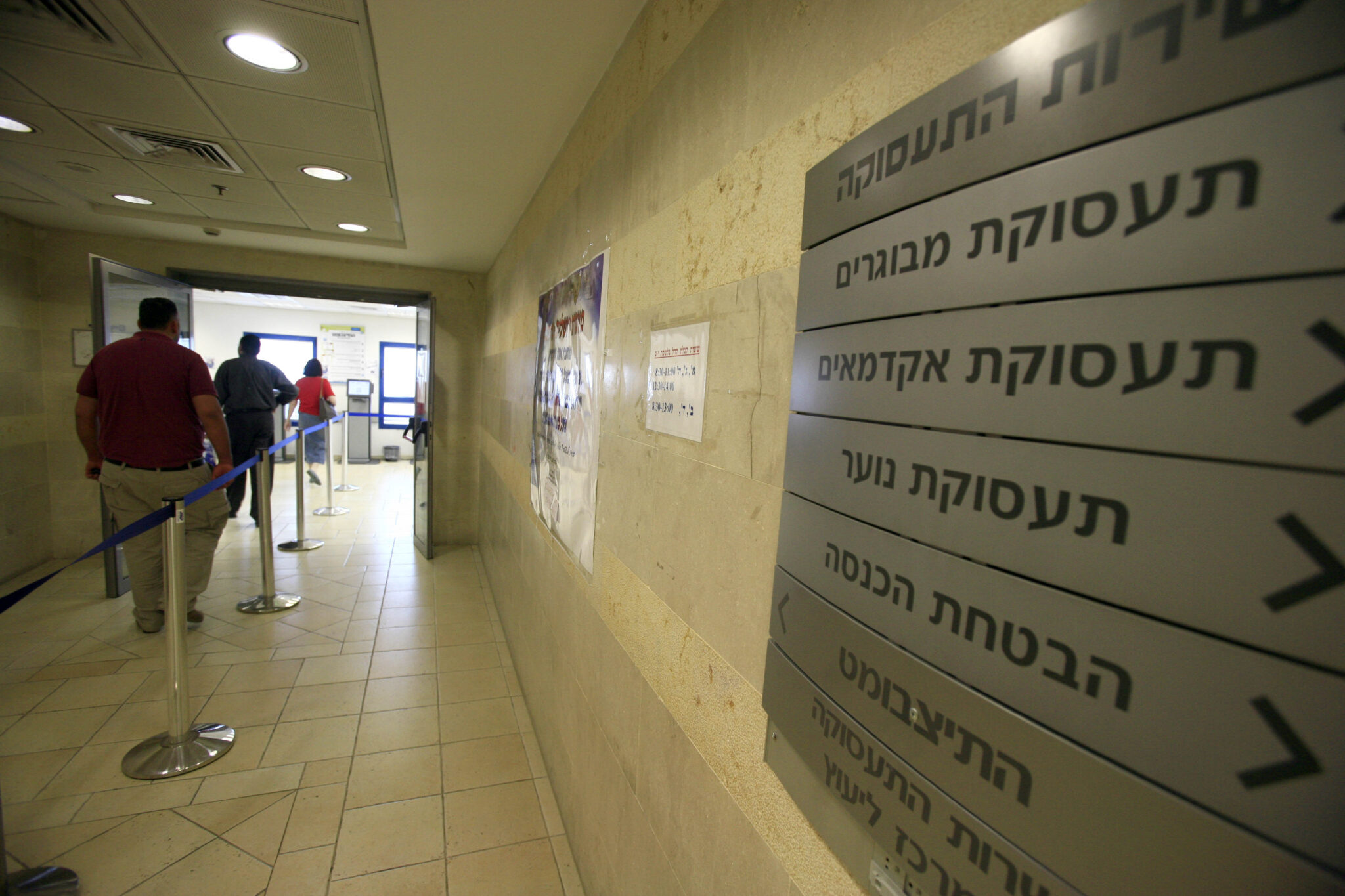
However, the employment rate among those ages 15–64 stands at 71%, below the OECD average of 74%. GDP per capita stands at approximately $60,000 (in purchasing power parity terms — PPP), compared with an average of $64,000 in OECD countries.
High Tech and Artificial Intelligence
The high-tech industry continues to lead the economy, with a 53.6% increase in fundraising in the first half of 2026 compared with the same period last year.

In the field of artificial intelligence (AI), Israel is maintaining its position at the global forefront, ranking 3rd in commercialization, 6th in development and 7th in research among 83 countries examined.