
The Ministry of Agriculture and Food Security is presenting for the first time a national plan that sets goals for Israel’s food sector through 2050, or 25 years ahead, with the aim of strengthening the country’s ability to ensure a regular food supply even during emergencies. The ministry’s plan is intended to strengthen Israel’s entire food chain — from the farmer and producer to the store shelf — thereby ensuring continuity of supply in extreme situations, including war, a climate crisis or disruptions to imports.
One of the plan’s key goals is to increase crop production in Israel by 33% by 2035 and by 65% by 2050, compared with current levels. According to the ministry, the plan is intended to address population growth and a situation in which Israel will be required in the future to provide food for a larger population while agriculture contends with resource shortages and climate change.
Ministry of Agriculture and Food Security Director General Oren Lavi said: “Today, we are making history. For the first time since the establishment of the state, we are presenting a long-term national plan that looks 25 years ahead and lays the foundations for ensuring food for all of us. Following professional work with our partners, we are moving from responding to crises to planning ahead — so that in 2050 there will still be high-quality, diverse and affordable food here, both in routine times and during emergencies.”
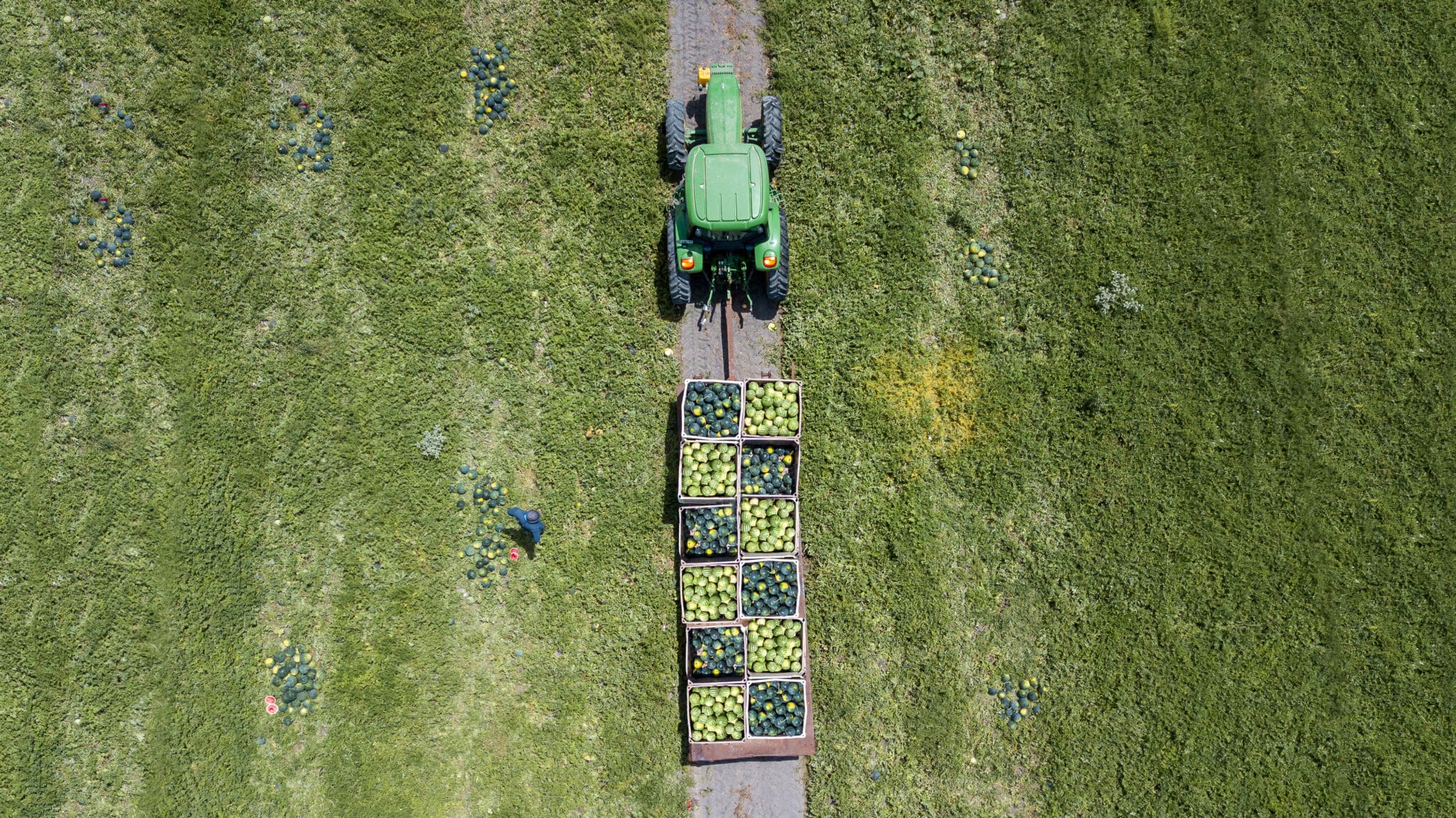
The plan is intended to address several of the main challenges expected to face the food sector, including population growth, climate change, shortages of water and agricultural land, and potential disruptions to supply chains.
The strategy is not based on halting imports, but rather on a combination of increasing local production and diversifying sources of supply from abroad to reduce dependence on a single country or supplier. This means the ministry does not plan to achieve complete food independence, but rather to increase local production where possible while maintaining diverse import sources for products that cannot be produced in sufficient quantities in Israel.
Alongside increasing agricultural production, the plan includes investment in innovation and research, strengthening the local food industry, and reducing the amount of food lost or discarded along the supply chain.
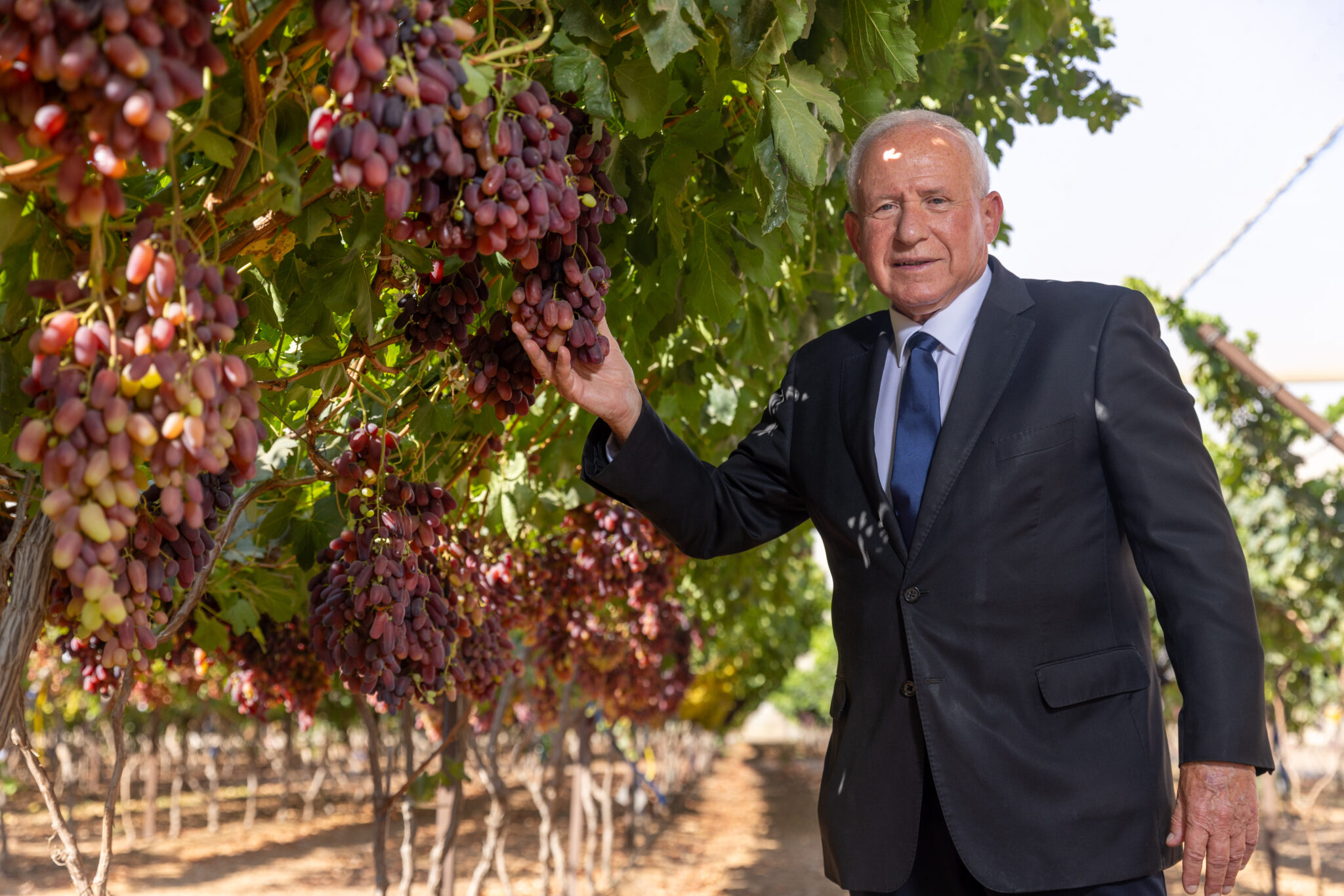
Minister of Agriculture and Food Security MK Avi Dichter said: “The Food Security 2050 plan is intended first and foremost to prevent the problem before it occurs, namely global warming. We understand that we will need to engage in more agriculture, make better use of the resources at our disposal and ensure our future here,” adding: “We will ensure that the shelves are always full and that everyone can buy what they need at a fair price. What we can produce in Israel, we will produce here, and what we cannot produce, we will import.”

Lior Levy, chairman of the Food Industries Association, said at the Food Security Conference: “Without the immediate advancement of the long-term national food security plan, which will ensure the economic viability of local production, Israel could reach 2050 with about NIS 40 billion in food loss, far less agriculture, hundreds of food plants closing, and significant harm to our ability to produce food in Israel.”
Levy added: “The events of recent years have proven that food is essential national infrastructure. A country that does not know how to produce its own food becomes dependent and vulnerable. Strong Israeli agriculture and a competitive and efficient local food industry are the guarantee of our food security and also part of the solution to the high cost of living. The government must approve the plan now, before we lose production capabilities that cannot be restored.”