
The development of artificial intelligence is changing the threat landscape at an unprecedented pace, and Israel is preparing for the next stage of the digital campaign.
At a special meeting convened by the head of the Israel National Cyber Directorate, Yossi Karadi, for Rosh Hashanah with senior figures from the local cyber industry, emergency measures and strategic preparations for the coming years were presented.
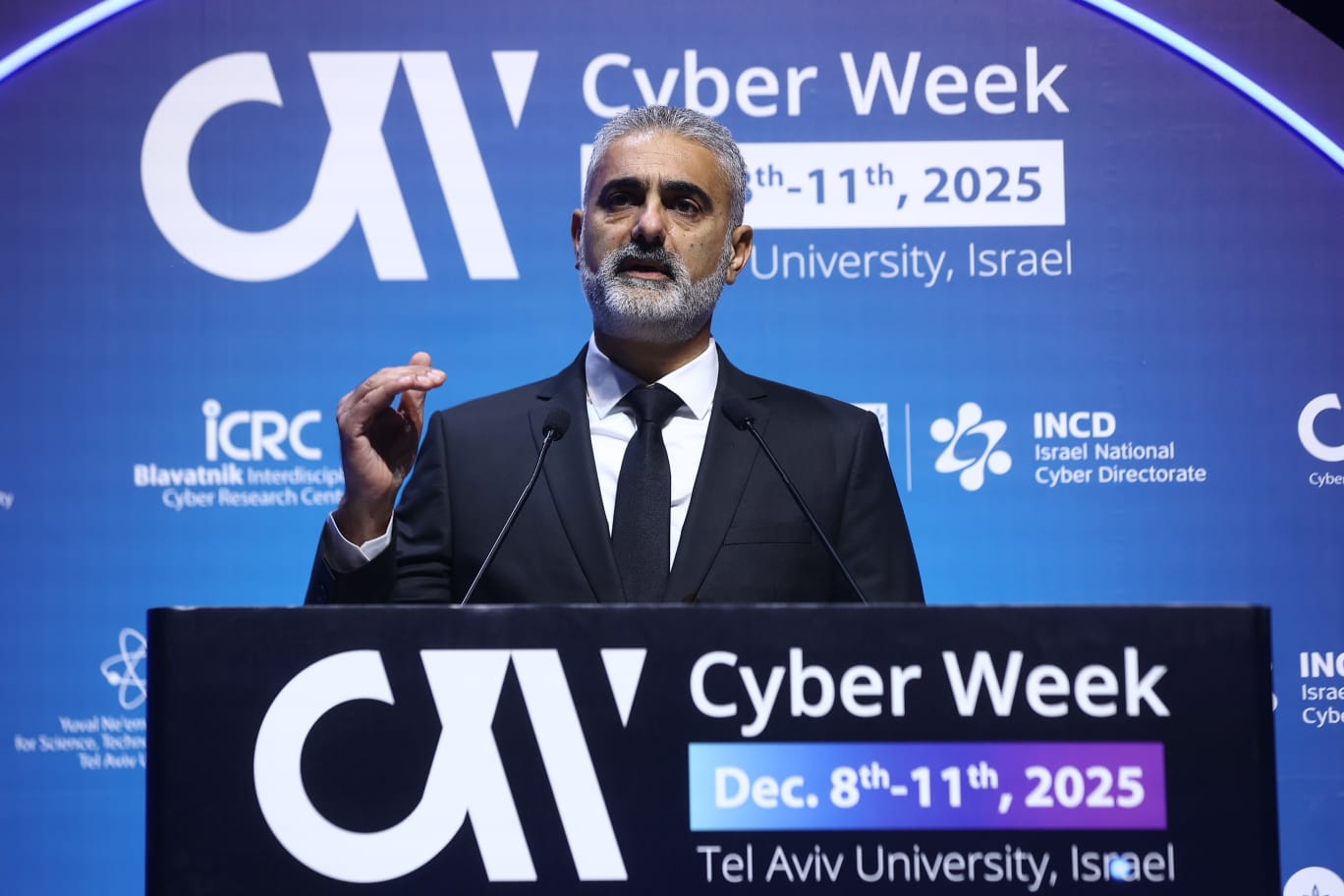
At the center of the meeting was the understanding that the ability to contend with autonomous AI-based attacks requires an upgraded pooling of forces among the government, industry and academic sectors.
The New Threat: Attacks at Machine Speed
While many organizations are still learning how to implement artificial intelligence tools, the offensive arena has already shifted to almost entirely autonomous operations. Avraham Zarok, head of the directorate's technology division, presented troubling data showing that advanced models can now independently carry out 28 of the 32 stages in a complex attack process.

In practical terms, this means a dramatic reduction in the response times of defense systems: The time required to progress from initial penetration to widespread propagation through a network has fallen to only about 27 seconds, while creating a convincing phishing page to trap users takes about 30 seconds.
National Response: Intervention Unit and Technology Laboratory
To contend with the new pace of warfare, Karadi announced the establishment of two key bodies. The first is a special national intervention unit that will be activated during large-scale cyber incidents and will embody close cooperation with private cybersecurity companies.

The second body is a multidisciplinary national laboratory that will focus on future technologies, including artificial intelligence, cloud computing and quantum computing, with the aim of producing advanced defense solutions at the pace at which threats are developing.
A Continuous Front: "There Are No Ceasefires in Cyber"
Since June 2025, Israel has faced an ongoing, high-intensity campaign in the digital sphere, but despite the escalation, the country's critical infrastructure has remained protected. Karadi stressed that cyber warfare does not stop when physical battles end, noting that the volume of attacks even doubled on the final day of Operation "Lion's Roar."

The current view is that no single body can defend the country on its own, and that Israel's advantage will be based on speed, synergy and real-time connectivity between the public system and private industry.