
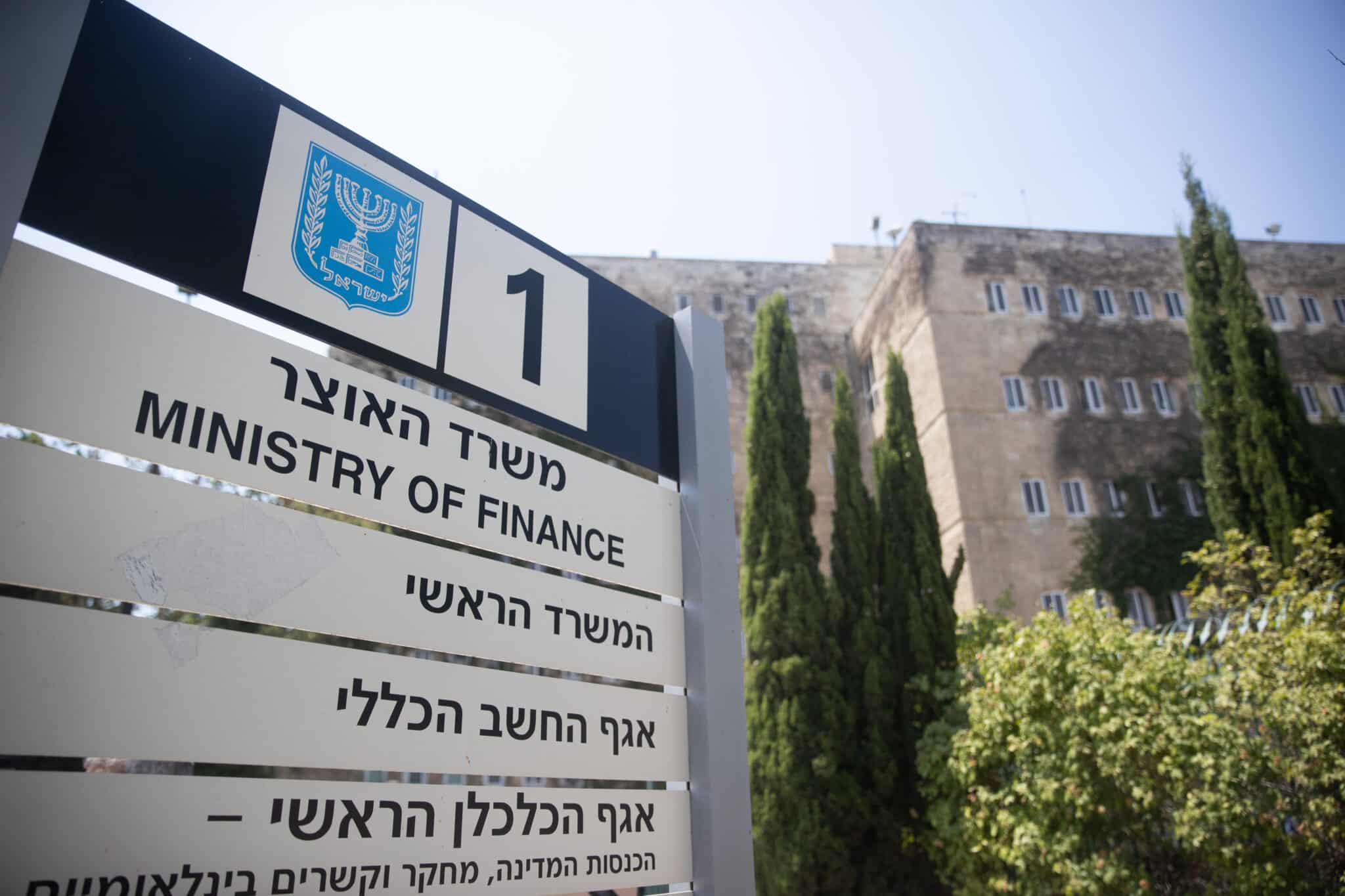
The Accountant General Department at the Ministry of Finance reported today (Tuesday) on the State of Israel's consolidated financial statements for 2025, which present the scope of the state's assets and liabilities and the financial activities of government entities. The statements include data from 209 entities, including government ministries, state authorities, government companies and statutory corporations.
The statements show that the state's assets stood at about NIS 2.17 trillion at the end of 2025. About NIS 1.14 trillion of that amount is attributed to state land, while about NIS 602 billion consists of fixed assets and intangible assets. In addition, the state has investments totaling about NIS 53 billion in projects carried out in partnership with the private sector.
By contrast, the state's total liabilities amounted to about NIS 3.9 trillion. Of this amount, about NIS 1.46 trillion is for domestic and foreign borrowing, about NIS 1.29 trillion is for the National Insurance Institute's liabilities to insured people, and about NIS 759 billion is for employee benefits.
The statements also include an economic and financial review of 2025, details of the effects of the War of Revival and the measures taken in its wake, as well as extensive information on government debt, pension liabilities, housing programs and the management of state assets.

Pension Liability Increased
The state's budgetary pension liability rose to NIS 723 billion in 2025, compared with NIS 716 billion a year earlier. The Ministry of Finance noted that the increase resulted mainly from accumulated indexation and interest, partially offset by pension payments.
A central chapter in the statements is devoted to the effects of the War of Revival, detailing, among other things, the financing of combat expenses, compensation for victims, assistance with alternative housing and the activities of the Tekuma and Tnufa directorates to rehabilitate affected areas.
The statements also detail state investments in projects carried out in partnership with the private sector in transportation, water, energy, the environment and construction, totaling tens of billions of shekels.
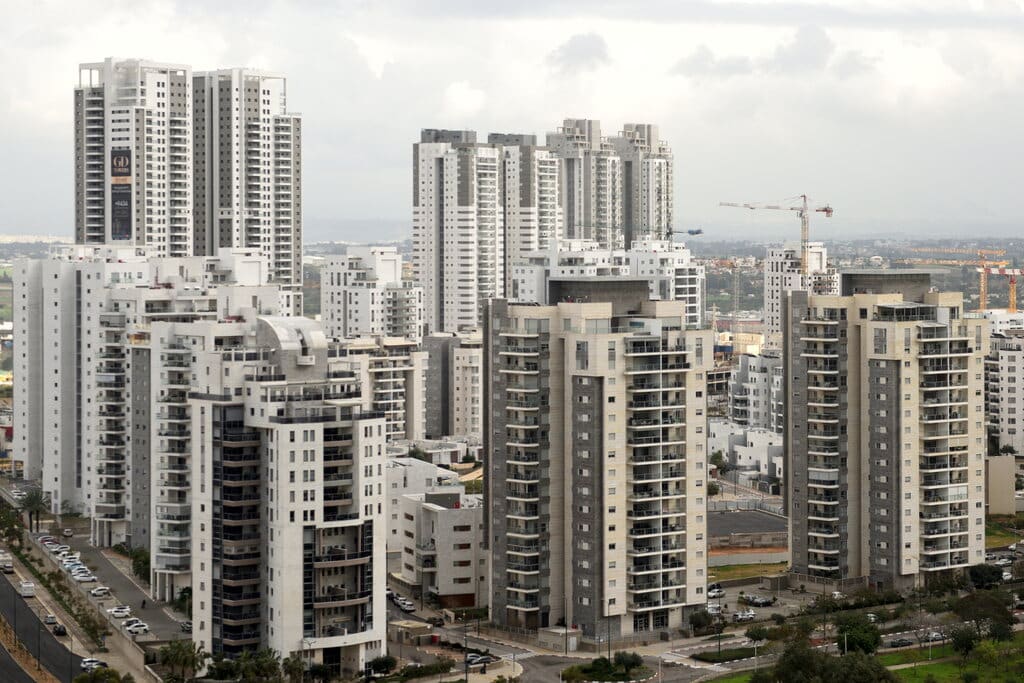
Another chapter is devoted to the government's housing policy, including land sales, infrastructure development, removing barriers, promoting long-term rentals and the "Apartment at a Discount" program.
Value of State Land: NIS 1.138 Trillion
The value of state land in the statements rose to about NIS 1.138 trillion, compared with about NIS 1.133 trillion in 2024. The estimate relates to land owned by the state and the Development Authority and managed by the Israel Land Authority.

Finance Minister Bezalel Smotrich said that, in his view, the statements reflect a strong Israeli economy, alongside growth in the economy and state revenue. He said these trends allow the government to continue investing in growth engines, the defense establishment and citizens' welfare. He said: "The financial statements of the State of Israel published today reflect the comprehensive financial position of the broader government. As the financial statement and the data show, Israel's economy is strong. We are seeing growth in the economy and growth in revenue that allow the government to invest in growth engines, support the needs of the defense establishment and ensure the welfare of the citizens of the State of Israel. I would like to thank Accountant General, CPA Michal Abadi-Boiangiu, and her team for preparing and publishing the financial statements."
Accountant General Michal Abadi-Boiangiu emphasized that safeguarding state assets and the government's ability to meet its obligations require controlled fiscal management, alongside continued investment in infrastructure, housing and technology.