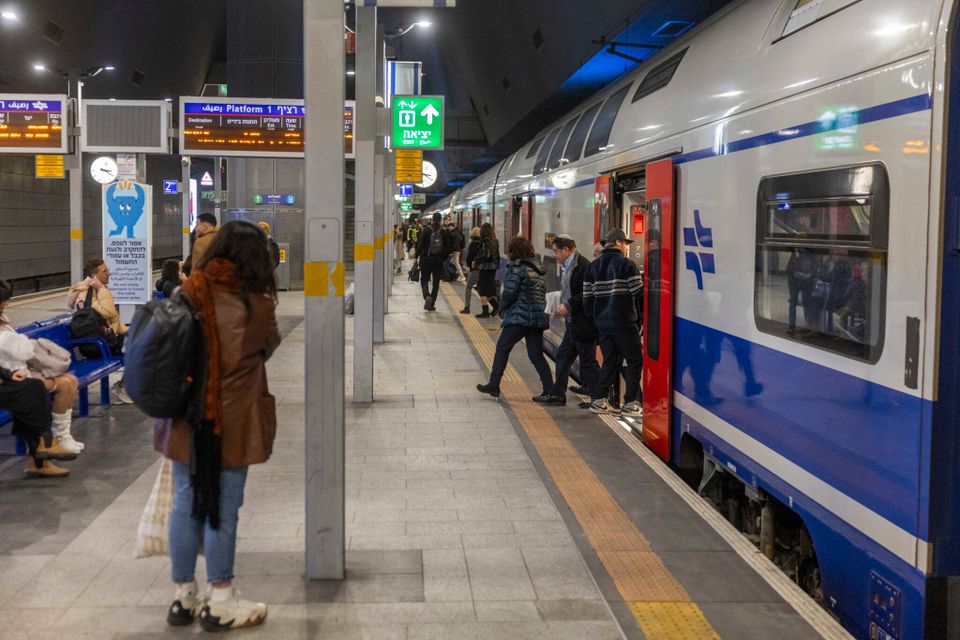
AFCON Holdings Group continues to deepen its involvement in national infrastructure and energy projects. The company announced that Israel Railways had approved additional work by a wholly owned subsidiary of the group on the railway traction substation project, valued at about NIS 100 million.
Following this addition, the total scope of work on the project has increased and now stands at about NIS 560 million. The company noted that, as of the reporting date, there had been no change to the previously established timetable for completing the work.
Growth in Operations and Projects Worth NIS 1 Billion
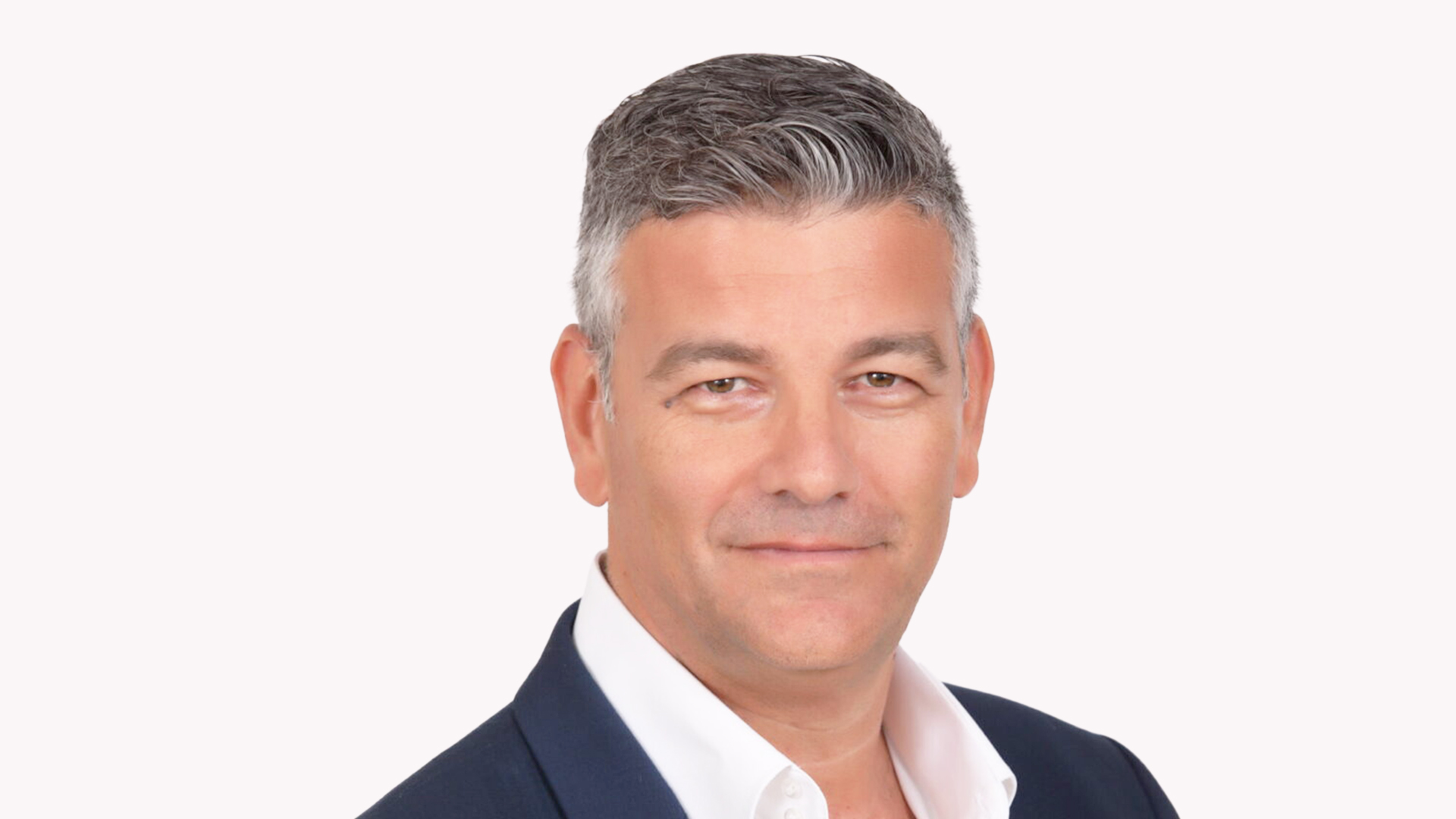
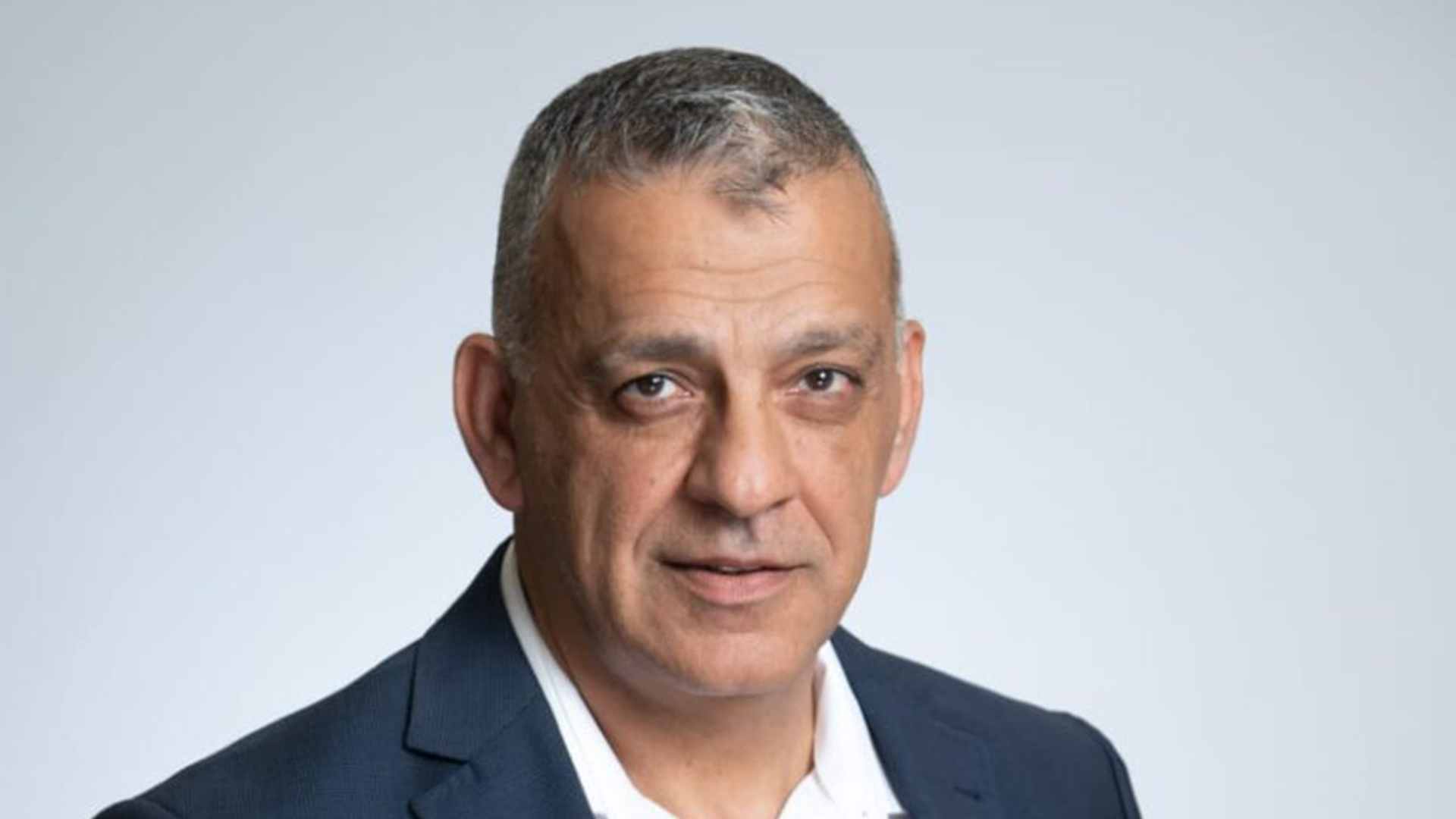
AFCON Group CEO Dudi Harali said the approval of the additional work provides further proof of the company’s ability to be a leading and dominant player in Israel in the end-to-end delivery of substations.
He said the company has extensive experience, professional expertise and advanced engineering capabilities in executing complex, systems-intensive projects, and that it continues working to expand its operations and strengthen its position in significant infrastructure and energy projects in the Israeli economy.
AFCON currently designs and builds 10 substations across the country, with a total value exceeding NIS 1 billion.
Focus on Infrastructure and Renewable Energy
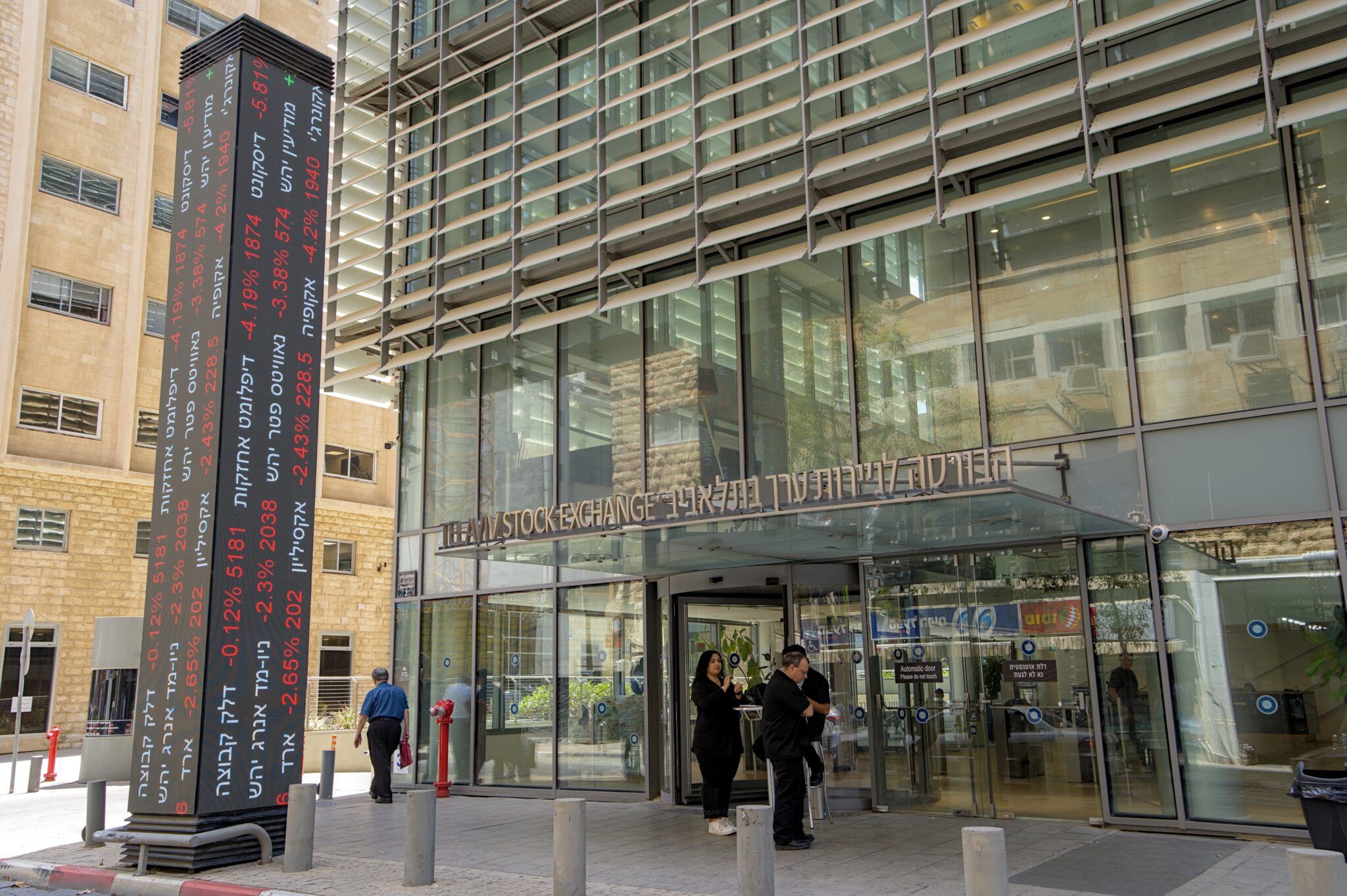
AFCON Holdings Group, considered one of Israel’s longest-established and leading companies in execution and services for systems- and technology-intensive projects, has operated since 1945, and its securities are traded on the Tel Aviv Stock Exchange (TASE). The company was acquired in 2003 by the late Shlomo Shmeltzer and Atalia Shmeltzer, and it is part of Shlomo Group.
The company’s areas of activity include, among others, control and automation, electromechanical systems, multimedia, communications systems and infrastructure, and unique technological solutions.
Alongside its traditional operations, the company’s main growth engines currently focus on the development and construction of renewable energy and storage facilities to maintain continuity of energy supply, as well as on expanding its electric vehicle charging operations.