
The Central Bureau of Statistics (CBS) reported today (Wednesday) on the Israeli economy, which recorded a sharp recovery in the second quarter of 2026 following the contraction at the start of the year. According to the CBS's second estimate, gross domestic product rose 3.5% in the second quarter compared with the first quarter, equivalent to 14.9% at an annual rate. This followed a 1.7% decline in GDP in the first quarter.

The data point to a recovery in several key areas of the economy, including private and public consumption, investment and exports. At the same time, imports rose particularly sharply, reflecting increased demand in the economy.
Business-sector GDP rose 3.6% on a quarterly basis, reflecting an annual rate of 15.4%. Private consumption grew 3.5%, equivalent to 15% at an annual rate, after declining 4.3% in the first quarter. Public consumption grew 5.1%, or 22.2% at an annual rate.
Investment also returned to growth, albeit at a more moderate pace. Investment in fixed assets rose 1% on a quarterly basis, equivalent to 4.1% at an annual rate. Investment in residential construction grew 21% at an annual rate, while investment in nonresidential construction and other construction work rose 10.6%.

One of the most notable figures was recorded in the information and communications technology industries. Investment in them surged 151.9% at an annual rate, or 26% on a quarterly basis. In contrast, investment in machinery and other equipment, excluding ICT equipment, fell 6.5%.
Exports Recovered, but Imports Also Surged
On the external side of the economy, exports rose significantly. Exports of goods and services, excluding startups and diamonds, grew 3.9% on a quarterly basis, equivalent to 16.6% at an annual rate.
Exports of services, excluding tourism and startups, rose 17.1% at an annual rate, while exports of goods by manufacturing industries, excluding diamonds, surged 45.1%.

At the same time, however, imports also rose sharply. Imports of goods and services, excluding defense imports, ships, aircraft and diamonds, grew 5.6% on a quarterly basis, equivalent to 24.4% at an annual rate. Total imports of goods and services rose 31% at an annual rate, with imports of civilian goods alone growing 37.3%.
Service imports presented a mixed picture. Imports of tourism services fell 14.2%, but excluding that category, service imports grew 33%.
Private Consumption Returns to Growth
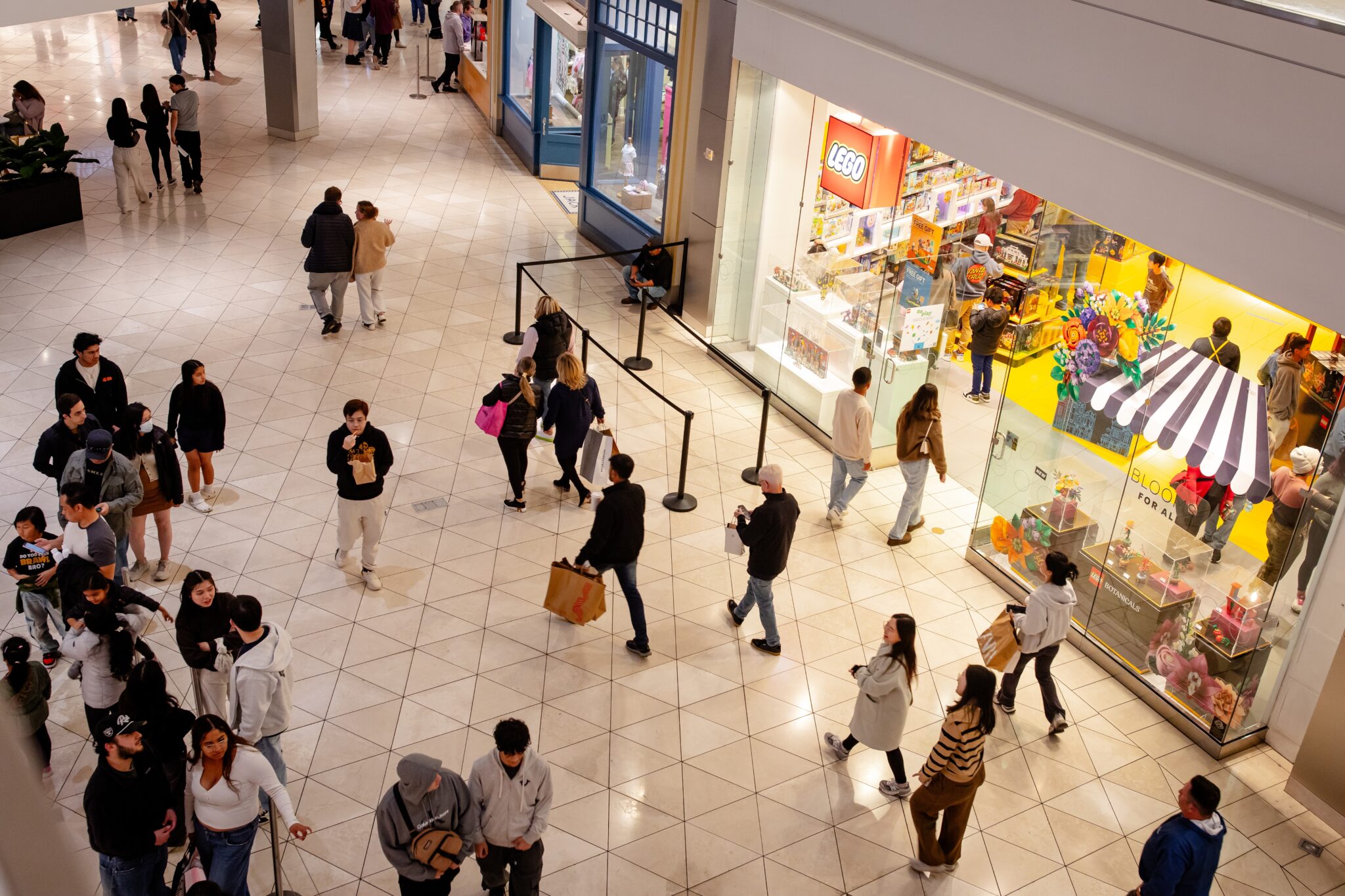
The recovery in private consumption is one of the key components of the quarterly data. After declining in the first quarter, private consumption expenditure rose 3.5% in the second quarter, or 15% at an annual rate.
Current consumption per capita grew 5% at an annual rate. At the same time, per capita spending on semi-durable goods — including clothing, textiles, small electrical appliances, leisure products and personal items — grew 21.6% at an annual rate.
Private consumption per capita grew 13.6% at an annual rate.
Public Spending
Public consumption expenditure grew 22.2% at an annual rate. Within this category, civilian consumption rose 18.4%, while defense consumption grew 19.8%.
The data come against the backdrop of a period that included the wars "Rising Lion" and "Lion's Roar," and therefore the CBS recommends comparing the data for the first half of 2026 with the second half of 2025 as well, rather than relying only on quarter-to-quarter comparisons.
Comparing the first half of 2026 with the second half of 2025, GDP grew 3.5%. Business-sector GDP rose 4.9%, investment in fixed assets grew 11.6%, and exports, excluding startups and diamonds, rose 12.5%.

In contrast, private consumption fell 0.1% during this period, while public consumption rose 1.2%. Imports, excluding defense imports, ships, aircraft and diamonds, grew 22.4%.
Significant Data, but Still Not Final
Despite the strength of the recovery in the second quarter, this is still an estimate rather than final data. The CBS emphasizes that some of the sources on which the calculation is based are still incomplete, and the figures are therefore expected to be revised as additional information is received.
Past experience also shows that growth estimates are revised over time. In an analysis conducted by the CBS of annual data for 2009-2025, it found that the average size of revisions increased as more time passed from the initial publication date. On average, the absolute value of the revision was 0.21 percentage points after one year, 0.41 after two years and 0.66 after three years.

In the quarterly estimates, the average absolute value of the revisions was 0.08 percentage points after one month, 0.10 after two months and 0.27 after one year.
The next estimate is expected to be published on October 18, 2026, and will be based on more complete data sources. The current picture therefore points to a sharp recovery in economic activity in the second quarter, but growth rates may change later as the data are revised.