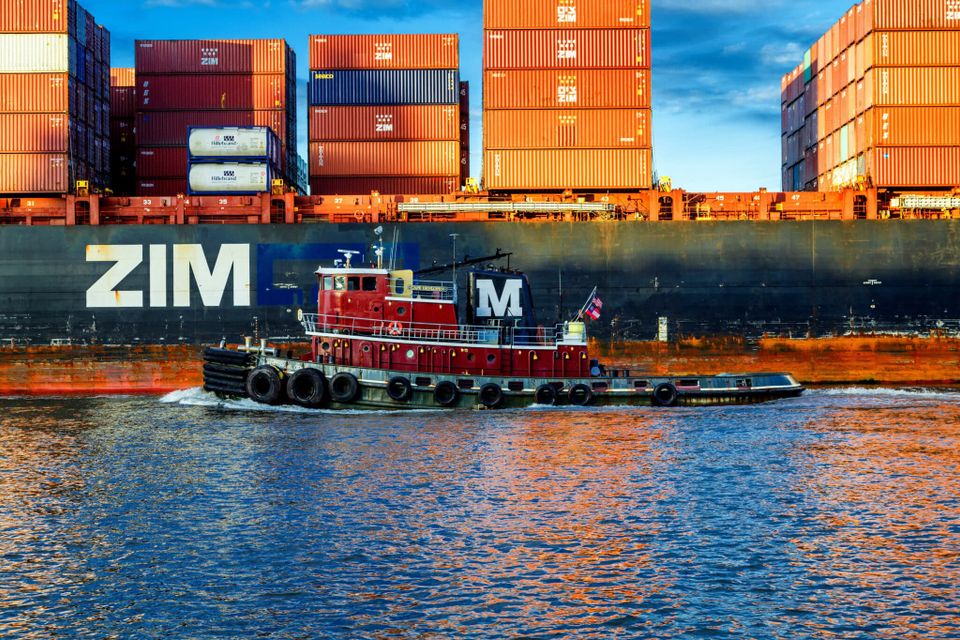
German shipping company Hapag-Lloyd and FIMI Opportunity Funds today (Thursday) submitted the main points of their updated proposal to acquire ZIM to the Israeli government.
According to the companies, the changes are intended to address issues raised by Israeli authorities, including security officials, and to strengthen Israel’s maritime independence and its ability to function during emergencies.
Over the next 45 days, Hapag-Lloyd and FIMI are expected to complete the business plan and legal framework for the deal. At the same time, company executives are expected to meet with Israeli government ministries and authorities to present the changes made to the proposal and discuss the details of the revised deal.

At the heart of the proposal is the establishment of ZIM Israel as an independent shipping company under Israeli ownership and management, with its own fleet of vessels. The companies say the capabilities and professional expertise required to operate the fleet will remain in Israel.
One of the main changes is the addition of direct service to the Far East. ZIM Israel is expected to operate vessels on a route to Asia, alongside its planned operations in the Mediterranean Sea and the Atlantic Ocean.
The proposal also includes a significant expansion of the protections granted to the state by the golden share. According to the companies, the mechanism will strengthen Israel’s ability to oversee changes in the ownership of ZIM Israel and prevent the transfer of control to foreign entities, while maintaining Israeli control of the fleet during emergencies as well.
As part of preparations for Israel’s transportation needs, ZIM employees with training and experience in handling cargo arriving in or departing from Israel will transfer to ZIM Israel. At the same time, the professional vessel management operations will remain in Israel, and the capabilities and expertise accumulated by ZIM in fleet management will be transferred to the Israeli company.
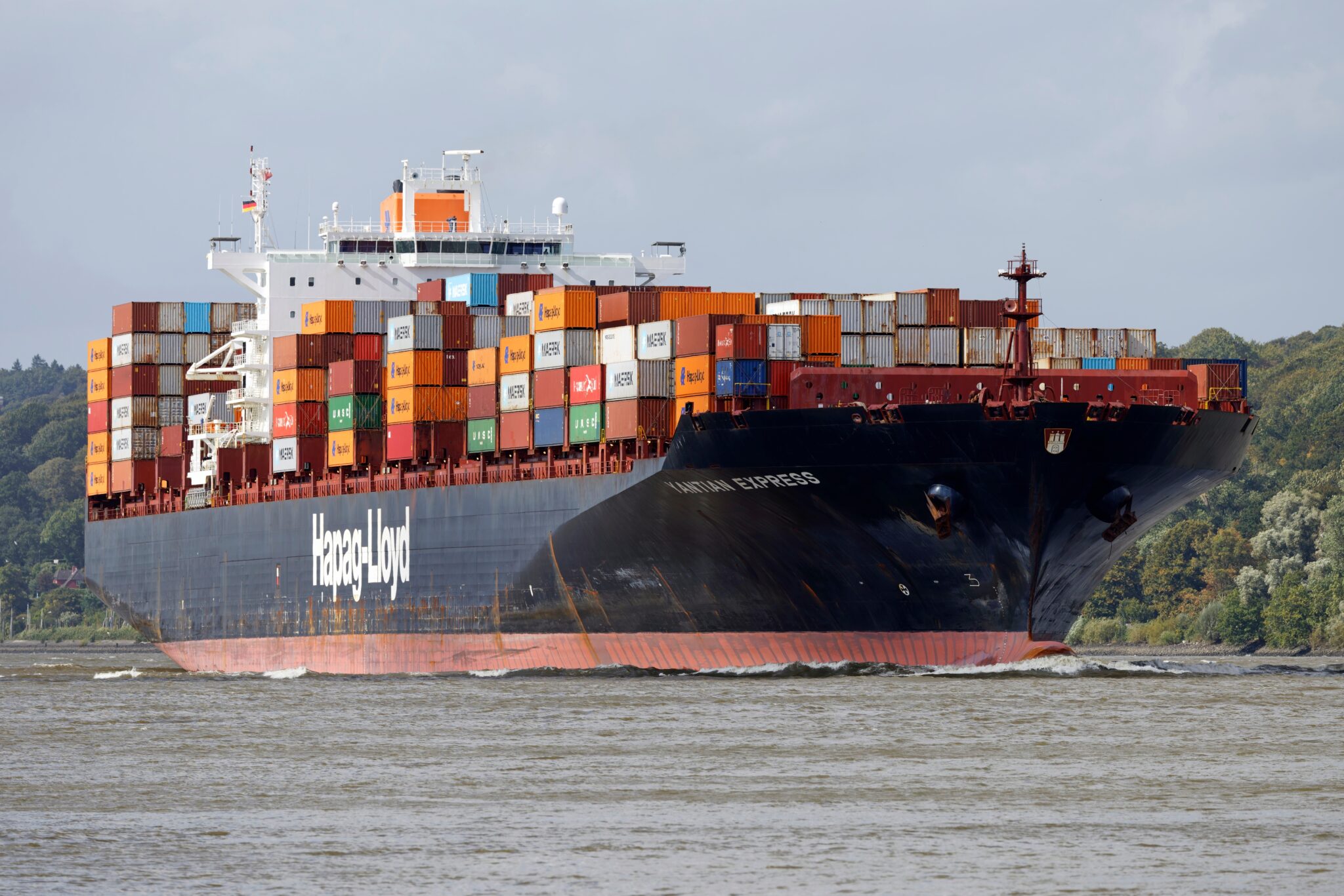
The proposal also includes a commitment to increase the number of Israeli seafarers in the coming years and expand the professional workforce in the local shipping industry. In addition, ZIM Israel will maintain a core fleet of container vessels and gain access to Hapag-Lloyd’s global container fleet through a long-term commercial agreement. According to the proposal, this will increase the capacity to transport essential cargo, including refrigerated cargo, to and from Israel.
Alongside its operational independence, ZIM Israel will operate using independent and separate information systems that will not permit access by third parties, including Hapag-Lloyd. The proposal also includes arrangements for ZIM employees in Israel, including financial incentives and a 10-year safety net for veteran employees.
The companies say that since the merger agreement was signed in February, Hapag-Lloyd, FIMI and ZIM have held a series of discussions with the relevant government bodies, including the Shipping and Ports Authority, the Government Companies Authority and the ministries of transportation, finance, defense, foreign affairs and agriculture. According to the companies, the updated proposal was formulated in response to issues raised during the talks.

Hapag-Lloyd CEO Rolf Habben Jansen said: “The proposal, which has been significantly improved, provides Israel with substantially greater maritime independence and addresses all of its national security needs — a critical necessity, as we have seen repeatedly over the past three years. By adding a route to Asia, investing in an Israeli maritime workforce, keeping Israel’s shipping expertise in the country and providing ZIM Israel with a new and modern fleet, we are strengthening Israel’s shipping capabilities in a highly significant way.” He added: “I am truly convinced that the proposal we are presenting provides tangible solutions to the issues facing the State of Israel and strengthens its maritime capabilities.”
Hapag-Lloyd says that since October 7, 2023, it has continued to operate a weekly service to Israeli ports, including during periods of significant security disruptions. Together with FIMI, the company says it is committed to completing a proposal that will provide Israel with long-term protections and enable ZIM Israel to operate as a sustainable shipping company.