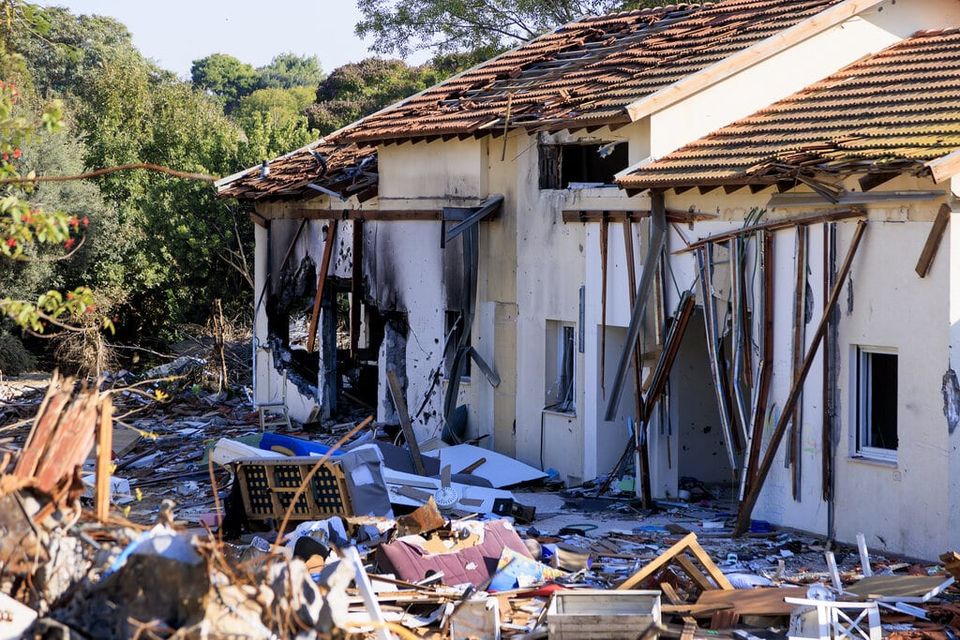
About 30,000 wounded men and women from the Israel Defense Forces and the security forces have been admitted to the Rehabilitation Department at the Defense Ministry since the war broke out on October 7, 2023.
Official figures released by the ministry today (Tuesday), marking three years since the fighting began, illustrate the heavy financial and systemic burden on the defense establishment, with the total number of patients treated by the Rehabilitation Department from all of Israel’s wars reaching 91,200. The department estimates that the number of patients will reach about 100,000 by 2028, half of whom will be coping with mental health conditions.
The Budget Surge and Allocation of Resources
The growing number of casualties has led to an enormous increase in budgetary demands. Over the past three years, the Rehabilitation Department’s budget has surged by 88% and now stands at about NIS 10 billion.

A major share of the resources is directed toward treating invisible injuries: More than 60% of the total budget is currently devoted to services and treatment for people coping with mental health conditions and post-traumatic stress. About 63% of those wounded in the current war are coping with psychological reactions. Looking at all the department’s patients, 42,500 are coping with mental health conditions, representing about 46% of all patients.
Structural Change and the Mor-Yosef Committee’s Recommendations
Alongside the budget increase, the state is beginning to implement a far-reaching structural change following the government’s decision last July to adopt the recommendations of the public committee headed by Prof. Mor-Yosef.
At the heart of the reform is the transformation of the Rehabilitation Department into the “National Authority for the Rehabilitation and Treatment of Wounded IDF and Security Forces Personnel.” The move includes simplifying the processes for recognizing injuries and determining disability percentages, assigning a personal contact to each wounded person, establishing a “Home for Life” for people with severe head injuries, and providing dedicated incentives for employment that advances rehabilitation.
Demographics of the Wounded
The characteristics of those wounded in the war point to a young and productive segment of the population, with 47% of the wounded age 30 or younger, 62% of them reservists and 8% women.
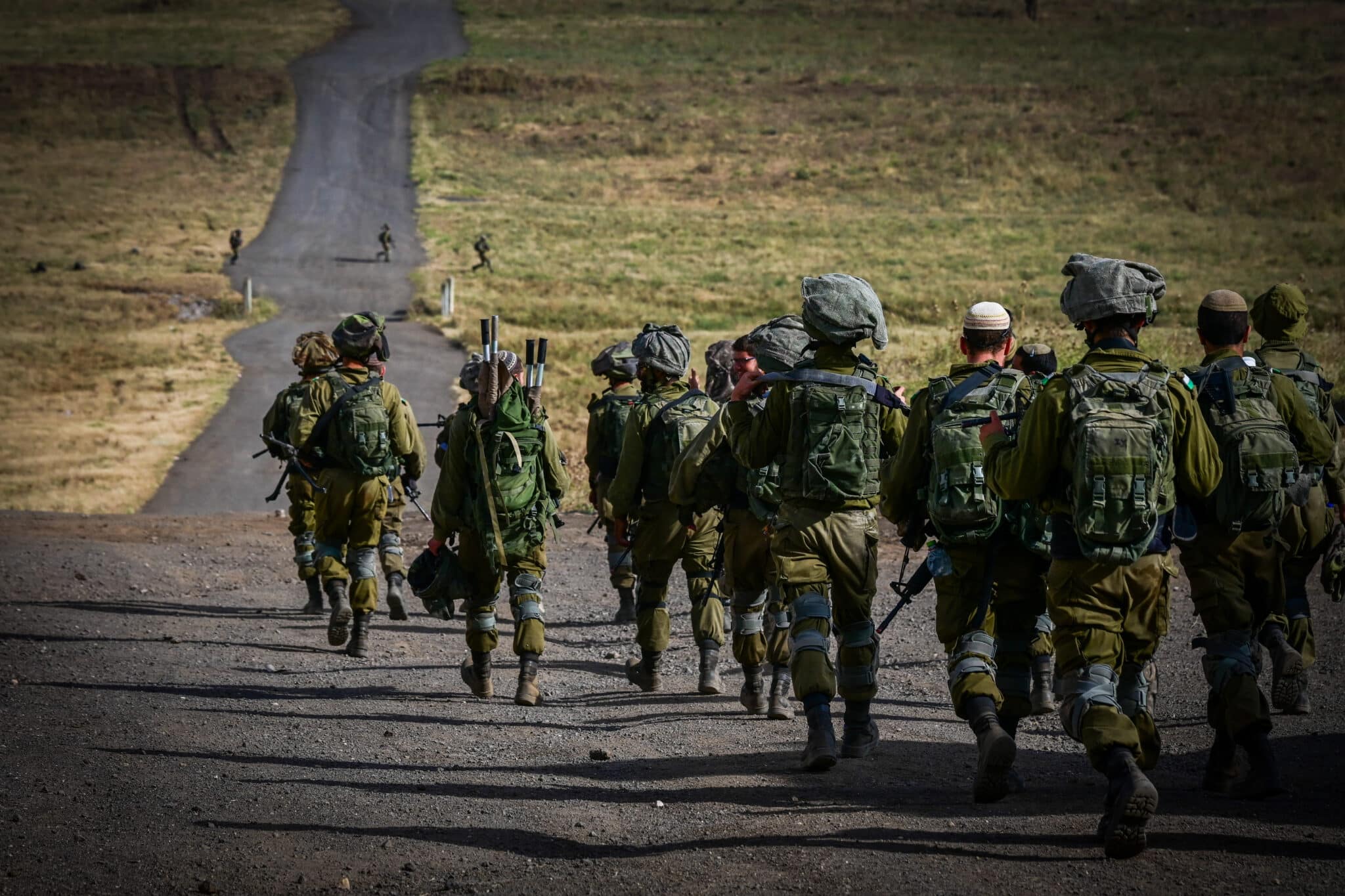
As part of the effort to return the wounded to the workforce and the economy, the department is placing extensive emphasis on support for higher education and vocational training. Since the war began, 2,425 wounded men and women have received full funding for their studies. The most sought-after field of study is law, followed by business administration and computer science.
Expansion of Medical and Technological Services
The increase in the number of injuries created a need for a significant expansion of treatment services and medical technology. The number of mental health professionals working on behalf of the department has tripled and now stands at about 2,300.
Among other measures, innovative services have been introduced, including emergency vehicles for mental health crisis teams that were dispatched to more than 500 incidents, community-based alternatives to hospitalization and rehabilitation farms.

On the physical rehabilitation front, about 95% of the 106 amputees from the war received advanced prostheses, including specialized equipment for sports and leisure activities, alongside tailored services for 249 wounded people with complex head injuries and 63 wounded people classified as having a disability rating of 100%+.