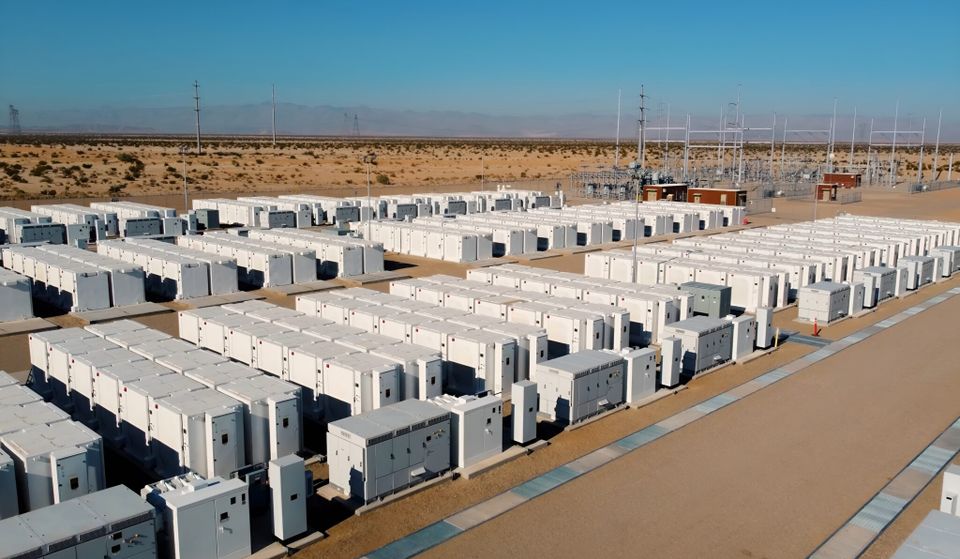
The National Planning and Building Council reported today (Tuesday) that it had decided to advance Amendment No. 2 to National Outline Plan 1/19, which addresses the regulation of planning for energy storage facilities, and move the proposal to the public comments and objections stage.
The measure, being advanced by the Planning Administration and the Ministry of Energy and Infrastructure, seeks to update planning and licensing rules based on the experience accumulated since the plan was approved. Its goal is to facilitate the advancement of storage facilities and accelerate their construction as part of expanding the use of renewable energy and strengthening the electricity sector.
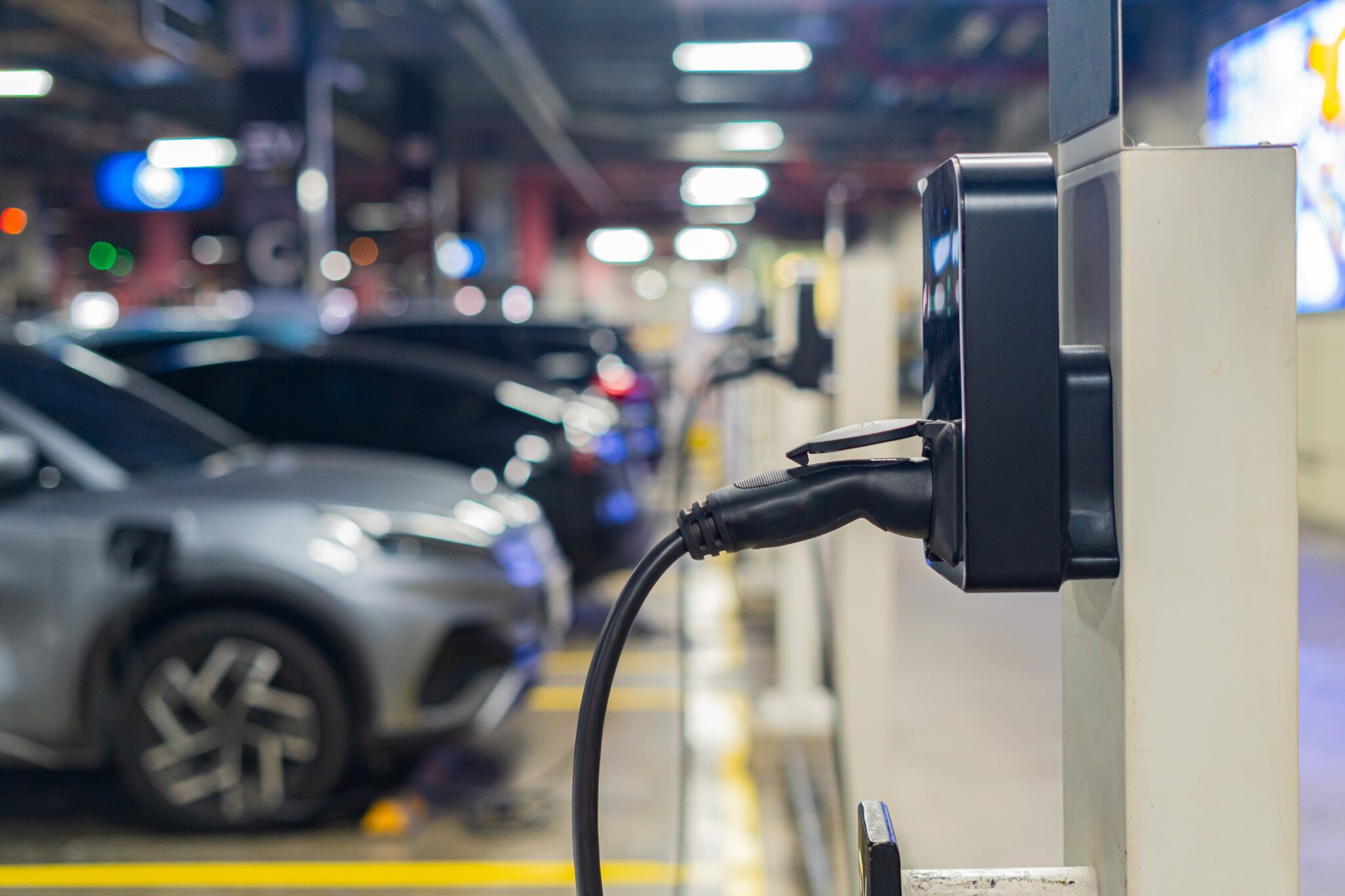
Storage facilities make it possible to store electricity when generation is high and deliver it during hours when generation declines or demand increases. This allows more electricity from renewable sources to be used, electricity to be supplied even after generation hours, loads in areas of high demand to be reduced, and the grid to better handle distributed generation and changes in consumption patterns, including the increase in electric vehicle charging. In addition, storage helps stabilize the electricity grid's frequency.
The proposal includes an option to build storage facilities alongside photovoltaic installations at reservoirs and fish ponds located within landscape complexes, subject to conditions and individual review. At the same time, priority will be given to placing them in or near built-up areas to minimize harm to the landscape as much as possible.
The proposal also includes an update to the rules for building storage facilities in industrial zones. In addition, the definition of a large storage facility will be updated in line with changes made to the standards for connecting facilities to high-voltage networks, with the aim of ensuring uniformity in the definitions used by the National Outline Plan. The stages for obtaining opinions and approvals from the Fire and Rescue Authority as part of the building permit process will also be defined more precisely.
The regulation of energy storage facilities was first incorporated into National Outline Plan 1 under Amendment 19, which was approved in November 2023 and established the planning principles, the locations where the facilities may be built and the environmental requirements applicable to them. In 2024, another amendment was approved that exempted small storage facilities from publication requirements to shorten and streamline the process of building them.
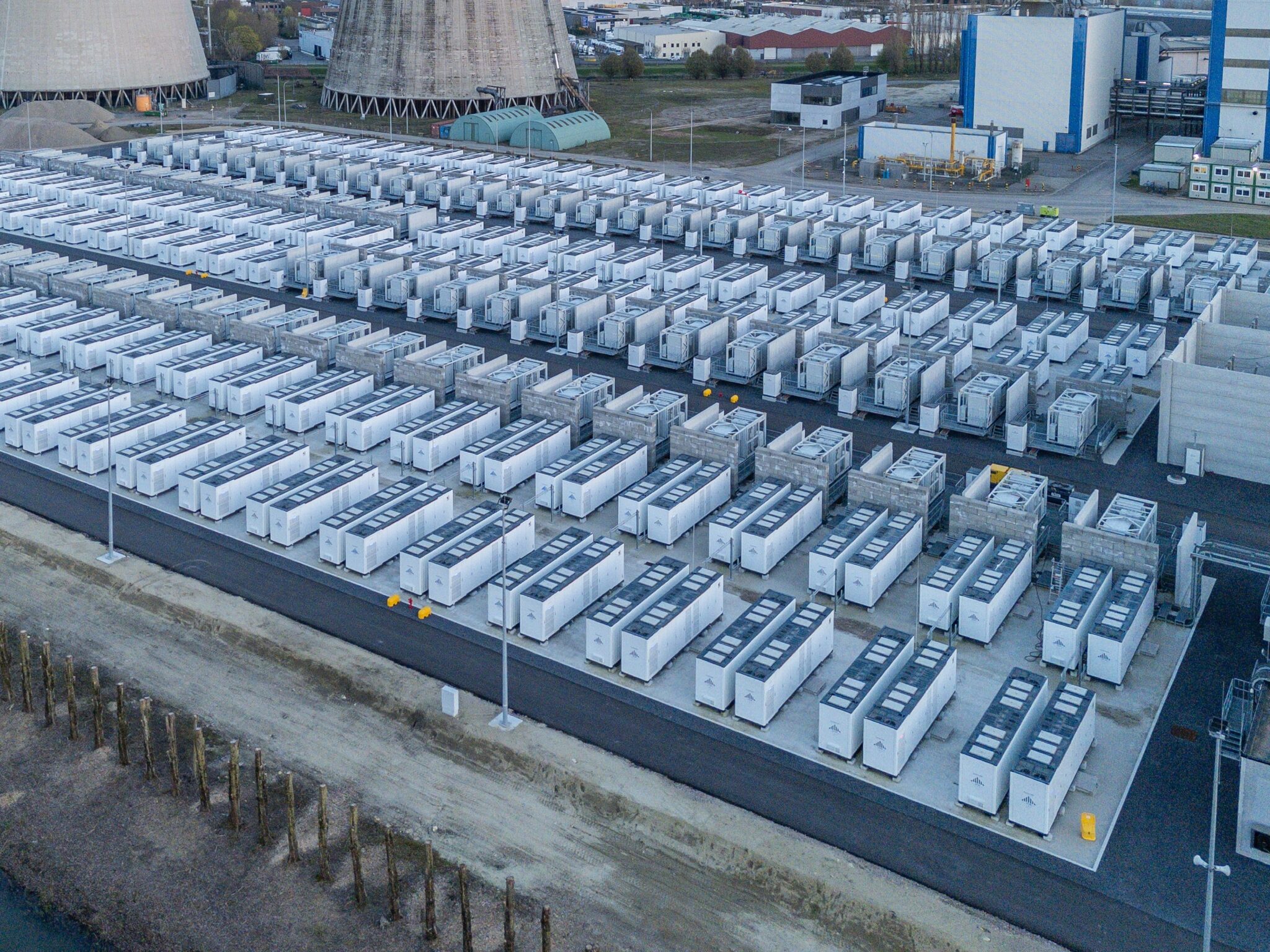
The current amendment was formulated within a short period in response to needs raised in the field, with the aim of removing barriers and accelerating the advancement of storage facilities. At the same time, the new regulations seek to preserve the environmental, landscape and safety considerations involved in their construction.
Planning Administration Director General Rafi Elmalich said energy storage is a key component in strengthening the electricity sector and expanding the ability to rely on renewable sources. He said increasing storage capacity during hours when generation is high would make it possible to use the electricity during peak demand and make better use of renewable energy. Elmalich added that the amendment is intended to remove barriers and streamline planning and licensing procedures while preserving landscape and environmental values and public safety.
National Planning and Building Council Chairman Benny Arbib said: "The amendment being advanced by the National Council is intended to adapt planning provisions to needs arising in the field, reduce barriers and enable more efficient construction of storage facilities." He added: "These facilities are a significant part of the ability to expand renewable energy generation, store electricity produced during hours when demand is low and supply it during hours when it is needed, thereby contributing to the reliability and continuity of the electricity grid."
Ministry of Energy and Infrastructure Director General Yossi Dayan said: "Energy storage is a key pillar in the electricity sector's ability to significantly increase the scale of renewable energy generation and meet the targets we have set for 2035 and beyond."