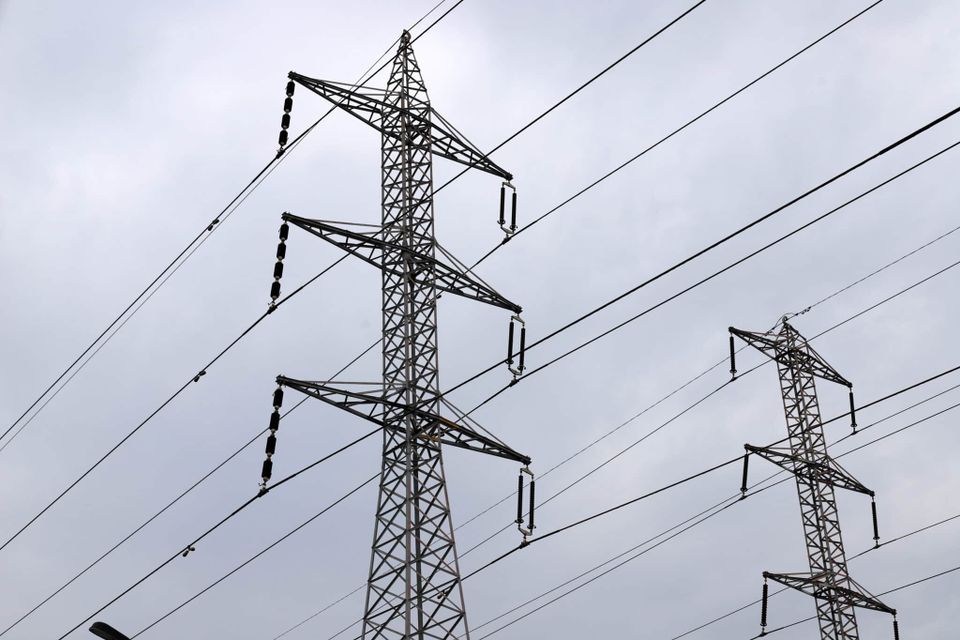
Demand for electricity in Israel is expected to grow by an average of approximately 4.2% a year through 2040, reaching approximately 150.7 billion kWh annually, compared with approximately 81.4 billion kWh in 2025. This is according to a forecast by the Private Electricity Producers Forum, prepared by BDO. According to the forecast, the required volume of electricity generation will reach approximately 102 billion kWh as early as 2030 — and in 15 years it will be nearly double its 2025 level.
The expected growth stems from several trends occurring simultaneously, including the expansion of server farms and artificial intelligence applications, the shift to electric transportation, population growth and rising living standards. Electricity consumption by desalination facilities and the water sector is also expected to increase.

Server Farms and Artificial Intelligence Take Center Stage
Server farms are expected to be one of the main drivers of growth in electricity demand. According to the forecast, their electricity consumption in Israel will rise from approximately 800 million kWh in 2025 to approximately 7 billion kWh in 2030 and approximately 18 billion kWh in 2040.
The capacity required to operate server farms is also expected to grow: from approximately 2.1 gigawatts in 2030 to approximately 3 gigawatts in 2035 and approximately 4.1 gigawatts in 2040.
The trend is not unique to Israel. Worldwide, the capacity required for server farms is expected to rise from approximately 82 gigawatts in 2025 to approximately 219 gigawatts in 2030. Artificial intelligence applications’ share of server farms’ electricity demand is expected to reach approximately 71% in 2030, compared with approximately 54% in 2025.
Transportation Will Become a Major Electricity Consumer
The shift to electric transportation is also expected to increase demand significantly. Electricity consumption by the transportation sectors is expected to rise from approximately 1.5 billion kWh in 2025 to approximately 5 billion kWh in 2030 and approximately 17.1 billion kWh in 2040. Accordingly, transportation’s share of electricity consumption in the economy is expected to grow from approximately 2% in 2025 to approximately 5% in 2030 and approximately 12% in 2040.
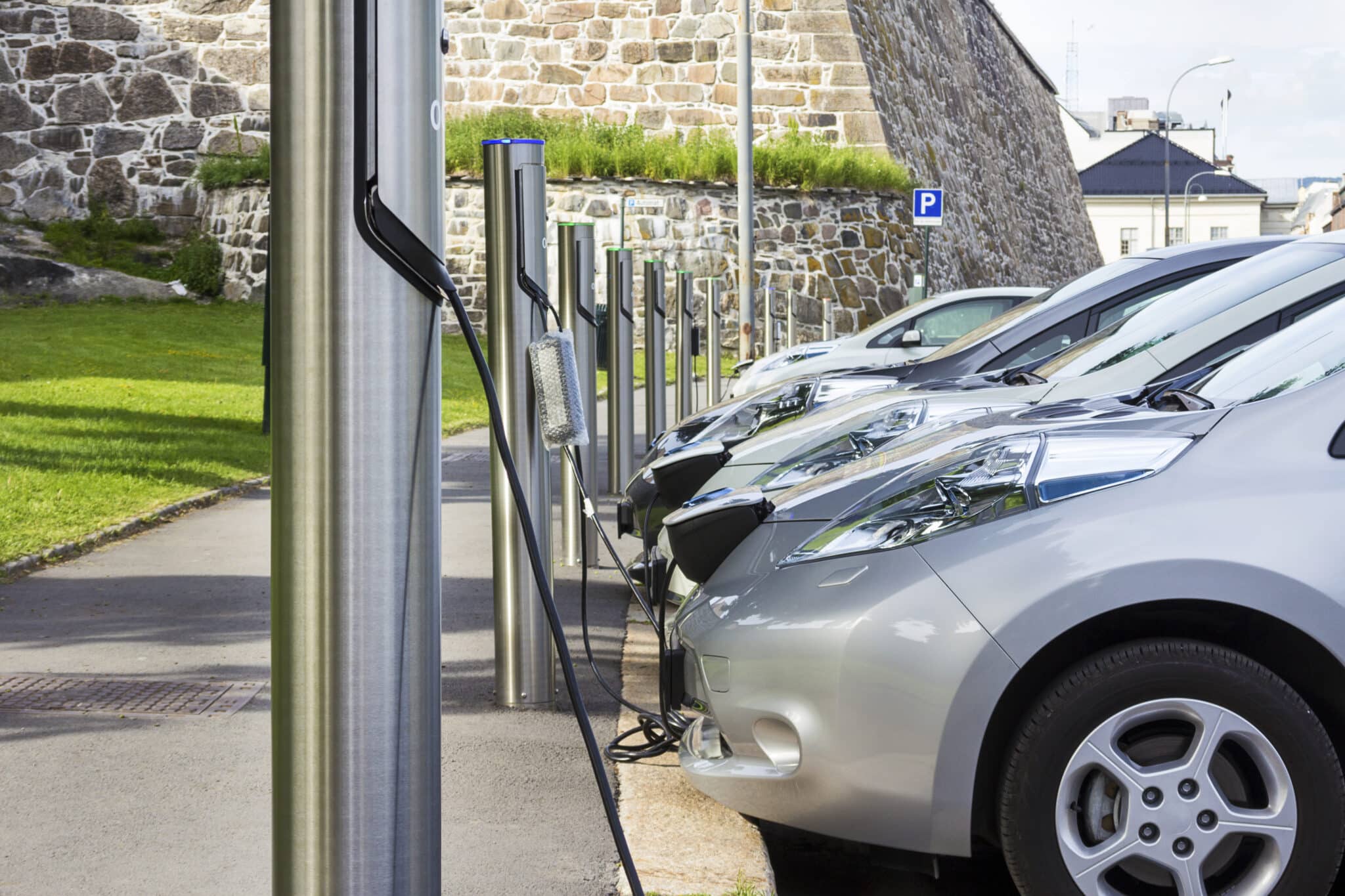
The forum, headed by Keren Barak, estimates that by 2035, more than half of Israel’s private vehicle fleet will be electric or plug-in hybrid. Electrification is also expected to expand to public transportation and freight transport: According to the forecast, by 2040, approximately 70% of the bus fleet and approximately 20% of the truck fleet will be electric.
The Water Sector and Households Will Also Increase Consumption
Electricity consumption by desalination facilities and the water sector is expected to grow from approximately 4.8 billion kWh in 2025 to approximately 5.5 billion kWh in 2030 and approximately 7.8 billion kWh in 2040. The increase is expected to reflect growing demand for water and the expansion of desalination operations.
At the same time, baseline electricity demand from households, commerce, the public sector, industry and agriculture is expected to rise from approximately 61.8 billion kWh in 2025 to approximately 68.9 billion kWh in 2030 and approximately 84.3 billion kWh in 2040.
According to BDO’s analysis, the increase in consumption will not be driven solely by population growth. Israel’s per capita energy consumption is low relative to its per capita GDP compared with the international trend, and there are disparities in the use of electrical appliances among different income groups. Rising living standards could narrow the disparities and contribute to continued growth in demand.

Gap With the Development Plan Expected to Widen
Alongside the increase in annual consumption, the forecast points to a growing gap between expected peak winter demand and the forecast in the development plan of Noga, the electricity system operator.
According to the forum, peak winter demand is expected to reach approximately 19.3 gigawatts in 2030, compared with approximately 18.1 gigawatts in the development plan — a gap of approximately 1.2 gigawatts. In 2035, the gap is expected to grow to approximately 2.8 gigawatts, and in 2040 to approximately 3.4 gigawatts.
That year, peak winter demand is expected to reach approximately 27.6 gigawatts, compared with approximately 15 gigawatts in 2025. The figures underscore the need to prepare both for an increase in the amount of electricity required throughout the year and to ensure sufficient generation capacity during peak demand hours.
The Private Electricity Producers Forum said: “Israel’s electricity sector is at a turning point. Electricity is replacing other energy sources in transportation and other fields, while server farms and artificial intelligence applications are creating new demand. Israel must prepare for this change today, both to meet the economy’s needs and to ensure a reliable and readily available electricity supply for the technology companies it seeks to attract here. Private producers, which currently generate approximately 60% of the electricity in the economy, have the knowledge and ability to invest and expand generation, but advancing these investments requires clear policy, long-term certainty and the removal of barriers. The state must allow competition to work and create the conditions that will ensure the development of the electricity sector keeps pace with the growth in demand.”