

Breaking

Labor Force Participation and Employment Rise Alongside Unemployment

According to the Central Bureau of Statistics (CBS), employed people accounted for 60.3% of the population • Unemployment rose to 3.0%, while the share of men absent for reserve duty fell to 7.4%

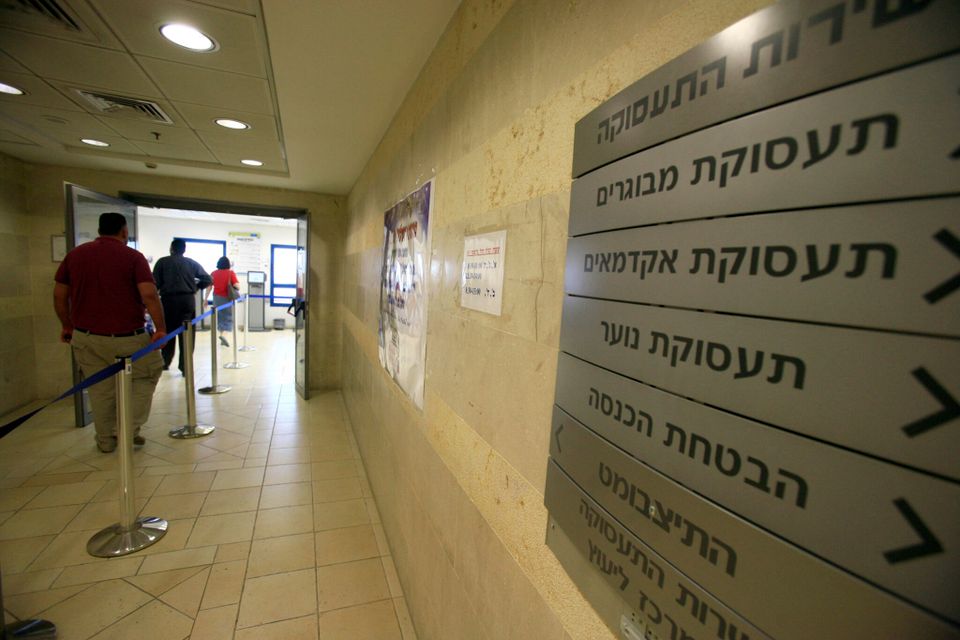
Employment Service office in Jerusalem

Seasonally adjusted data for September show that the labor force participation rate among people ages 15 and older rose to 62.2%, compared with 61.8% in August.

Job interview, illustration
Job interview, illustration | Photo: Shutterstock

At the same time, the employment rate posted a slight increase, reaching 60.3% compared with 60.0% in the previous month. However, the share of unemployed people in the labor force rose from 2.8% in August to 3.0% in September.

The Trend According to the Original Data

According to the original data for September, the unemployment rate stood at 3.2%, representing about 143.8 thousand people, compared with 2.9% (about 131.0 thousand) in the previous month.

The original labor force participation rate stood at 62.5%, and the employment rate reached 60.6%.

Employment
Employment, illustration | Photo: Shutterstock

When the definition of unemployed also includes people temporarily absent from work for economic reasons, discouraged job seekers and people who stopped working in the past 2 years because of dismissal or the closure of their workplace, the expanded sample reaches 4.4% of the labor force (about 203.8 thousand people), compared with 3.9% in August.

Decline in Absence for Reserve Duty

An examination of the reasons for temporary absence from work throughout the entire week showed a decline in the share of people serving in the reserves.
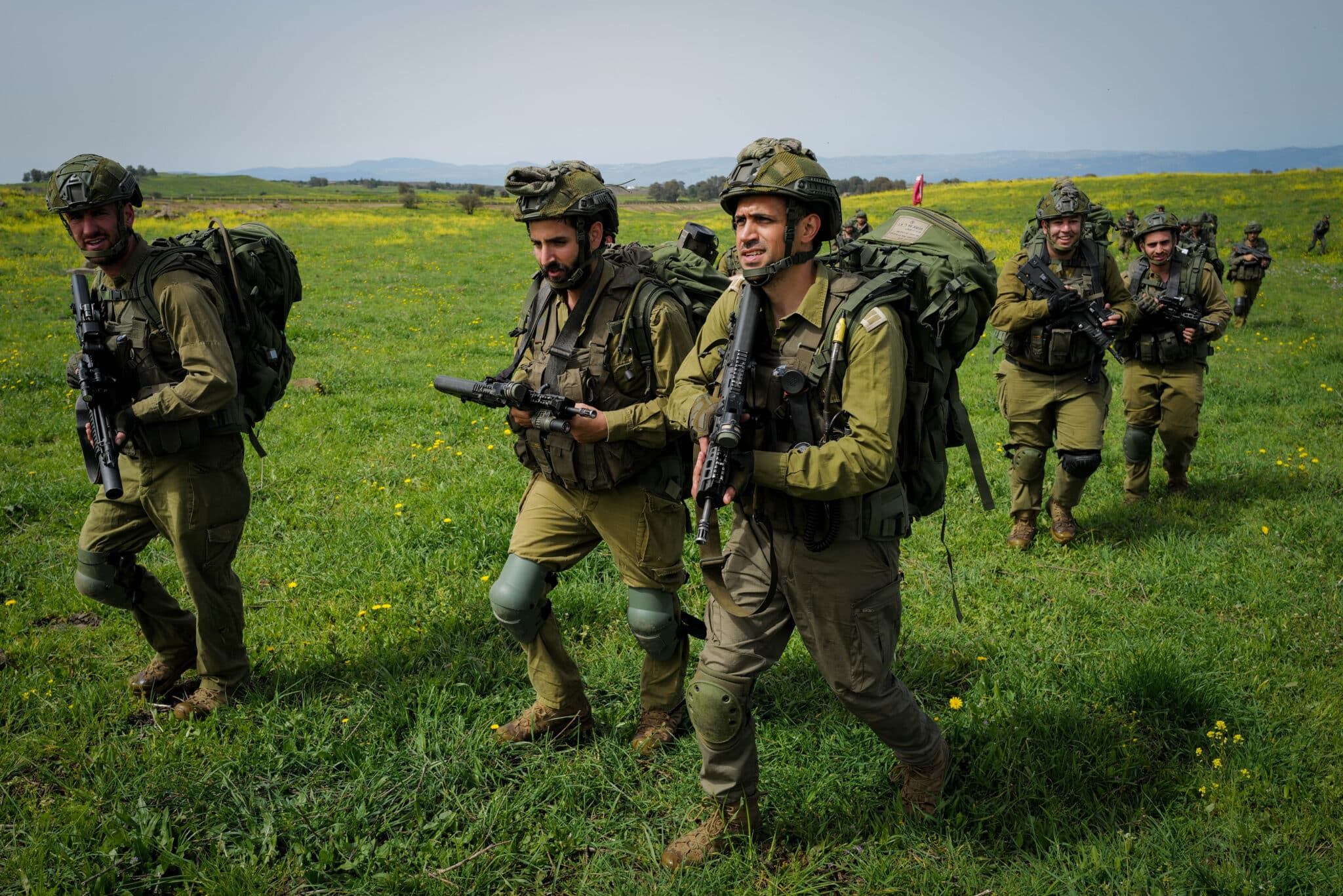
Reserve soldiers
Reserve soldiers | Photo: Michael Giladi/Flash90

The share of those absent because of reserve duty fell to 3.0% in September from 3.6% in August. Among men in particular, there was a significant decline in the rate of absence because of reserve duty, from 11.0% in August to 7.4% in September. By contrast, the share of those absent for economic reasons posted a slight increase to 2.6%.

Data Collection

The Central Bureau of Statistics (CBS) labor force survey for September covered about 16,200 people ages 15 and older, with a response rate of 66.2%.

Because of the high volatility and changes in routine during the Jewish holidays, a special adjustment factor was applied to balance the distribution of respondents across the weeks.

Israel's economy, Tel Aviv
Israel's economy, Tel Aviv | Photo: Shutterstock

In addition, beginning in 2026, the survey data are based on estimates from the 2022 Population Census and updated definitions referring only to Israelis.


Key takeaways

  • Seasonally adjusted labor force participation among people ages 15 and older rose to 62.2% in September from 61.8% in August.
  • The employment rate increased slightly to 60.3% in September from 60.0% in August.
  • The share of unemployed people in the labor force rose to 3.0% in September from 2.8% in August.
  • In the original data, the unemployment rate was 3.2%, or about 143.8 thousand people, compared with 2.9% or about 131.0 thousand in the prior month.
  • The share of people absent from work because of reserve duty fell to 3.0% in September from 3.6% in August, and among men it dropped from 11.0% to 7.4%.

Questions and answers

What was Israel’s labor force participation rate in September?
According to seasonally adjusted data, the labor force participation rate for people ages 15 and older rose to 62.2% in September, up from 61.8% in August.
How did unemployment change in September?
The share of unemployed people in the labor force rose to 3.0% in September from 2.8% in August. In the original data, the unemployment rate stood at 3.2%, about 143.8 thousand people.
What happened to absence from work because of reserve duty?
The share of people absent because of reserve duty declined to 3.0% in September from 3.6% in August. Among men, the rate fell from 11.0% to 7.4%.

Share this story

About the writer

Shai Nogai

Writes for TV10, Israel’s economic channel. This story was translated from the original Hebrew.

More stories by Shai Nogai

More for you






