
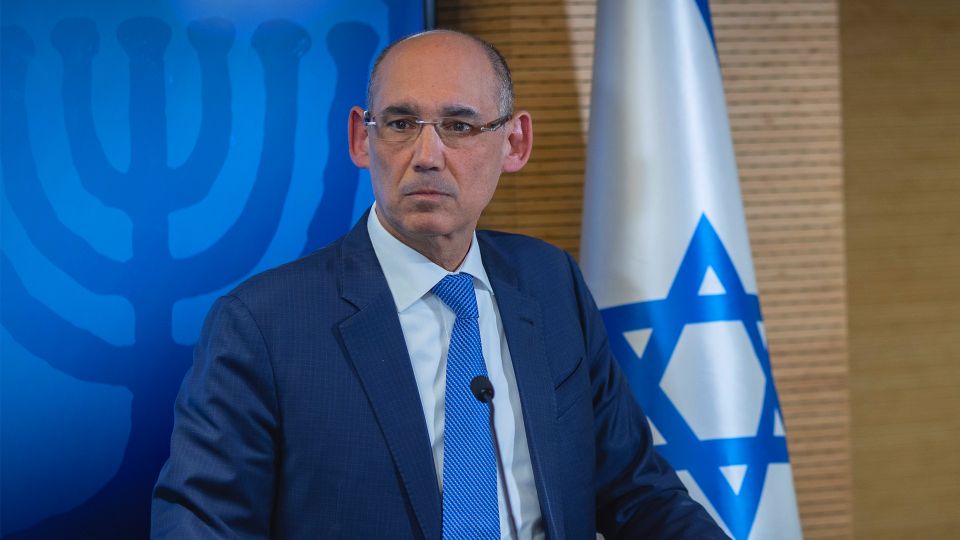
The Bank of Israel Governor’s decision today (Wednesday) to leave the interest rate unchanged at 3.25% is drawing reactions from figures in the financial market and business sector. While some believe the interest rate could have been cut given moderating inflation, others emphasize the need for caution.
Dubi Amitai, chairman of the Presidium of the Business Sector, described the decision as “a missed opportunity.” He said, “The Bank of Israel Governor’s decision to leave the interest rate unchanged is a missed opportunity to ease the burden on businesses and households and give a boost to economic growth.”
Amitai added that the high interest rate weighs on business owners and makes investment and expansion more difficult, while also hurting households contending with high loan repayments. He said, “With the rate of price increases at just 1.6%, we believe there was room to cut the interest rate by at least a quarter of a percentage point, in a responsible and measured manner.”

Yigal Aharoni, CEO of Barak Consulting and Investments, also criticized the decision: “The decision to leave the interest rate unchanged is conservative and disappointing. At a time when inflation is moderating and the shekel is stable, the Bank of Israel is missing an opportunity to ease the burden on households and restart economic activity.”
Aharoni noted that leaving the interest rate at its current level continues to weigh on mortgage repayments and businesses’ financing costs. In the real estate market, he said, the situation could actually give homebuyers bargaining power with contractors and private sellers. He recommends negotiating over the price, indexation and upgrades, and not basing repayment capacity on expectations of future interest rate cuts.

Moshe Yadgar, CEO of Captain Credit, addressed the interest rate’s impact on household credit costs. He said, “Even when the interest rate in the economy remains unchanged, it is important for every consumer to know their credit rating, review all their financial obligations and the interest rates they actually pay, and compare offers from different financial institutions.”
Yadgar added that examining the possibility of refinancing loans and mortgages or consolidating obligations could help reduce financing costs, even without another interest rate cut.

By contrast, Roy Kadosh, chief investment officer at Hachshara Insurance and Finance, believes the decision does not signal the end of the interest rate-cut cycle. He said the decision to leave the interest rate at 3.25% was expected, even though the September index surprised to the downside and annual inflation, he said, stands at 1.6% - within the target range and below its midpoint.
Kadosh noted that alongside the inflation data, the decision also reflects caution against the backdrop of the timing of the elections and rising yields in the U.S., which narrow the Bank of Israel’s room to maneuver. In his assessment, this was a tactical decision and not necessarily the end of the interest rate-cut process.