
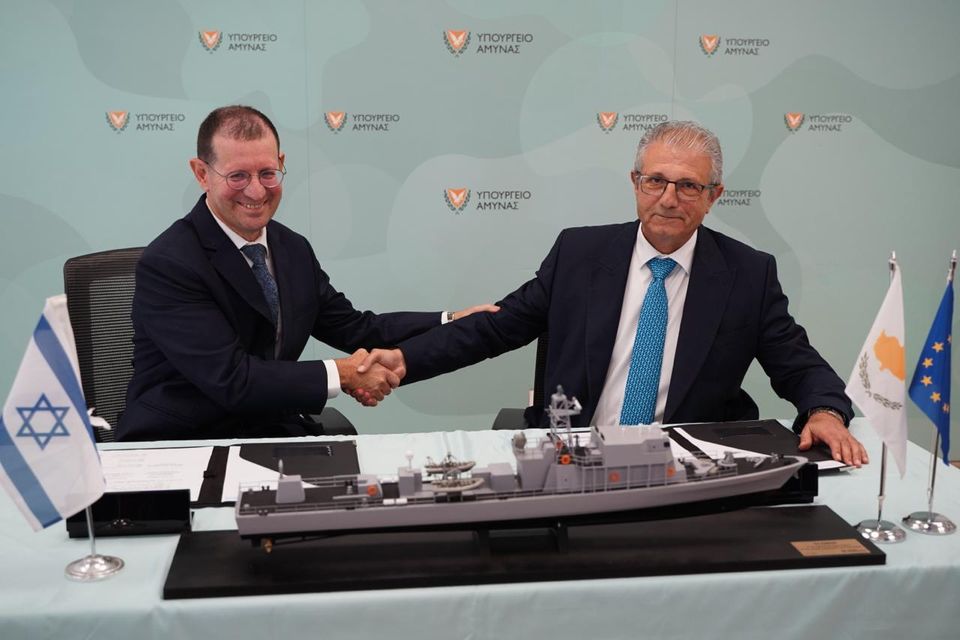
The Israeli Ministry of Defense and the Ministry of Defense of the Republic of Cyprus signed a significant defense export agreement today (Monday) at an official ceremony held in Cyprus.
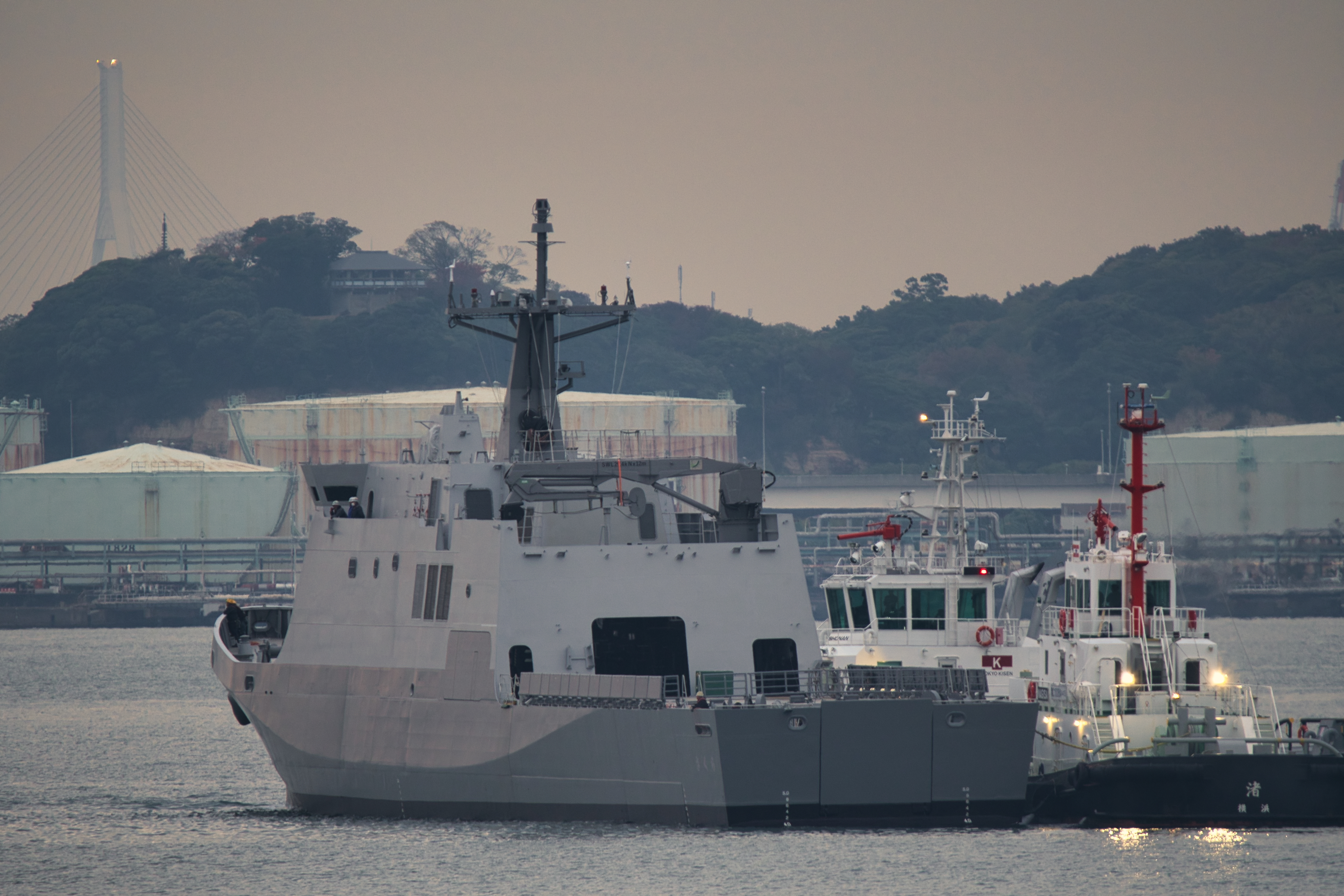
Under the deal, led by the International Defense Cooperation Directorate (SIBAT) and the Cypriot Armaments and Defense Capabilities Development Directorate, Israel will supply the neighboring country with an advanced OPV patrol vessel.
The agreement was signed by Israeli Ministry of Defense Director General Maj. Gen. (res.) Amir Baram and his Cypriot counterpart, Stelios Kontouris, acting permanent secretary of the local Ministry of Defense.
A growth engine for Israel Shipyards and Rafael
The new agreement represents another commercial achievement for Israel's defense industries.
The project will be carried out through cooperation between Israel Shipyards, which will manufacture the vessel, and Rafael, which will supply and integrate a wide range of naval systems and advanced combat systems aboard it.

In addition to construction of the new vessel, the contract also includes a comprehensive upgrade of the systems aboard the Cypriot Navy's existing patrol vessel, the IOANNIDES, which was also previously built by Israel Shipyards.
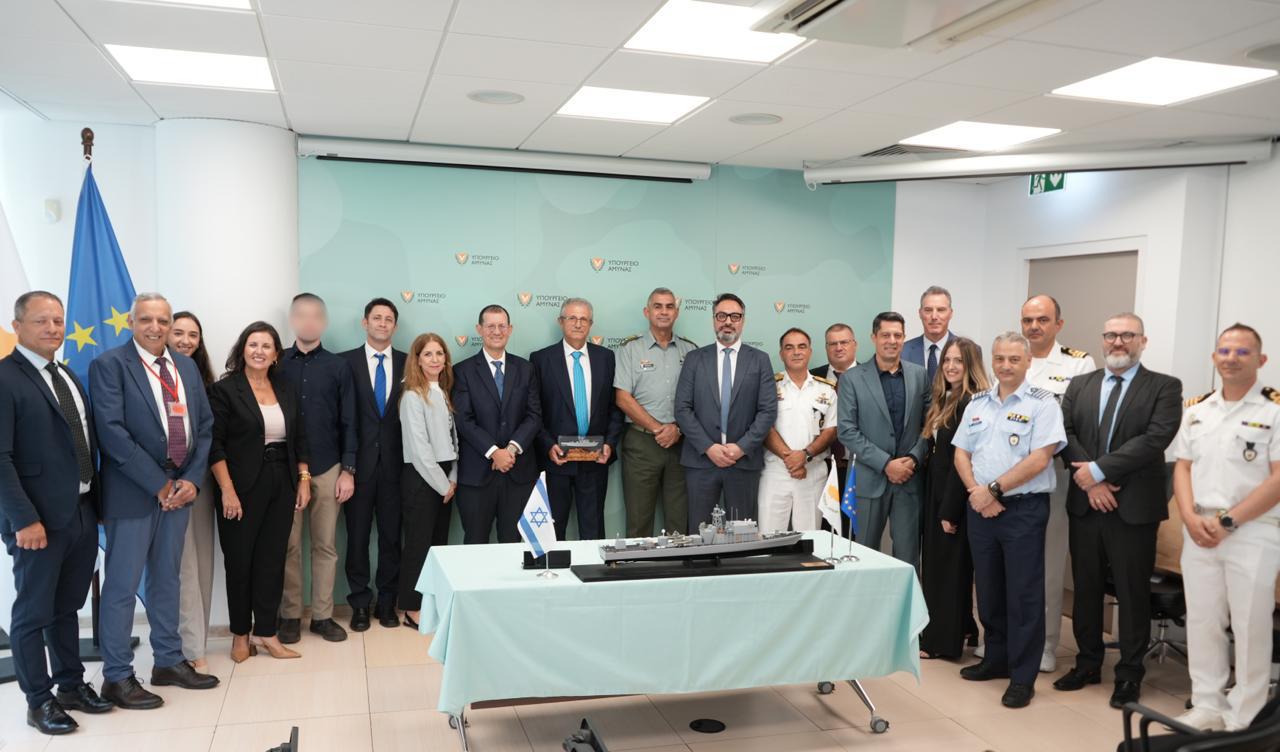
Those attending the signing ceremony included Israeli Ambassador to Cyprus Shuli Davidovich, SIBAT Director Brig. Gen. (res.) Yair Kulas, Israel Shipyards CEO Eitan Zucker and Rafael's head of the Naval Combat Systems Directorate, Ran Tavor, alongside other senior officials from both countries.
Strengthening the strategic and maritime alliance in the region
Beyond its financial and industrial significance, the move represents another component in strengthening the diplomatic and defense ties between Jerusalem and Nicosia.
The new patrol vessel, together with the upgraded vessel, is intended to significantly strengthen the operational capabilities of the Cypriot Navy Command, including enhanced maritime surveillance and monitoring, expanded search-and-rescue missions and responses to a range of security threats in the eastern Mediterranean basin.
The deal underscores the two countries' mutual commitment to maintaining regional stability and safeguarding shipping and trade routes.