
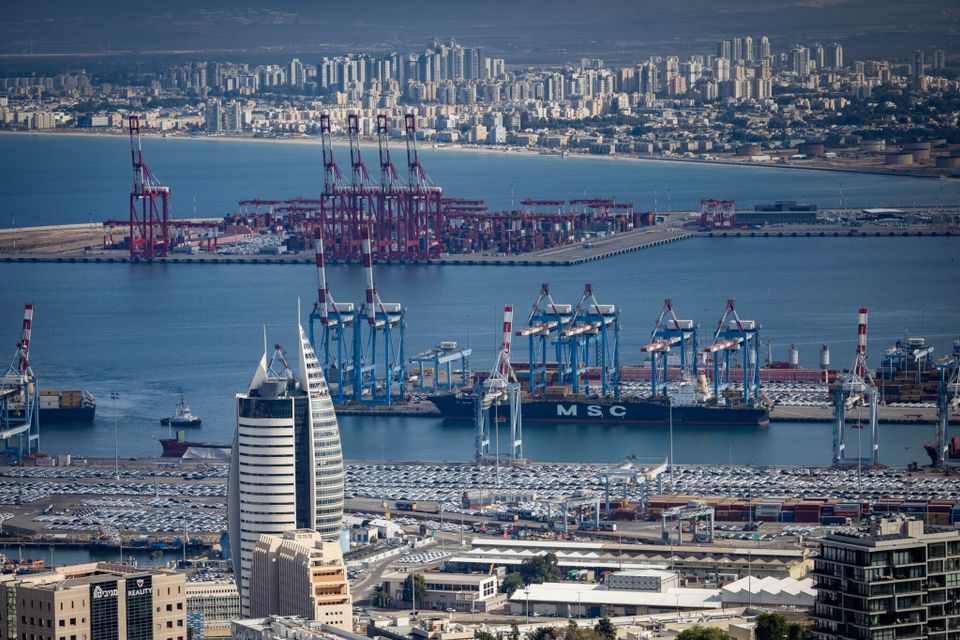
Israel Competition Authority is taking a stand against the powerful players in the chemicals industry. The competition commissioner submitted an official opinion to Israel Ports Company (IPC), explicitly recommending that Gadot Group and Dor Chemicals be barred in advance from participating in the construction and operation of the new public chemicals terminal at Haifa Port's northern terminal.

This position was submitted under the commissioner's authority pursuant to the chapter on sectoral concentration in the Concentration Law, even before the official tender was issued.
A critical bottleneck for the Israeli economy
The new terminal in the northern part of the port is intended to replace the southern terminal, which is expected to close soon because of regulatory changes. This is an irreplaceable strategic infrastructure asset, as the new terminal is expected to operate as Israel's only universal public terminal for unloading, loading and storing chemicals imported by bulk carriers into shore tanks.
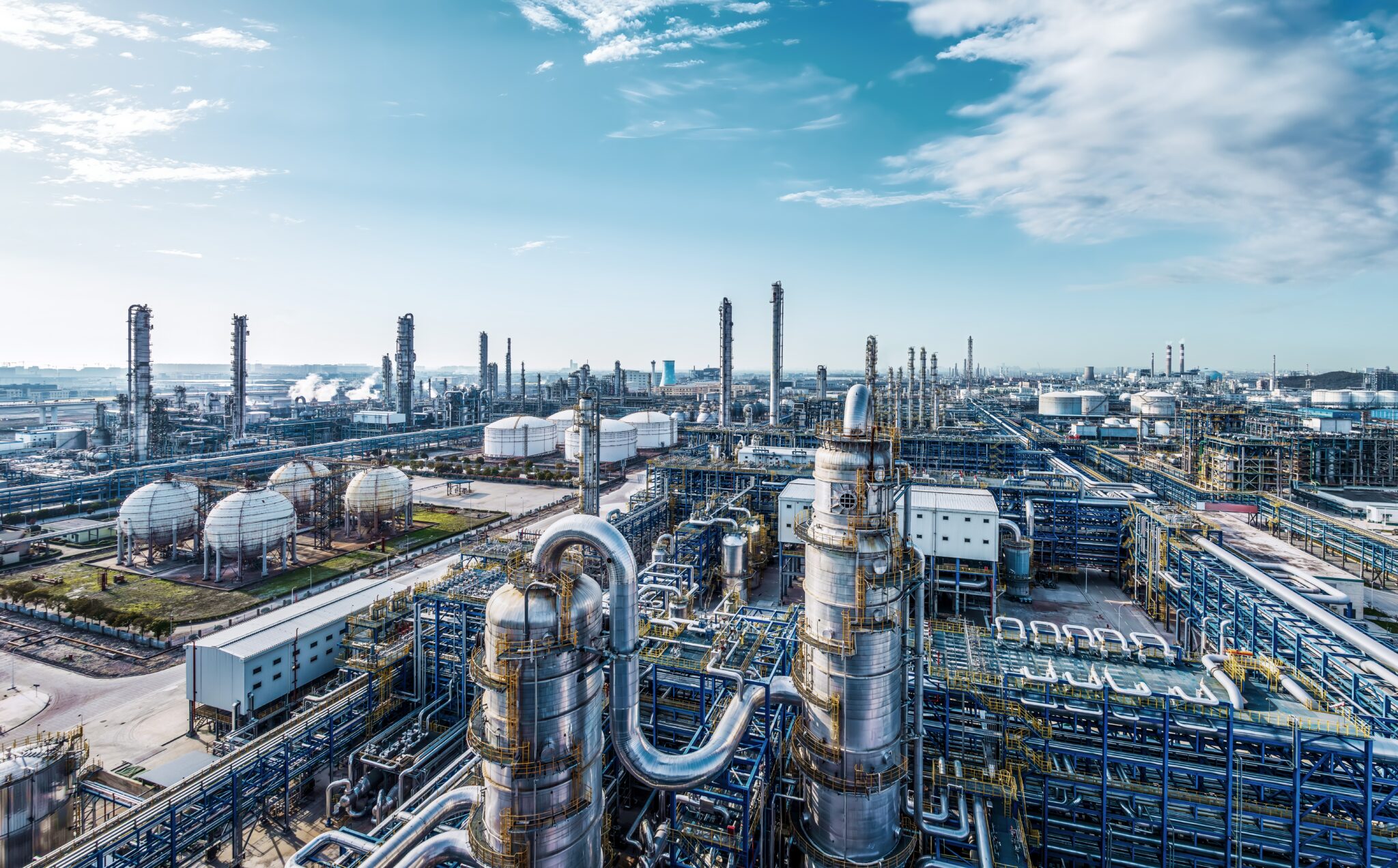
Control of an asset of this kind provides enormous influence over the supply chain for raw materials essential to a range of industries in Israel.
Concern over dual harm: horizontal and vertical
In examining the implications of the tender, Israel Competition Authority identified two main risks. From a horizontal perspective, Gadot and Dor Chemicals already own private shore tanks at the northern terminal, and awarding the concession to operate the public terminal to either of them would eliminate an existing or potential competitor in unloading and storage.
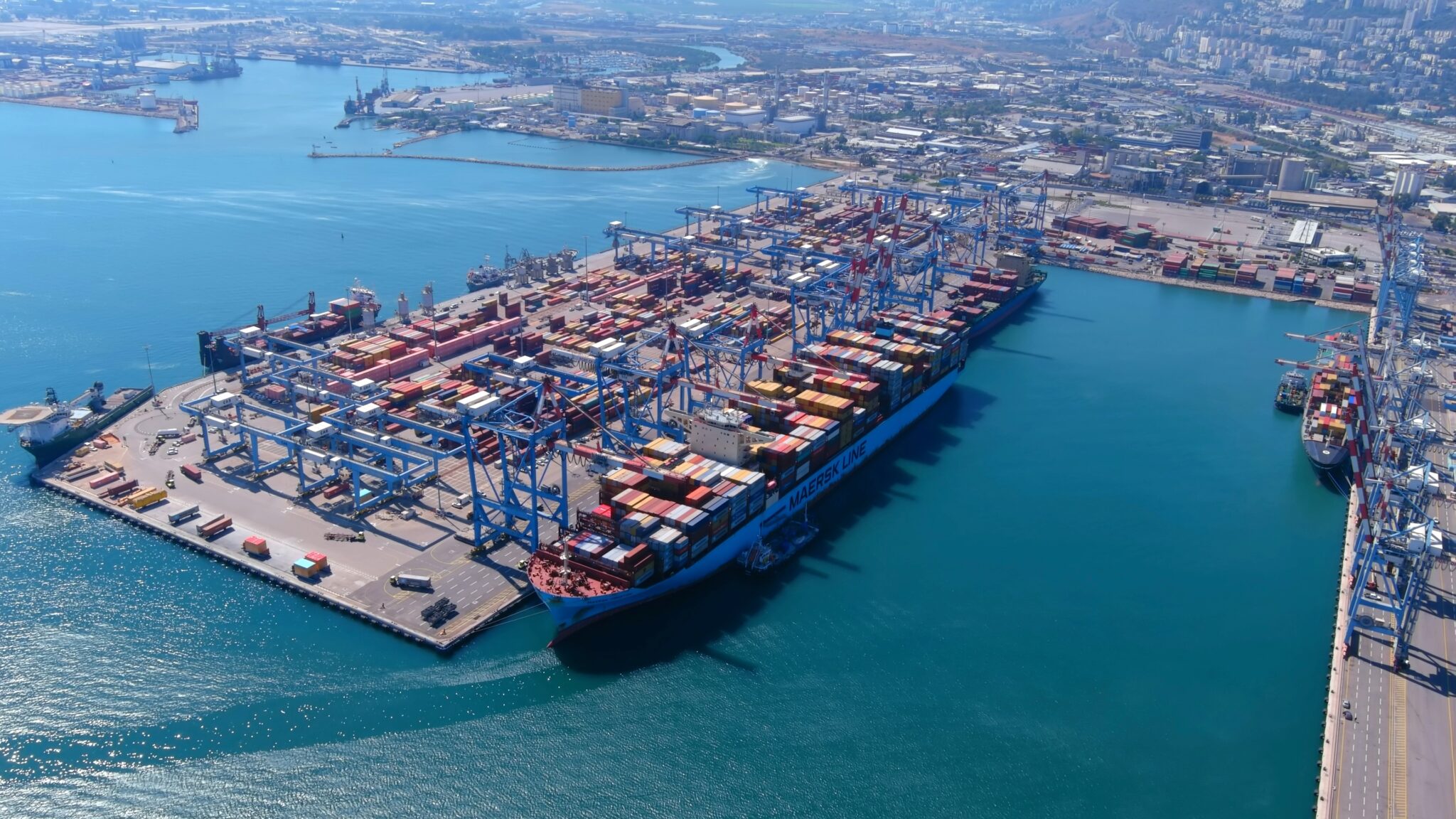
From a vertical perspective, Gadot Group is a dominant trader in the liquid chemicals market. Israel Competition Authority is concerned that control of the public terminal could be used to block competing traders or thwart independent imports by end customers, thereby strengthening or entrenching the group's market power in the trading segment.
Preference for a new player and requirement for further consultation
In light of these risks, the commissioner recommends entrusting the project to a new player that is not currently active at the northern terminal and does not trade chemicals on a significant scale.
The commissioner emphasizes that preference should be given to bidders with professional qualifications and no business ties to trade in the sector.

In addition, IPC is required to consult Israel Competition Authority again after receiving the bids in the tender, to reassess the identities of the bidders. This position follows the authority's determination in 2018 that Gadot's operation of the current southern terminal causes significant harm to competition.
Opening existing tanks to outside use
Alongside setting the tender terms, the commissioner presented a complementary measure aimed at expanding competition in the immediate term.
Currently, the companies that own private shore tanks at the northern terminal are permitted to unload materials solely for their own use.
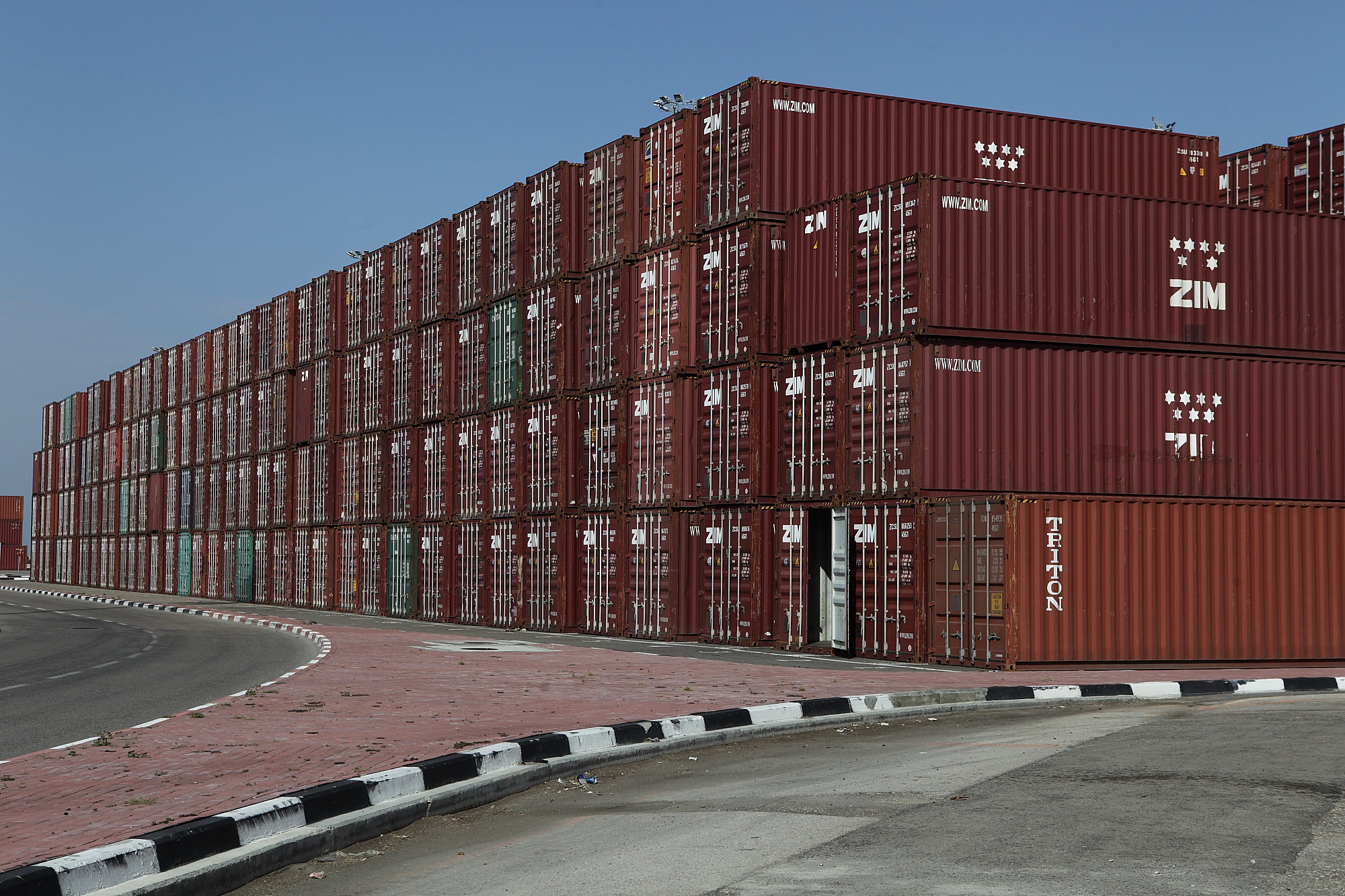
The commissioner recommends amending their authorization documents to allow them to provide unloading services to third parties as well, a step that would create additional alternatives for private importers and independent traders.