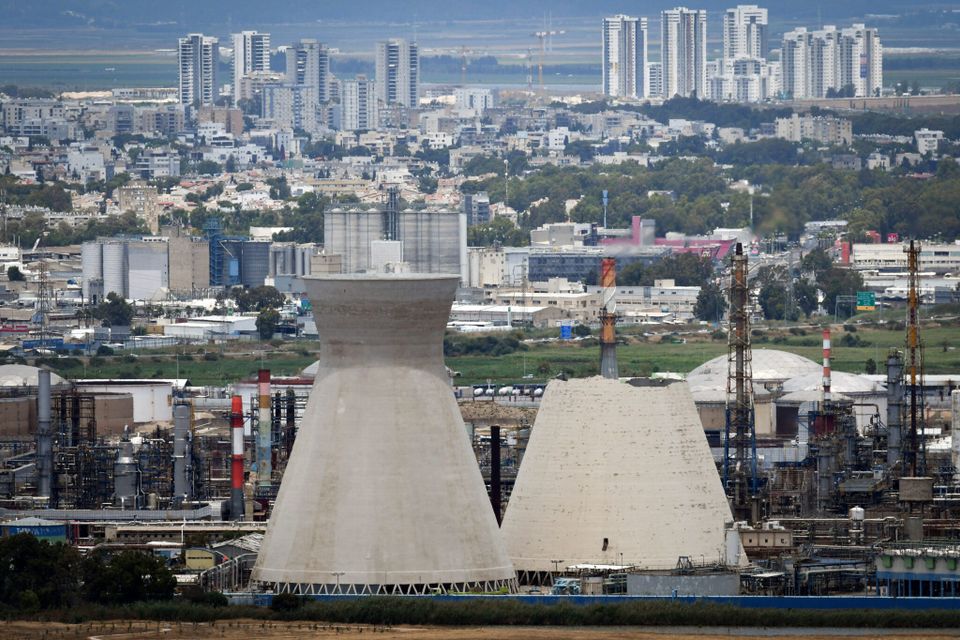
The Ministry of Energy and Infrastructure recommends relocating BAZAN from Haifa Bay and building a new refinery in southern Israel, with the aim of maintaining domestic refining capacity and strengthening Israel’s energy security.
The Fuel and Gas Administration at the Ministry of Energy and Infrastructure has formulated a strategic plan for the fuel sector through 2040, prepared by BDO. The plan examines the entire fuel supply chain and proposes measures intended to strengthen the country’s ability to cope with disruptions during routine operations and emergencies.
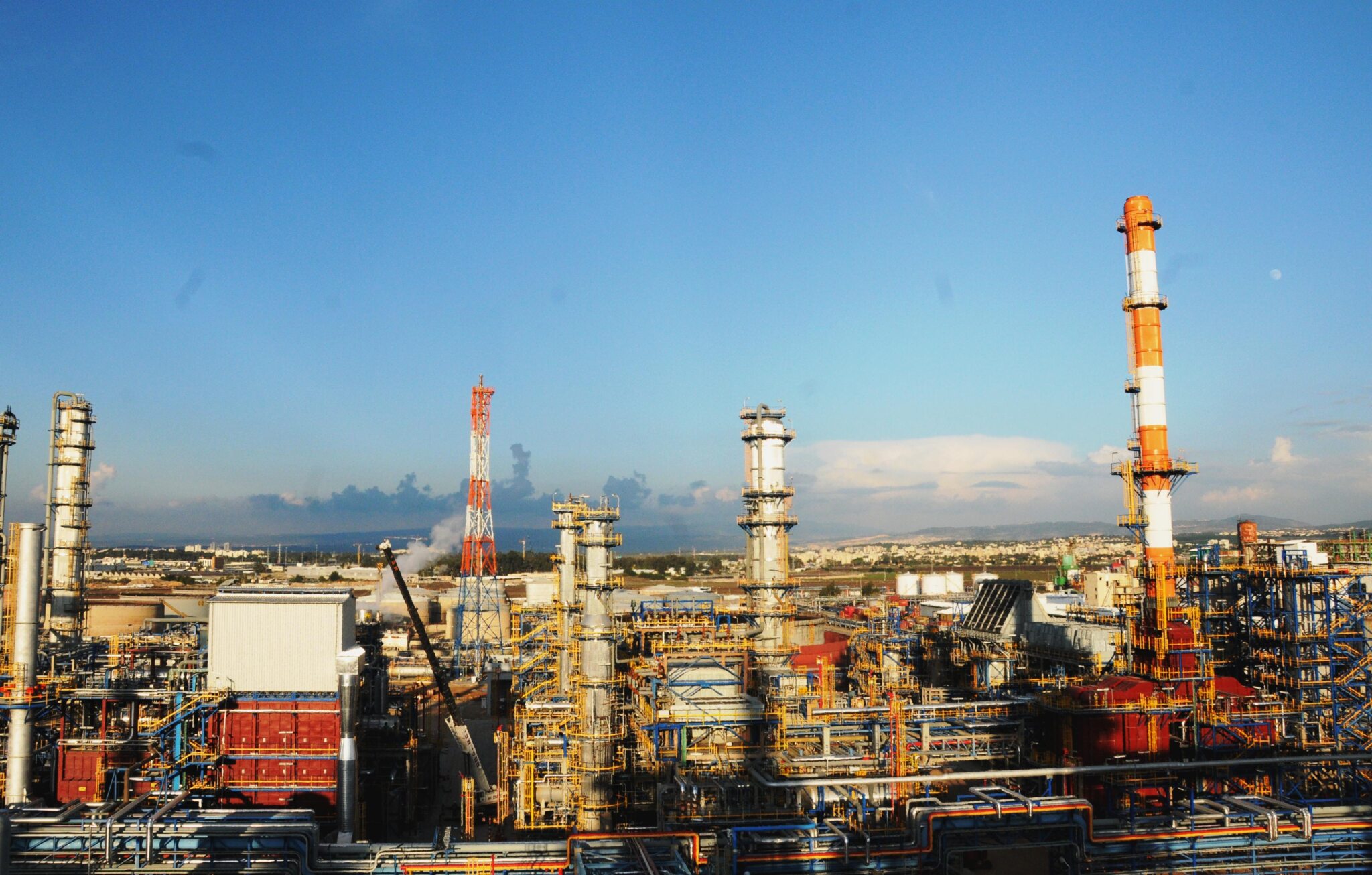
According to the study’s conclusions, relying exclusively on imports of finished fuel products could increase risks to the economy during an emergency. The ministry therefore recommends maintaining independent refining capacity in Israel.
Among the measures proposed by the ministry are building a refinery in southern Israel to replace BAZAN’s operations in Haifa, increasing emergency fuel reserves, expanding transmission and storage systems, strengthening unloading infrastructure, and developing additional entry points for fuels into Israel.
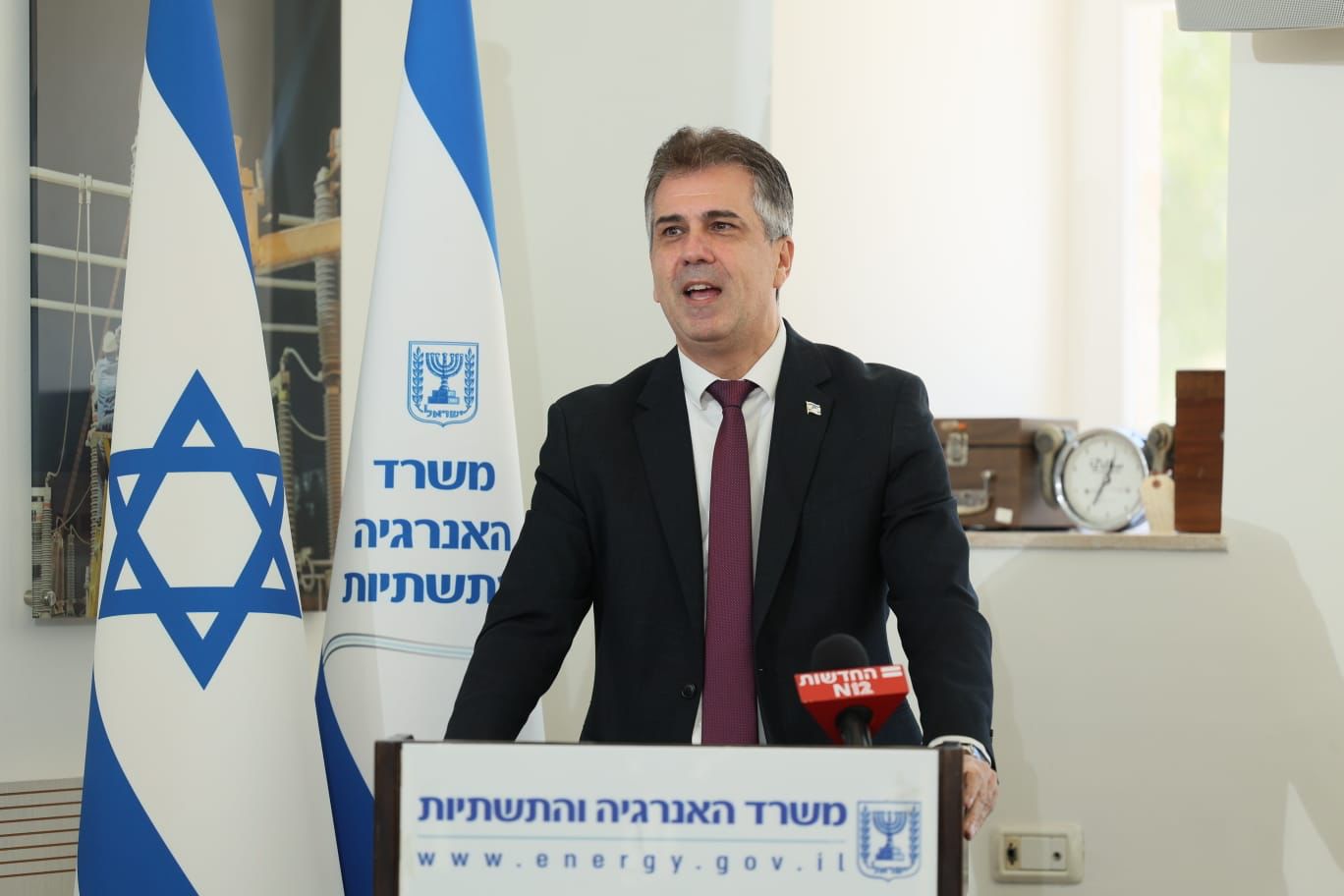
Energy and Infrastructure Minister and Cabinet member Eli Cohen said: “The energy sector functioned flawlessly throughout the entire war, and despite damage to strategic facilities, there was no shortage of electricity, water, fuel or gas. As part of the lessons learned from the war, we are preparing a plan that will ensure the strengthening of Israel’s energy security in the coming decades as well.”
The Fuel and Gas Administration’s plan is intended to set policy for the fuel sector through 2040, while increasing the number of alternatives available to Israel and reducing dependence on individual points along the supply chain.
According to the ministry, the plan is based on four main objectives: strengthening the security and redundancy of the fuel sector, maintaining reasonable prices for consumers, turning the fuel sector into an engine of economic growth, and advancing environmental goals, including removing the petrochemical industry from Haifa Bay and preparing for future fuels.
The study estimates that liquid fuels will remain a significant part of Israel’s energy sector in the coming decades, in part because of their use in transportation, aviation, industry, and defense and emergency systems, as well as their role as a backup for the electricity sector in the event of disruptions to the natural gas supply.
The study recommends retaining domestic refining capacity and combining crude oil imports with fuel production in Israel. According to the ministry, such a model would give the sector greater flexibility and reduce dependence on the supply of finished fuel products from the global market.
The Energy Ministry’s Proposed Framework
The ministry is now proposing that BAZAN be relocated from Haifa Bay and that a hybrid refinery be built in southern Israel. The new facility is also expected to be adapted to produce future fuels, including sustainable aviation fuel (SAF) and biodiesel.
The study proposes using future carbon tax revenue to finance the demolition and redevelopment of BAZAN and the construction of the new refinery. According to the estimates presented, the cost of the move is estimated at $5-6 billion, while the present value of carbon tax receipts for the state is estimated at about $9 billion.
Alongside maintaining domestic refining capacity, the plan seeks to spread risks throughout the supply chain so that damage to one piece of infrastructure does not lead to a significant disruption in the fuel supply to the economy.

The recommendations include increasing reserves in line with international standards, expanding fuel transmission systems, strengthening liquefied petroleum gas unloading and storage infrastructure, and developing additional entry points that would increase the flexibility of the fuel sector.
The framework is intended to enable Israel to continue receiving, storing, producing and transporting fuels even if a local security crisis occurs at the same time as significant disruptions to global supply.
The ministry stresses that the study provides a basis for formulating fuel sector policy for the coming years, and that the recommendations still need to be examined with the relevant government and infrastructure bodies.

Bat Sheva Azikri Abuhatzira, director of the Fuel and Gas Administration at the Ministry of Energy and Infrastructure, said: “Israel’s fuel sector is now at a significant turning point — for the first time in years, we are laying long-term strategic foundations that will enable us to plan the sector’s needs through 2040 and build in advance the resilience and redundancy required for the coming decades. The study we are publishing today is a significant step in building a stable, flexible and redundant fuel sector through 2040.”
According to her, the security and geopolitical reality has demonstrated the need for Israel, which she described as an “energy island,” to have a system with a high degree of redundancy throughout the supply chain.
The ministry notes that alongside the formulation of the plan, an examination of its practical implementation has already begun. As part of this process, an interministerial team is convening to examine the establishment of a fuel authority that would bear overall responsibility for the fuel sector and help advance the plan and strengthen its emergency preparedness.