The Houthis attacked energy facilities and cities in Saudi Arabia, injuring at least 73 people. At the same time, Iran is threatening to expand restrictions on shipping in the Gulf, while Trump claims that victory in the war will lead to a sharp drop in fuel prices.
The Houthi rebels in Yemen attacked energy facilities and cities in Saudi Arabia today (Tuesday). This is fueling fears that the war with Iran will spread to other areas and that oil prices will continue to rise.

Fire at Saudi Arabia’s Jazan refinery after a Houthi attack:
Fire at Saudi Arabia's Jazan refinery after a Houthi attack. The Energy Ministry says several southern energy sites were hit this morning. pic.twitter.com/mTWQTxpBok
— Open Source Intel (@Osint613) September 8, 2026
Today’s attacks come after Iran warned that oil and gas infrastructure in the Gulf could be hit. Following the attacks this past weekend, oil prices reached their highest level in more than six weeks.
The Saudi Energy Ministry said fires broke out at several facilities and that several people were injured. In addition, firefighting and emergency crews were dispatched to the scenes and worked to bring the fires under control. The spokesman for the Saudi-led coalition in Yemen, Col. Turki al-Maliki, wrote on X that at least 73 people were injured in attacks on four cities in the south of the country. He said: “The coalition will take all necessary operational measures to deter this terrorist militia and will firmly confront its hostile approach.”
In other words, the Saudi coalition provided an update on the number of casualties and its response to the attacks, but did not detail what steps would be taken.
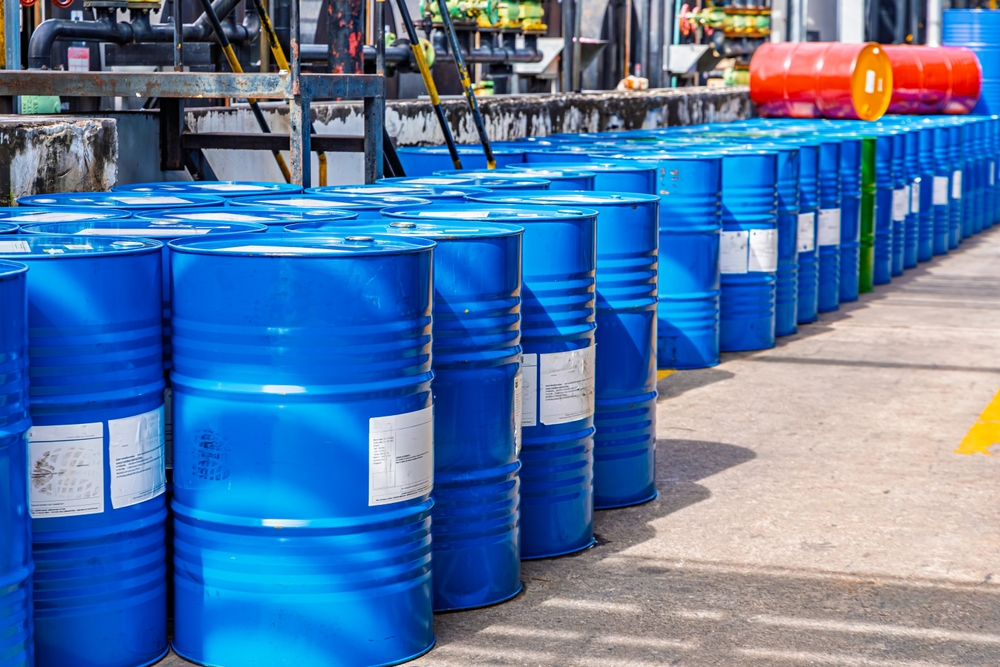
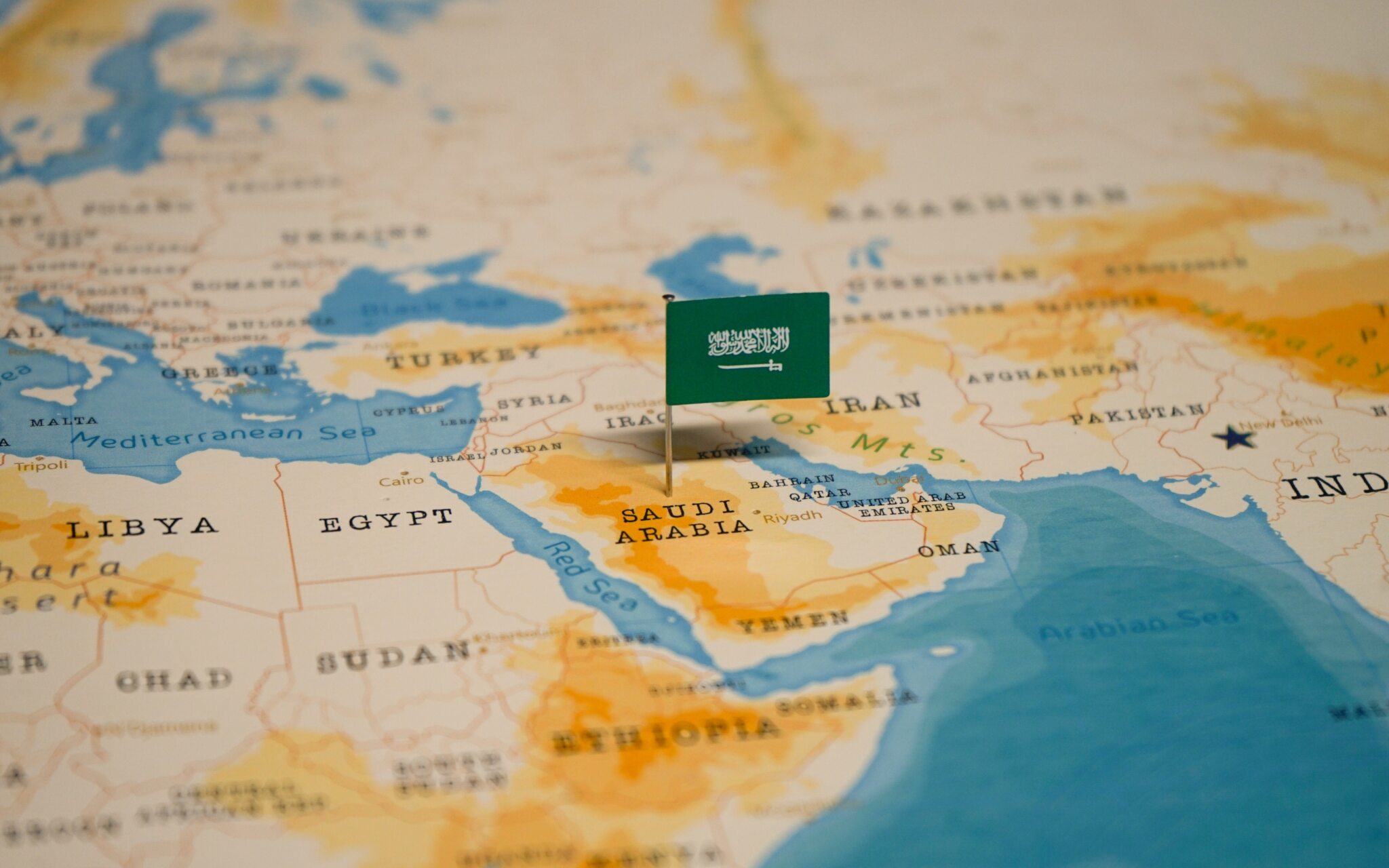
The Houthis, who control large parts of Yemen, declared a naval blockade against Saudi Arabia in July and have since also attacked Saudi ships in the Red Sea. The disruptions in the Red Sea come on top of restrictions Iran is imposing on shipping in the Strait of Hormuz, heightening fears of disruptions to the global oil and gas supply.
Moreover, cargo ship traffic through the strait slowed again this week.
The Islamic Republic announced that it would declare a new restricted maritime zone in the Gulf and a new shipping route through the Strait of Hormuz in the coming days, but it is not yet clear when the details will be published.
Mohsen Rezaei, secretary of Iran’s Supreme National Security Council, said the new restricted zone would begin at the starting point of the American blockade on Iran and extend into areas of the Gulf. He said ships entering it would be added to Iran’s sanctions list.
This means Rezaei is outlining the boundaries of the new zone and also threatening to impose sanctions on ships that enter it.
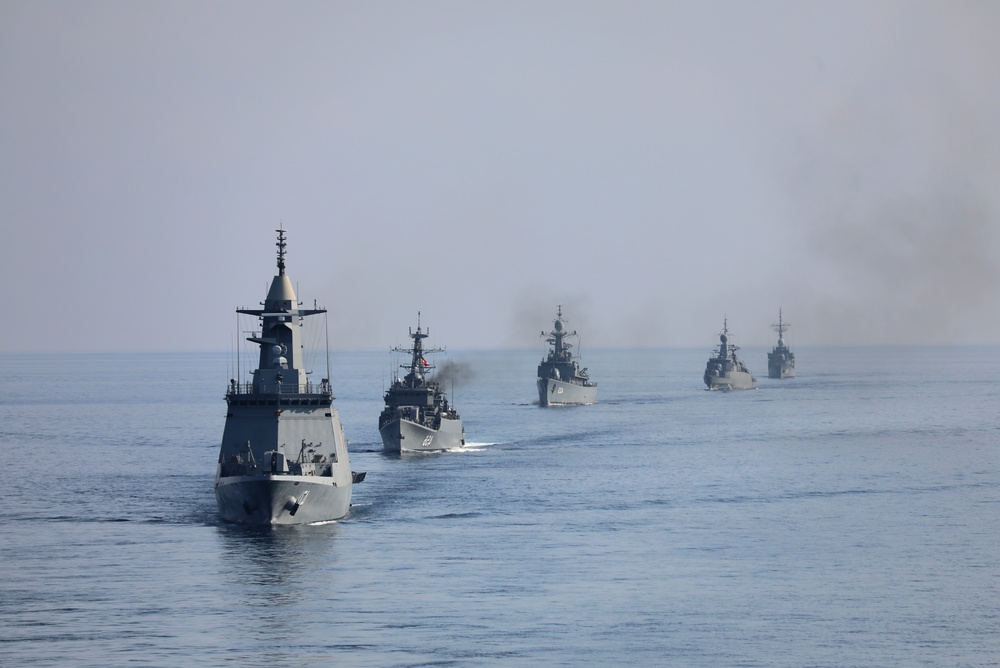
Rezaei also repeated economic and military threats against the U.S. today on X, saying American sanctions would be met with restrictions on shipping in the Gulf and a change in Iran’s policy toward American warships and bases. He said: “In recent days, Washington received a clear warning from Iran’s new missiles. Economic warfare will be met with a no-entry maritime zone across the Persian Gulf, up to the boundaries of the blockade. The operational policy toward American warships and bases has been fundamentally changed.”
Rezaei was apparently referring to the Qassem Basir ballistic missile, which, according to Iranian reports, was launched at American warships near the Strait of Hormuz. The U.S. military said its ships evaded the missile attacks.
Although the American attacks damaged Iran’s conventional military capabilities and worsened its economic situation, Tehran is still capable of threatening oil tankers in the Strait of Hormuz and attacking Gulf states that host American bases.
However, the Strait of Hormuz is a major energy transportation route through which about 20% of the world’s oil and liquefied natural gas shipments passed before the war. Its great importance to the oil market allows Iran to pressure tankers belonging to Gulf states seeking to export oil and gas.
At the same time, rising energy prices are adding to the political pressure on Trump and the Republican Party ahead of the congressional elections in November. This comes as opinion polls indicate that the war is unpopular in the U.S.|

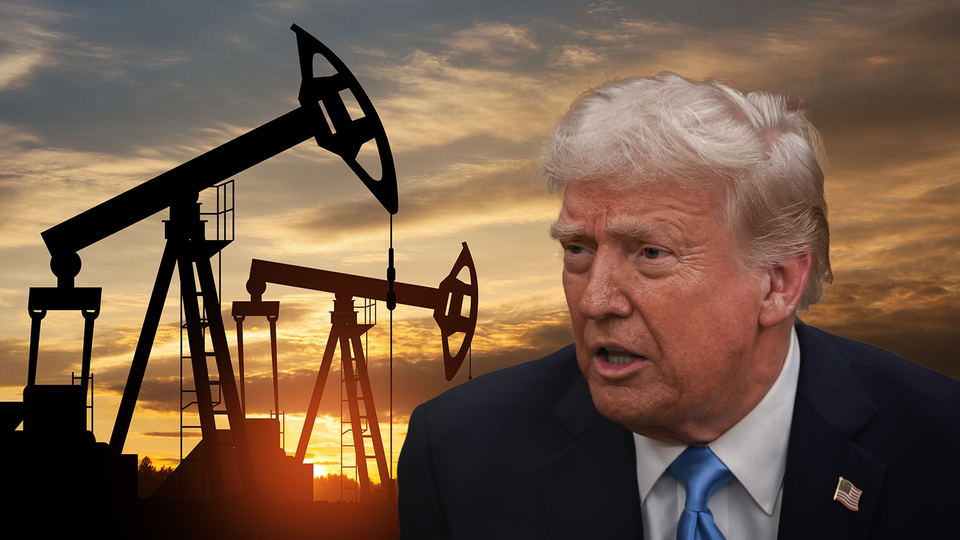
In a post on Truth Social published today, Trump claimed that victory in the war with Iran would quickly lower fuel prices in the U.S. — first to $3 per gallon and later to less than $2. He added that Iran would never obtain a nuclear weapon. He said: “Oil prices will drop sharply, like everything else that goes down (but more!), when we win the war with Iran. $3 per gallon, and eventually less than $2 per gallon. All of this will happen quickly, and Iran will never have a nuclear weapon.”